
facebook
  • ChukkiMane
  • No Comments
Indian Grey Hornbill

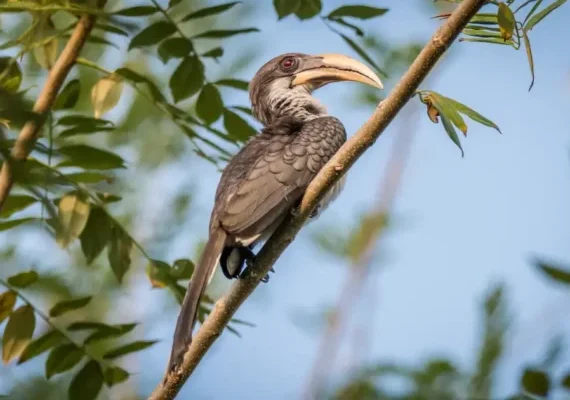
Indian Grey Hornbill at ChukkiMane

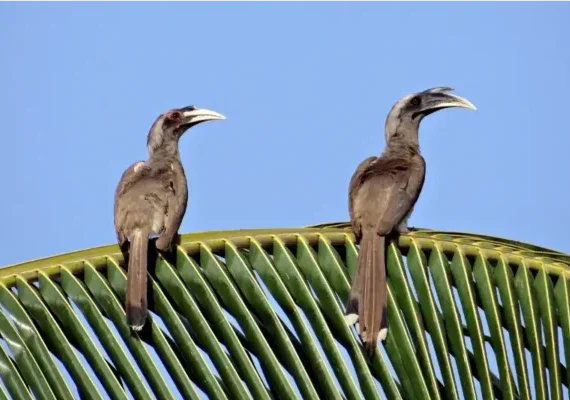
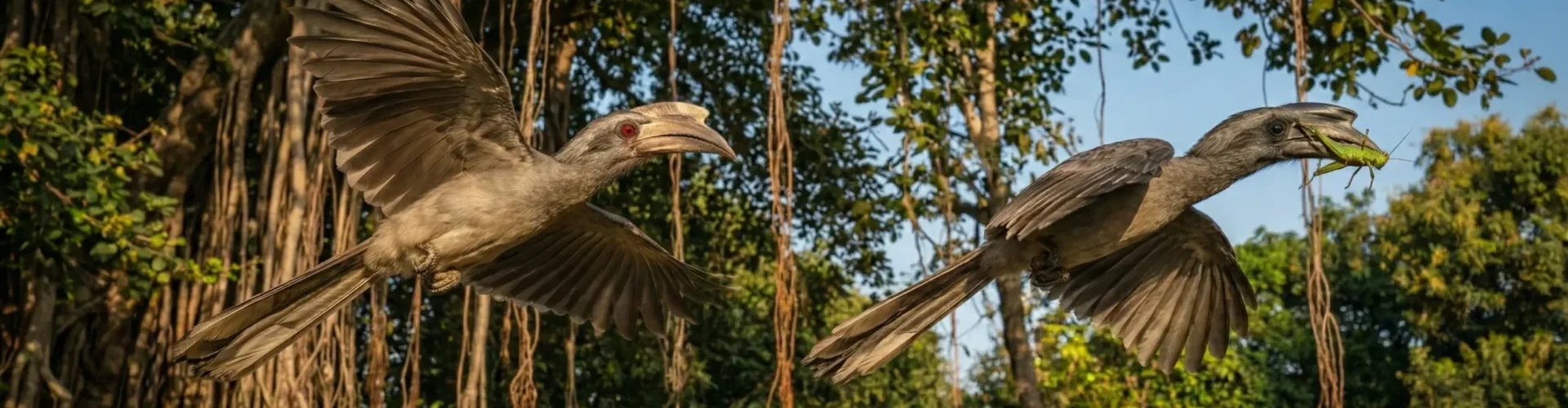
Two Grey Hornbills Flying near ChukkiMane

Indian Grey Hornbill Birdwatching Near Bangalore

ChukkiMane, Karnataka
At ChukkiMane eco-resort near Bangalore, the serenity of the Kaveri River basin landscape comes alive not only on the ground but also in the skies above. One of the most fascinating birds visitors often spot during birdwatching near Bangalore is the Indian Grey Hornbill.
With its graceful flight, distinctive call, and strong presence among the treetops, this remarkable bird adds vibrant energy to the natural rhythm of the ChukkiMane countryside. For guests exploring the region through nature trails and birdwatching experiences, the Indian Grey Hornbill often becomes one of the most memorable wildlife sightings. More than just a bird, the Indian Grey Hornbill represents the deep connection between wildlife and habitat in the Kaveri river basin ecosystem, where mature trees, open landscapes, and fertile forests create a thriving environment for diverse birdlife.

A Bird of the Kaveri Basin Landscape

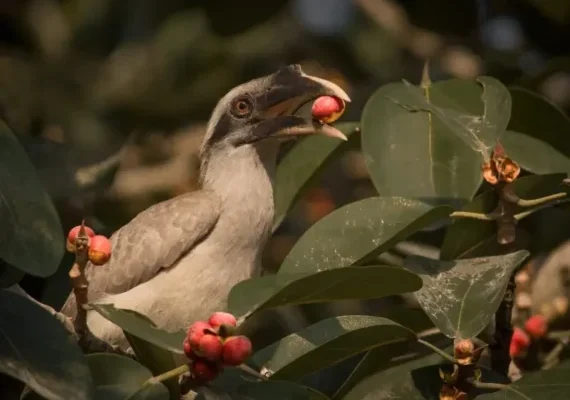
Grey Hornbill with its favourite fruit

The Indian Grey Hornbill (Ocyceros birostris) is commonly found in landscapes shaped by river basins, village groves, and woodland edges. These environments closely resemble the natural surroundings of ChukkiMane near Shivanasamudra, making it an ideal location for birdwatching in Karnataka.

These birds thrive in areas where tall native trees grow alongside open fields, providing both nesting sites and fruit-rich feeding grounds.

Around ChukkiMane, the combination of water bodies, trees, and agricultural landscapes supports abundant birdlife in the Kaveri basin, creating peaceful nature experiences that guests remember long after their visit.
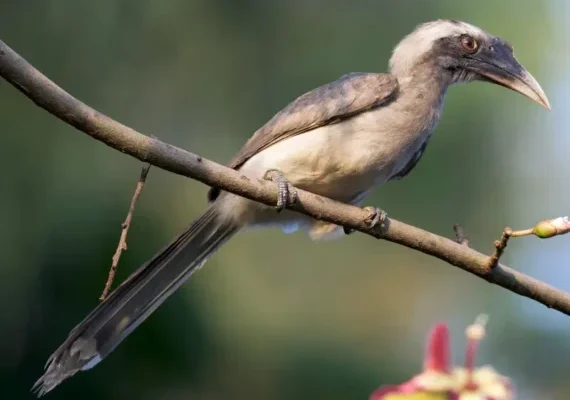
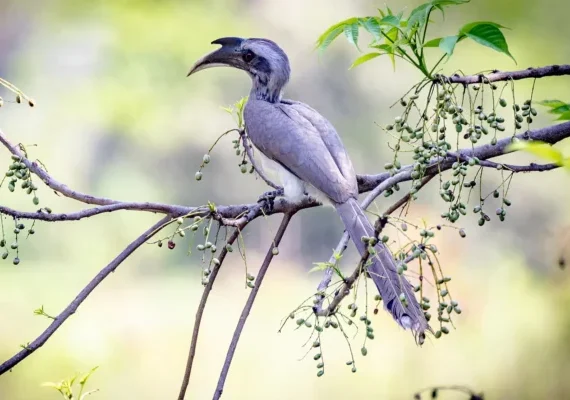
Recognizing the Indian Grey Hornbill

The Indian Grey Hornbill is visually distinctive while still blending naturally with its environment.

Key features include:

• Greyish-brown body that blends with tree canopies
• A curved bill with a small casque on top
• A long tail marked with pale bands
• Bright alert eyes that give the bird a curious expression

Its flight pattern is also unique — a series of rapid wing flaps followed by gliding movements, often seen during early morning or late afternoon birdwatching.

Its loud rhythmic call echoes across the Kaveri river landscape, often marking the beginning or close of a peaceful day in nature.

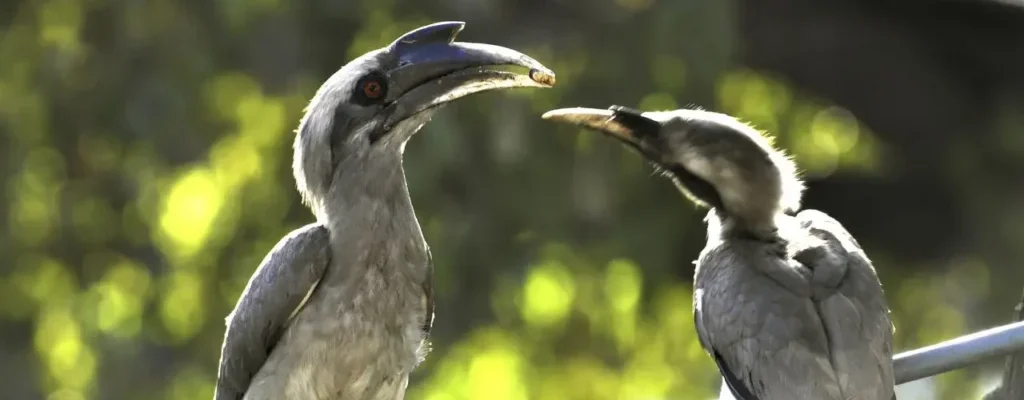
Grey Hornbill looking for feed

The Hornbill’s Life in the Tree Canopies

Indian Grey Hornbills spend most of their time in the upper tree canopy, moving gracefully among branches.

Their diet mainly consists of wild figs, berries, and seasonal fruits, along with insects and small creatures.

This feeding behavior makes hornbills extremely important for forest regeneration. As they move through large areas consuming fruit, they disperse seeds through their droppings, helping forests grow naturally.

In ecosystems like the Kaveri basin around ChukkiMane, this quiet role helps maintain biodiversity and ecological balance.

Indian Grey Hornbill
Indian grey hornbill

Hornbill Highlights at ChukkiMane

River Basin Birdlife

The Indian Grey Hornbill thrives in the Kaveri River basin, where fertile landscapes, tall trees, and open skies support a rich diversity of birds.

Life in the Canopy

Spending most of its time among treetops, the hornbill feeds on fruits and plays a key role in seed dispersal and forest regeneration.

Memorable Sightings

Guests often spot Indian Grey Hornbills during birdwatching near Bangalore, gliding across the landscape at dawn or dusk while their calls echo through the countryside.

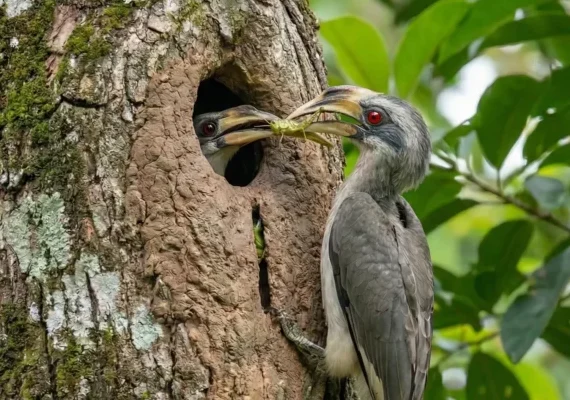
A Unique Nesting Ritual

The breeding behavior of the Indian Grey Hornbill is one of the most fascinating aspects of the species.

During breeding season:

• The female selects a suitable tree cavity for nesting
• She seals herself inside using mud, fruit pulp, and organic material
• Only a small slit remains through which the male feeds her

During this period, the female incubates the eggs and later cares for the chicks while remaining inside the nest cavity.

This behavior makes mature trees essential for hornbill survival, highlighting the importance of preserving natural landscapes like those around ChukkiMane.

Male Grey Hornbill offering food to the Female Hornbill

Sightings Around ChukkiMane

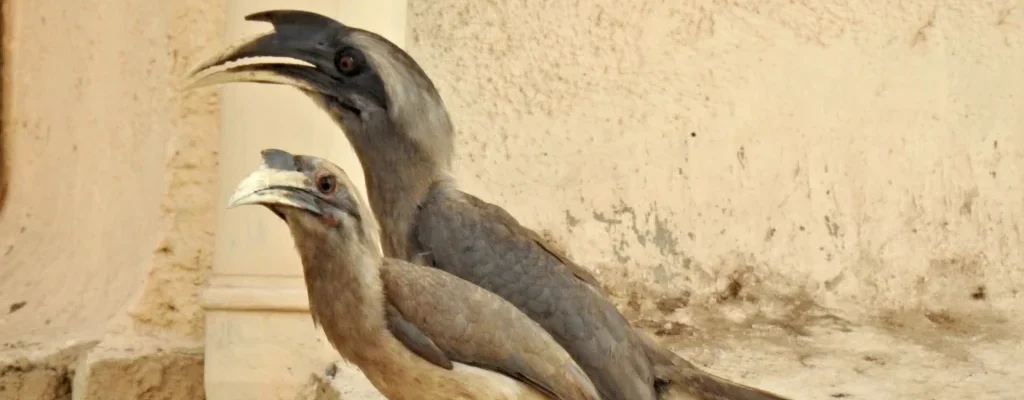
Indian-grey-hornbill couple

Guests staying at ChukkiMane often recall moments when they spotted Indian Grey Hornbills:

• Gliding between tall trees near the cottages

• Calling from hidden perches at dawn or dusk

• Flying in pairs, reflecting their monogamous bonding

• Resting on high branches that frame the river basin horizon

It’s not unusual for early risers to catch their calls echoing as the sun rises, setting a natural tone for exploration and relaxation.

Why Their Presence Matters Here

The presence of Indian Grey Hornbills at ChukkiMane is a strong indicator of ecological health.
Their habitat requirements reveal that:
• The landscape supports diverse plant species
• There is sufficient food and shelter for wildlife
• The ecosystem remains balanced and thriving
“For visitors, observing these birds is more than just birdwatching in Karnataka — it is a reminder of how rich natural ecosystems flourish when protected”
Watching an Indian Grey Hornbill glide across the treetops of the Kaveri river landscape becomes one of those unforgettable moments that define the natural charm of ChukkiMane.
Indian-Gray-Hornbill

Sometimes, nature speaks without words — and here, it speaks beautifully

In quiet moments, the land, its people, and its wildlife move in gentle harmony.
When we pause to observe, even the skies have stories to share.

Come Experience Nature at Its Own Pace

At ChukkiMane, moments like watching an Indian Grey Hornbill glide across the treetops become part of the stay — simple, real, and unforgettable.

FAQs — Indian Grey Hornbill at ChukkiMane

1. When are Indian Grey Hornbills most active around ChukkiMane?
They are most active during early mornings and late afternoons, when their calls are most commonly heard and flights are easiest to spot.

2. Can guests easily spot these hornbills?
Yes, sightings are often reported near tall trees and open sky areas around the property.

3.Where can you see Indian Grey Hornbills near Bangalore?

Indian Grey Hornbills can often be spotted during birdwatching near Bangalore at nature-rich locations like ChukkiMane near Shivanasamudra in the Kaveri river basin.

4. What do they eat around ChukkiMane?
Their diet consists mostly of fruits found in the river basin, along with insects and small animals.

5. Why do they nest in tree cavities?
Tree cavities protect eggs and chicks from predators and weather, making mature trees important nesting sites.

6. What does their presence indicate about the environment?
Their presence indicates a healthy ecosystem with good tree cover and natural food sources in the landscape.