facebook
  • ChukkiMane
  • No Comments
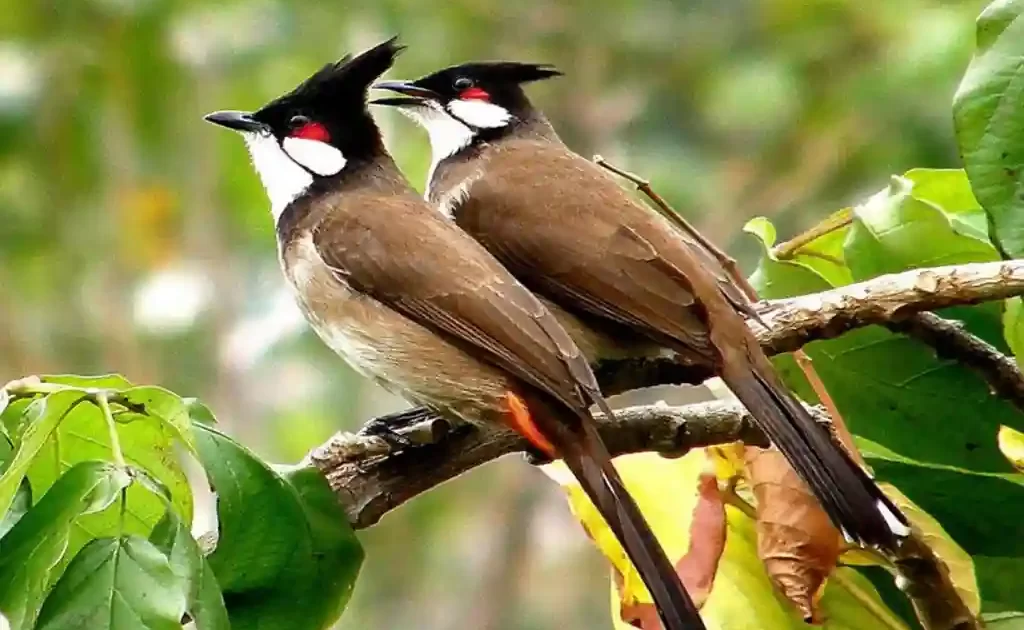
love birds at bangalore

Seven Habitats, Hundreds of Wings: Where Will Your Next Bird Sighting Be?

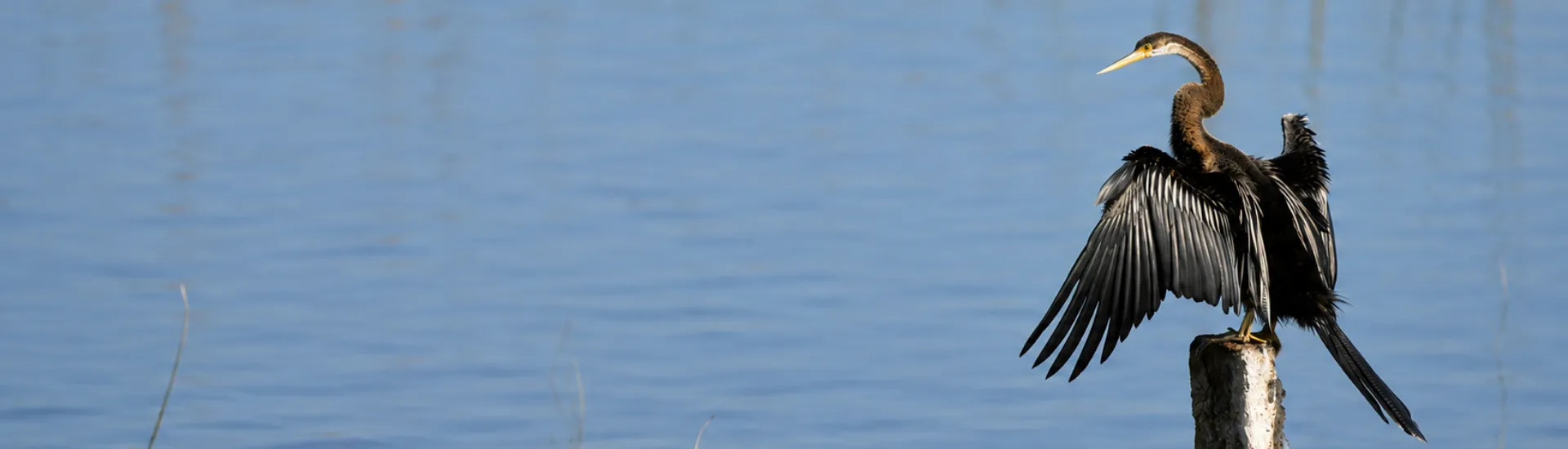
Oriental Darter at Kaveri River backwaters

Seven Habitats, Hundreds of Wings: Where Will Your Next Bird Sighting Be?

ChukkiMane, Karnataka
What if a single morning could take you from quiet river backwaters to ancient banyan trees, village ponds, food forests and open fields — with a different bird waiting in every habitat?
Around ChukkiMane, the Kaveri River ecosystem creates a remarkable mosaic of landscapes where resident and migratory birds find food, water, shelter and nesting spaces. From colourful kingfishers and elegant egrets to peafowl, hornbills, bee-eaters and river terns, every walk can turn into an unexpected birdwatching adventure.

Follow the River, and the Birds Begin to Appear

The Kaveri is more than a river flowing through the landscape. Around ChukkiMane, its backwaters, wetlands, sand bars, reed beds and small islands create some of the most interesting places for birdwatching.

Early in the morning, the river begins to reveal its inhabitants. A kingfisher may suddenly dive towards the water. An Oriental Darter may stretch its wings after a swim, while egrets and herons quietly move along the shallow edges. Look towards the sky and you may notice a Brahminy Kite riding the morning air.

The quieter you become, the more you begin to notice.

During the post-monsoon and winter months, the backwaters become particularly interesting as ducks, waders and other waterbirds become more prominent. The best time for a morning bird safari is generally around 6:30 AM to 9:00 AM, when the landscape is active and the light is ideal for observation.

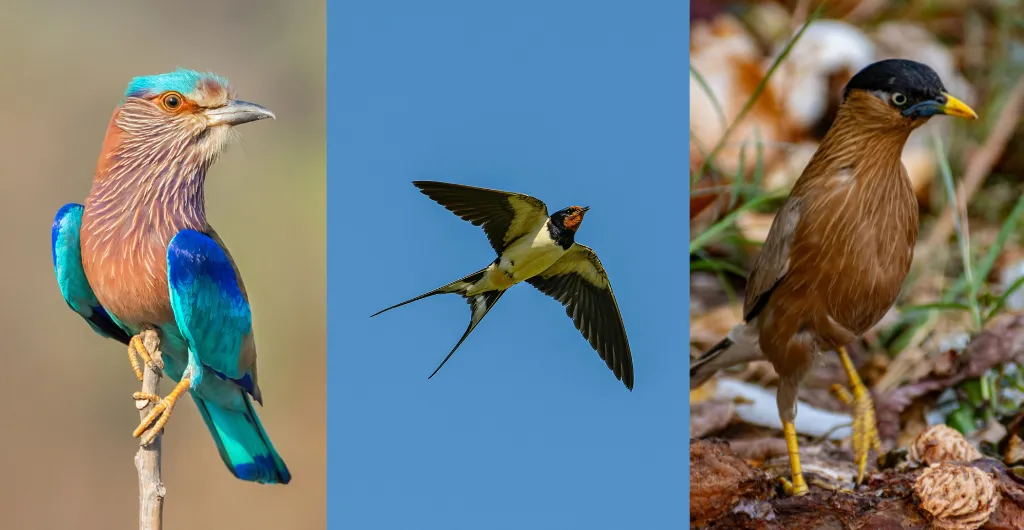
Birds in grasslands and agricultural fields

From Village Ponds to Ancient Trees — Every Habitat Has a Story

Birdwatching around ChukkiMane is not about standing in one place and waiting for birds to appear. It is about moving through a living landscape where every habitat attracts a different community of birds.

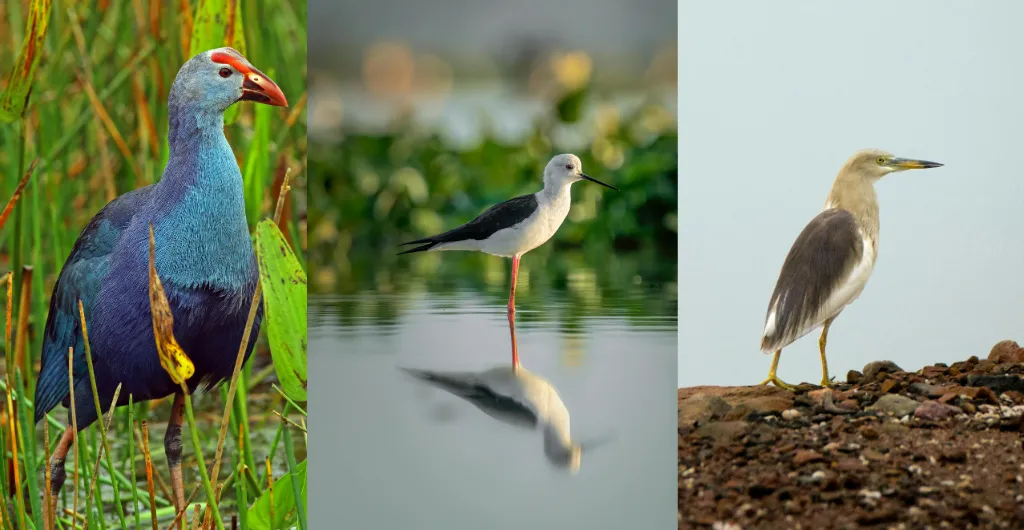
A visit to Balakavadi Village Pond can reveal water-loving species such as Lesser Whistling Ducks, Little Grebes, Purple Swamphens, Moorhens, Pond Herons and kingfishers.

Then the landscape changes.

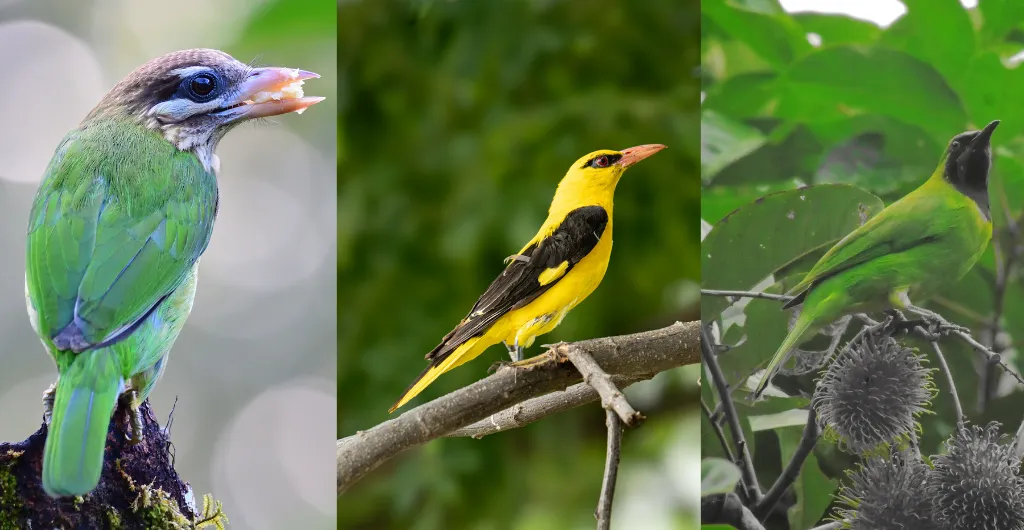
Large banyan, peepal and fig trees become natural feeding stations. Their fruits attract parakeets, koels, barbets, bulbuls and mynas, while an occasional Indian Grey Hornbill may appear among the branches.

Walk further into the food forest and native tree plantations, and the birds change again. Sunbirds, white-eyes, leafbirds, tailorbirds and other small insect- and nectar-feeding species become part of the experience.

It is this variety of habitats that makes birdwatching here so rewarding. You are never quite sure what you will encounter around the next bend.

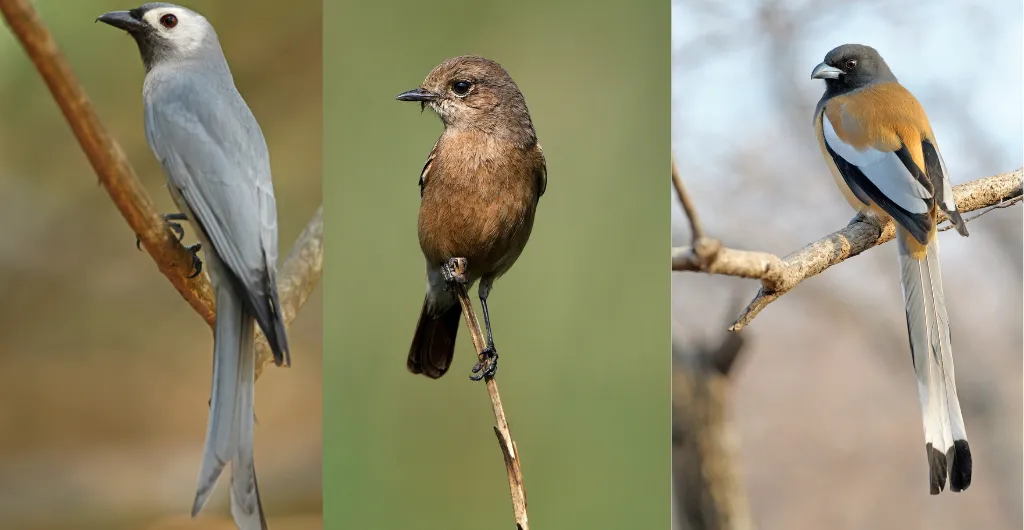
Birds in native tree and bushland habitats

Three Landscapes, Three Completely Different Birdwatching Experiences

River & Wetland Birds

Indian Spot-billed Duck

Oriental Darter

Little Cormorant

Great Egret

Grey Heron

Pied Kingfisher

River Tern

Black-winged Stilt

Red-wattled Lapwing

Trees, Food Forests & Orchards

Rose-ringed Parakeet

Plum-headed Parakeet

Asian Koel

Coppersmith Barbet

White-cheeked Barbet

Purple Sunbird

Purple-rumped Sunbird

Golden-fronted Leafbird

Indian Grey Hornbill

Indian Golden Oriole

Fields, Grasslands & Bushland

Indian Peafowl

Indian Roller

Baya Weaver

Paddyfield Pipit

Ashy Prinia

Common Tailorbird

Pied Bushchat

Black Drongo

Cattle Egret

Yellow-wattled Lapwing

The Season Changes — And So Does the Birdlife

One of the most fascinating things about birdwatching around the Kaveri landscape is that the experience changes with the seasons.

During the monsoon months from June to September, the landscape becomes lush and active. Kingfishers, egrets, herons, cormorants, bee-eaters, bulbuls and drongos become part of the green surroundings.

As the rains retreat during October and November, the backwaters begin to attract more ducks, lapwings, river terns, darters and other waterbirds.

December to February brings the winter birdwatching experience, when species such as Indian Spot-billed Duck, Lesser Whistling Duck, Black-winged Stilt, Grey Heron and other migratory waterbirds may be encountered.

Then comes March to May. The trees become alive with calls from Asian Koels, orioles, barbets, sunbirds and bee-eaters, while peafowl and tailorbirds add movement to the warmer landscape.

“There is no single “best” season to experience birds here. There is simply a different story waiting in every season.”
Colourful birds in ChukkiMane food forest

Come Looking for a Bird. Leave With a Story

Perhaps you came hoping to photograph a kingfisher.

Instead, you hear a koel calling from a mango tree.

Then a peacock crosses the field.

A pair of parakeets disappears into the branches.

A Brahminy Kite circles above the Kaveri.

And suddenly, you realise that the most memorable part of birdwatching was never the photograph. It was the feeling of being completely present in a landscape where every tree, pond, field and riverbank had something happening.

That is what makes birdwatching at ChukkiMane different.

The experience connects the Kaveri backwaters with village ponds, food forests, ancient trees, agricultural fields and orchards — allowing guests to experience several habitats during one morning journey. ChukkiMane's birdwatching experience is suitable for beginners, families and experienced birders, making it an accessible nature activity rather than something reserved only for serious birdwatchers.

You don't need to know every bird's name before you arrive.

You only need to be curious enough to stop, look and listen.

Because sometimes, the best travel memories are the ones that fly in unexpectedly.

Kaveri River wetland birds near Shivanasamudra

Follow the Kaveri, listen to the trees, and you'll discover that every morning has a story to tell.

You may come searching for a kingfisher. You never know what else you’ll find.
A peacock in the fields, a koel in the trees, and a sky full of unexpected moments.

What Will You Spot Before Breakfast?

From a flash of blue near the water to a peacock crossing the fields, every early morning around the Kaveri can bring an unexpected encounter.

Frequently Asked Questions

1. Is Shivanasamudra a good destination for birdwatching?

Yes. The Kaveri River landscape around Shivanasamudra combines river habitats, wetlands, forests, agricultural fields and open countryside, creating opportunities to observe a wide variety of birds. Karnataka Tourism also describes Shivanasamudra as being surrounded by the forests of the Cauvery Wildlife Sanctuary.

2. What birds can I see while birdwatching near Shivanasamudra?

Depending on the season and habitat, visitors may encounter kingfishers, egrets, herons, cormorants, darters, ducks, lapwings, sunbirds, barbets, parakeets, drongos, peafowl, Brahminy Kites and many other resident and seasonal birds.

3. What is the best time for birdwatching at ChukkiMane?

Early morning is one of the best times because birds are active and the surroundings are quieter. ChukkiMane recommends morning birdwatching, with October to March being particularly interesting for seasonal and migratory bird activity.

4. Can beginners enjoy birdwatching at ChukkiMane?

Absolutely. You do not need previous birdwatching experience. ChukkiMane’s birdwatching experience is designed for beginners, families and experienced birders alike.

5. Can children participate in birdwatching?

Yes. Birdwatching can be an engaging nature activity for children because it combines observation, listening and learning about animals in their natural surroundings. ChukkiMane specifically describes its experience as family-friendly.

6. How many bird species can be found in the Mandya region?

Avibase’s current Mandya checklist records 404 species, demonstrating the broader richness of birdlife in the district. Individual sightings around ChukkiMane naturally vary by season, habitat, weather and time of day.

7. What habitats can I explore during birdwatching at ChukkiMane?

The birdwatching route can include Kaveri backwaters, village ponds, Banyan and fig trees, food forests, shrublands, agricultural fields, grasslands and coconut and mango orchards.

8. Do I need binoculars for birdwatching?

Binoculars can make distant birds much easier to observe without approaching them. ChukkiMane recommends guests bring binoculars, while cameras are also welcome for nature photography.

9. Is birdwatching available throughout the year?

Yes, birdlife can be observed throughout the year, although the species and activity change with the seasons. Monsoon, post-monsoon, winter and summer each bring different birdwatching opportunities.

10. What makes birdwatching near the Kaveri River special?

The combination of water, mature trees, farmland, wetlands and open landscapes creates multiple habitats within a relatively compact region. This variety allows visitors to encounter different types of birds during the same nature outing.