facebook
  • ChukkiMane
  • No Comments

A Beginner’s Guide to Birdwatching Near Shivanasamudra and the Kaveri River

CHUKKIMANE EXPERIENCE

What If Your Next
Adventure Had Wings?

Explore the beautiful birdlife around Shivanasamudra and the Kaveri River, where every morning holds a new story waiting to be seen.

Discover the World of Birds
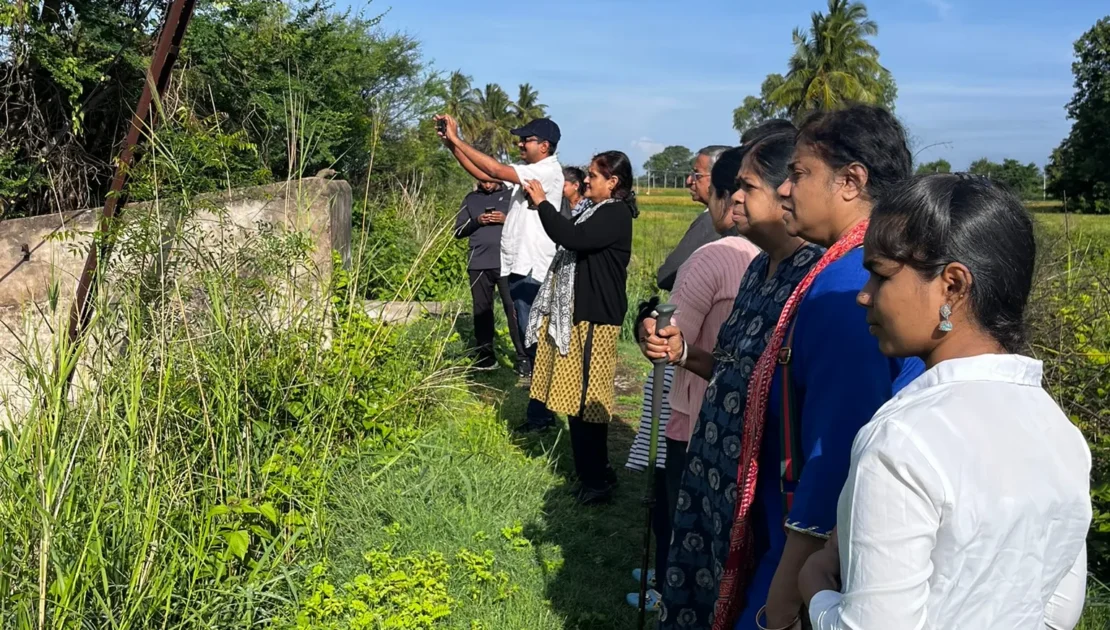
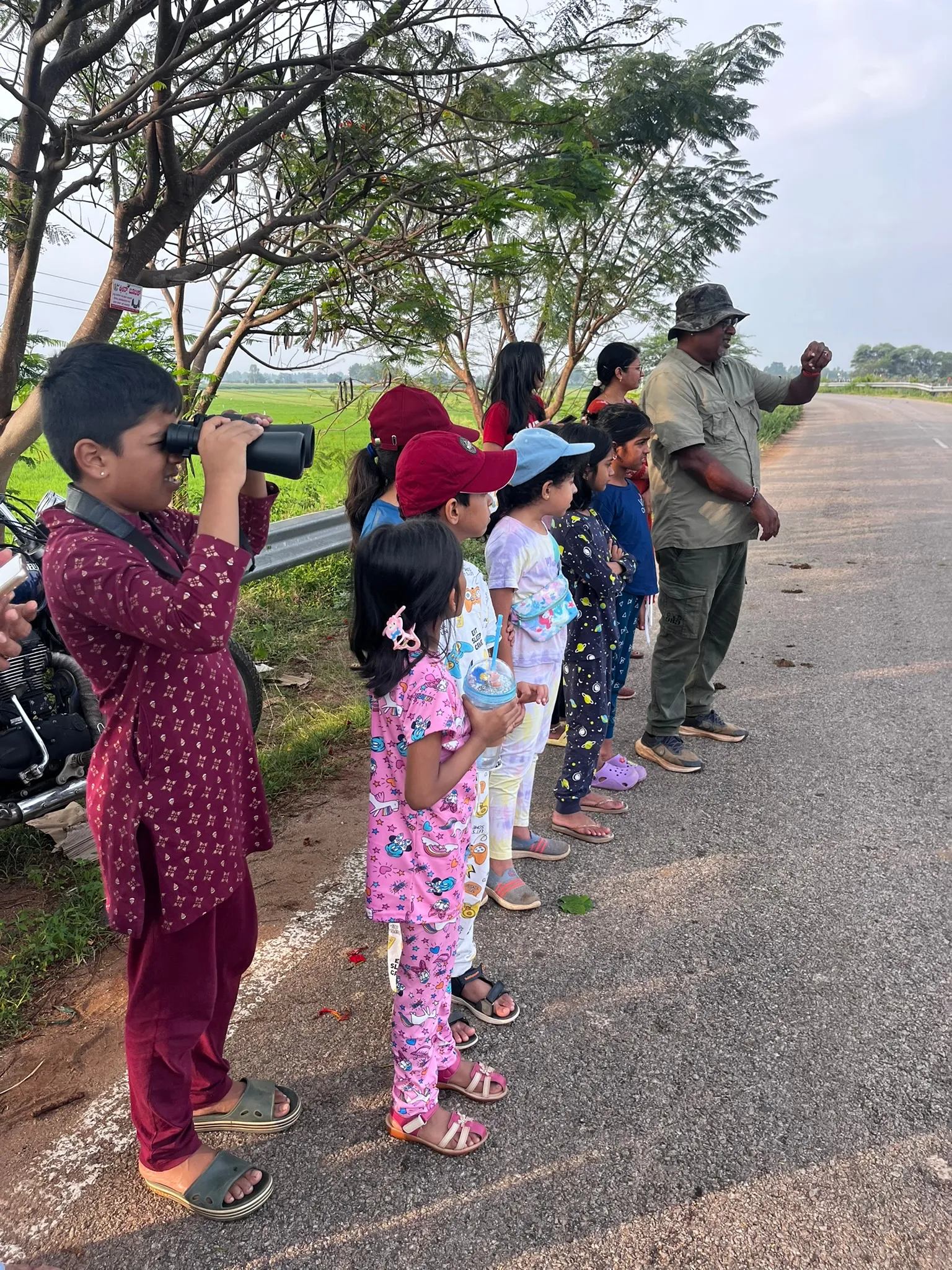
A group enjoying a bird watching session in fields near the Kaveri backwaters

You Don't Need to Be an Expert to Discover the Magic of Birds

Have you ever heard a beautiful birdcall but couldn't figure out where it came from? Or noticed a bird flying across the sky and wondered what it was? That little moment of curiosity is all it takes to begin birdwatching.

Around Shivanasamudra and the Kaveri River, nature offers countless opportunities to slow down and observe the world differently. The landscape changes from riverbanks and wetlands to open fields, village ponds and leafy trees, creating habitats for many kinds of birds. Karnataka Tourism also highlights the natural surroundings and forests around Shivanasamudra, making the region appealing to visitors who enjoy nature and wildlife.

The wonderful thing about birdwatching is that you don't need expensive equipment, expert knowledge or years of experience. You simply need patience, a little curiosity and the willingness to look more closely.

At ChukkiMane, birdwatching offers a chance to experience this slower, more attentive way of exploring nature. Whether you're travelling as a family, enjoying a countryside escape or discovering wildlife for the first time, you can begin with one simple question: What bird will I spot today?

Follow the River, Look Towards the Trees — A Birdwatcher's Adventure Begins

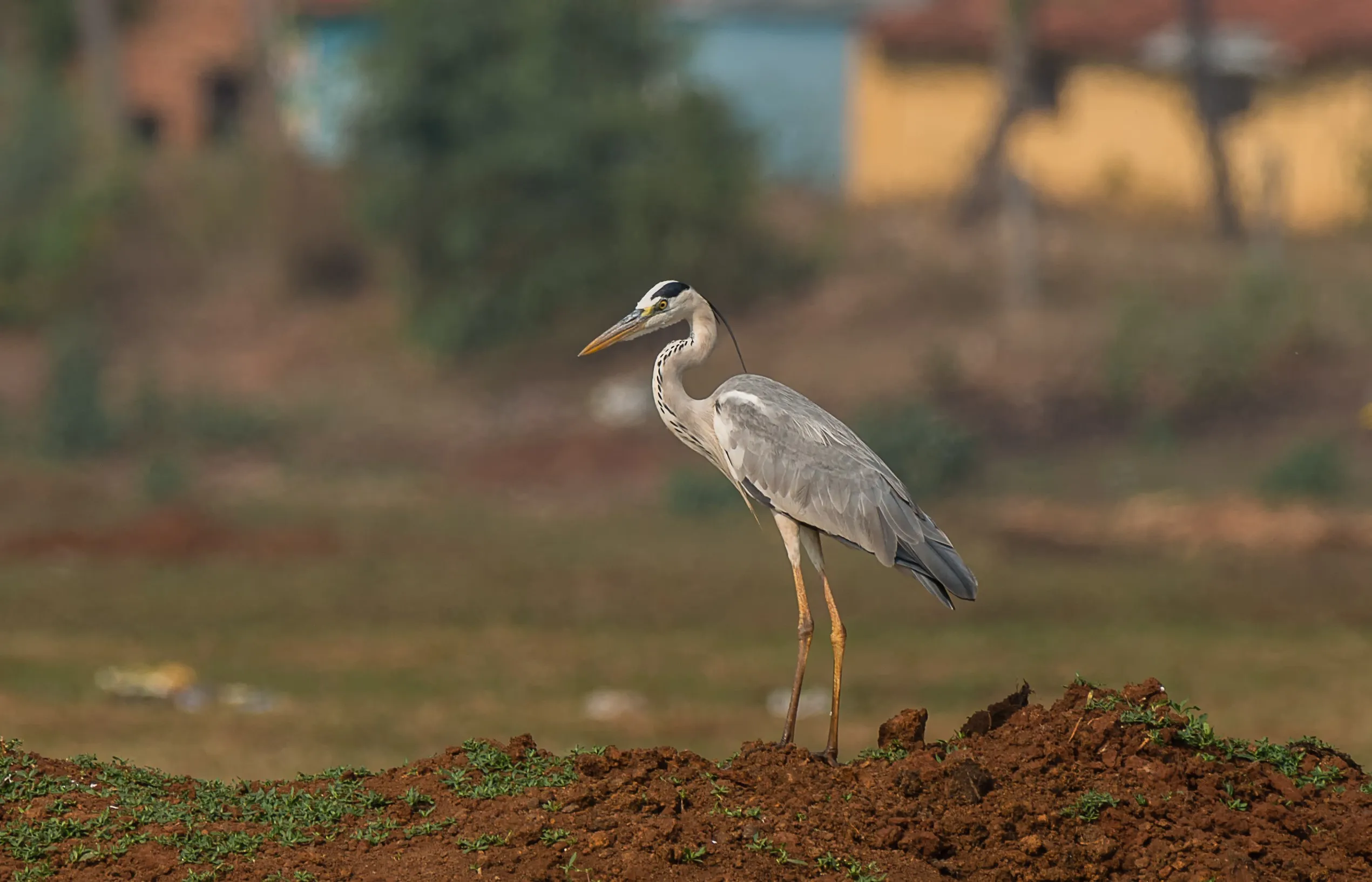
Imagine stepping outdoors just after sunrise. The air is cool, the countryside is waking up, and the Kaveri landscape is beginning to stir. Near the water, you might notice an egret standing perfectly still, a kingfisher watching for its next meal or a cormorant resting with its wings spread. Look higher, and you may see a kite circling overhead or parakeets darting between branches.

Move away from the river, and a different world begins to appear. Mature trees provide shelter and food for birds such as barbets, koels, bulbuls and hornbills. In open fields and grassy areas, you may encounter drongos, pipits, lapwings or the unmistakable Indian Peafowl. These are examples of species that may be found across suitable habitats in the wider Kaveri region; sightings are never guaranteed and depend on the season, weather and location.

This variety is what makes birdwatching near Shivanasamudra so rewarding. You aren't just searching for individual birds — you're discovering how different landscapes support different forms of life. Every pond, branch, field and riverbank has its own story.

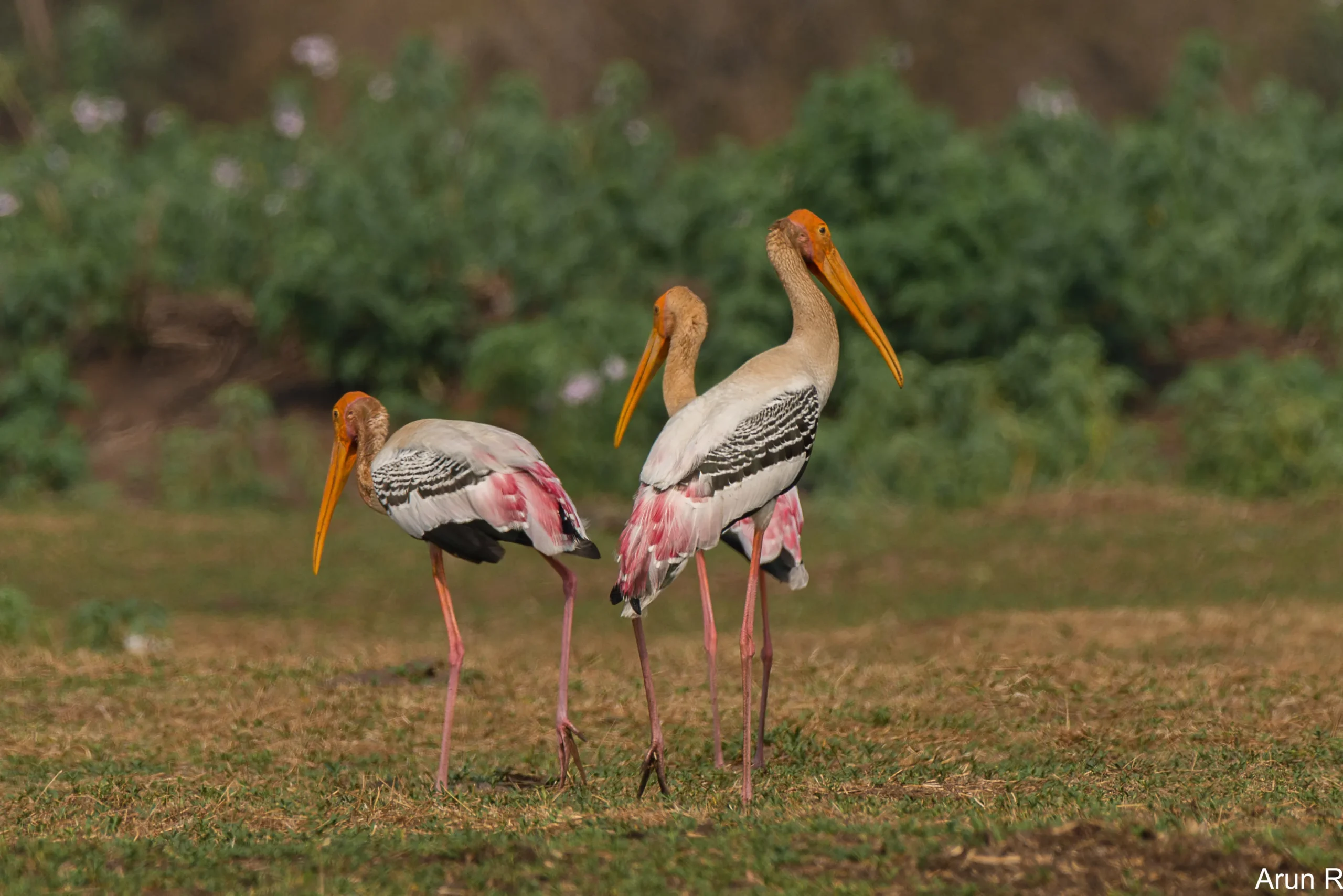
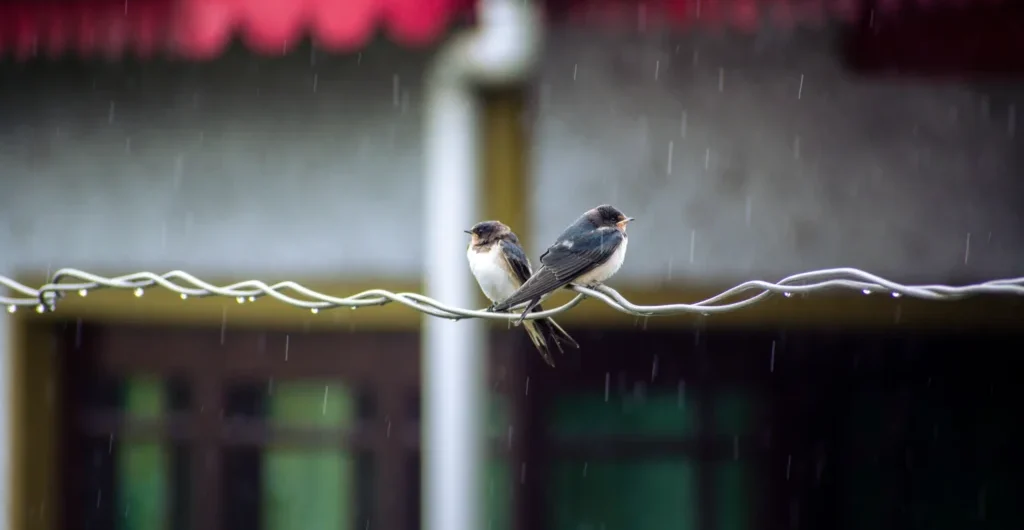
Three painted storks in a grassy landscapeTwo birds resting during monsoon rain Observe gently

Three Landscapes, Three Different
Birdwatching Adventures

Not all birds look for the same things. Some depend on water, others search for fruit among the trees, and many thrive in open countryside. Once you begin recognising these differences, birdwatching becomes far more exciting.

1. Riverbanks & Wetlands

Watch the water come alive.

River edges, shallow pools and backwaters can attract birds searching for fish, insects and aquatic food.

Birds to look for

  • Kingfishers
  • Egrets and herons
  • Cormorants
  • Spot-billed ducks
  • Oriental Darters

2. Trees & Woodlands

Look up — surprises await.

Mature trees, flowering plants and fruiting branches offer birds food, shelter and nesting opportunities.

Birds to look for

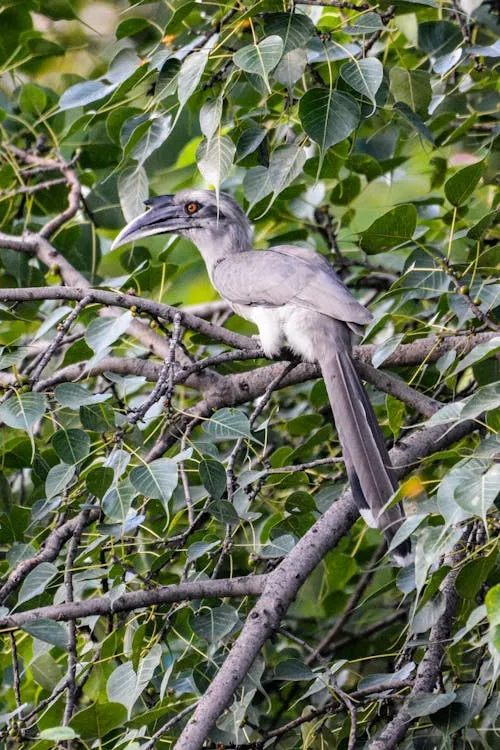
  • Indian Grey Hornbill
  • Rose-ringed Parakeet
  • Asian Koel
  • Coppersmith Barbet
  • Purple Sunbird

3. Fields & Open Countryside

Discover life in the grass.

Open fields, shrubs and agricultural landscapes provide feeding and resting places for ground-dwelling and insect-eating birds.

Birds to look for

  • Indian Peafowl
  • Indian Roller
  • Black Drongo
  • Ashy Prinia
  • Red-wattled Lapwing

Remember: These are examples of birds to watch for in suitable habitats across the wider region, not a guarantee of sightings at every stop. Move quietly, keep a respectful distance and let the birds continue their natural activities.

When Should You Go Birdwatching?

If you're wondering when to begin your birdwatching adventure, start early. The hours after sunrise are often rewarding because many birds are actively feeding, calling and moving through their habitats. The soft morning light also makes it easier to observe colours and photograph birds without the harshness of midday sunlight.

6:00 AM — 9:00 AMRecommended experience
October — MarchSeasonal bird activity
Every seasonSomething new to notice

At ChukkiMane, the recommended birdwatching experience takes place in the early morning, generally between 6:00 AM and 9:00 AM. October to March can be especially interesting for seasonal bird activity, including the possibility of encountering visiting waterbirds. However, birdlife changes throughout the year, so every season offers something different to notice.

During and after the monsoon, greenery and water levels transform the landscape. As the seasons progress, changing water conditions and food availability can influence which birds visit different habitats. Rather than waiting for one perfect season, make every outing an opportunity to observe something new.

For your first trip, wear comfortable, muted-coloured clothing, carry drinking water and bring binoculars if you have them. A camera can be useful, but don't spend the entire morning looking through a lens. Sometimes, the best memory is simply watching a bird move freely through its natural surroundings.

Come Looking for a Bird.
Leave With a Story.

Perhaps you set out hoping to photograph a kingfisher. Instead, you discover a peacock wandering through a field, hear a koel calling from a distant tree and notice a small sunbird hovering near a flower. Suddenly, the morning becomes about more than ticking species off a list. It becomes a moment of connection with the natural world.

That is the joy of birdwatching near Shivanasamudra and the Kaveri River. It encourages you to slow down, notice details and appreciate the rich life around you. It can be a wonderful experience for couples, families, children, photographers and anyone who wants to explore Karnataka beyond its familiar tourist attractions.

At ChukkiMane, you can make this discovery part of a countryside getaway. Its birdwatching and conservation experience brings together observation, learning and an appreciation for local biodiversity, with opportunities to explore the habitats surrounding the Kaveri backwaters.

You don't have to know every bird's name before you arrive. Start with one sighting, one call or one curious question. Let the landscape surprise you.

Explore Birdwatching at ChukkiMane
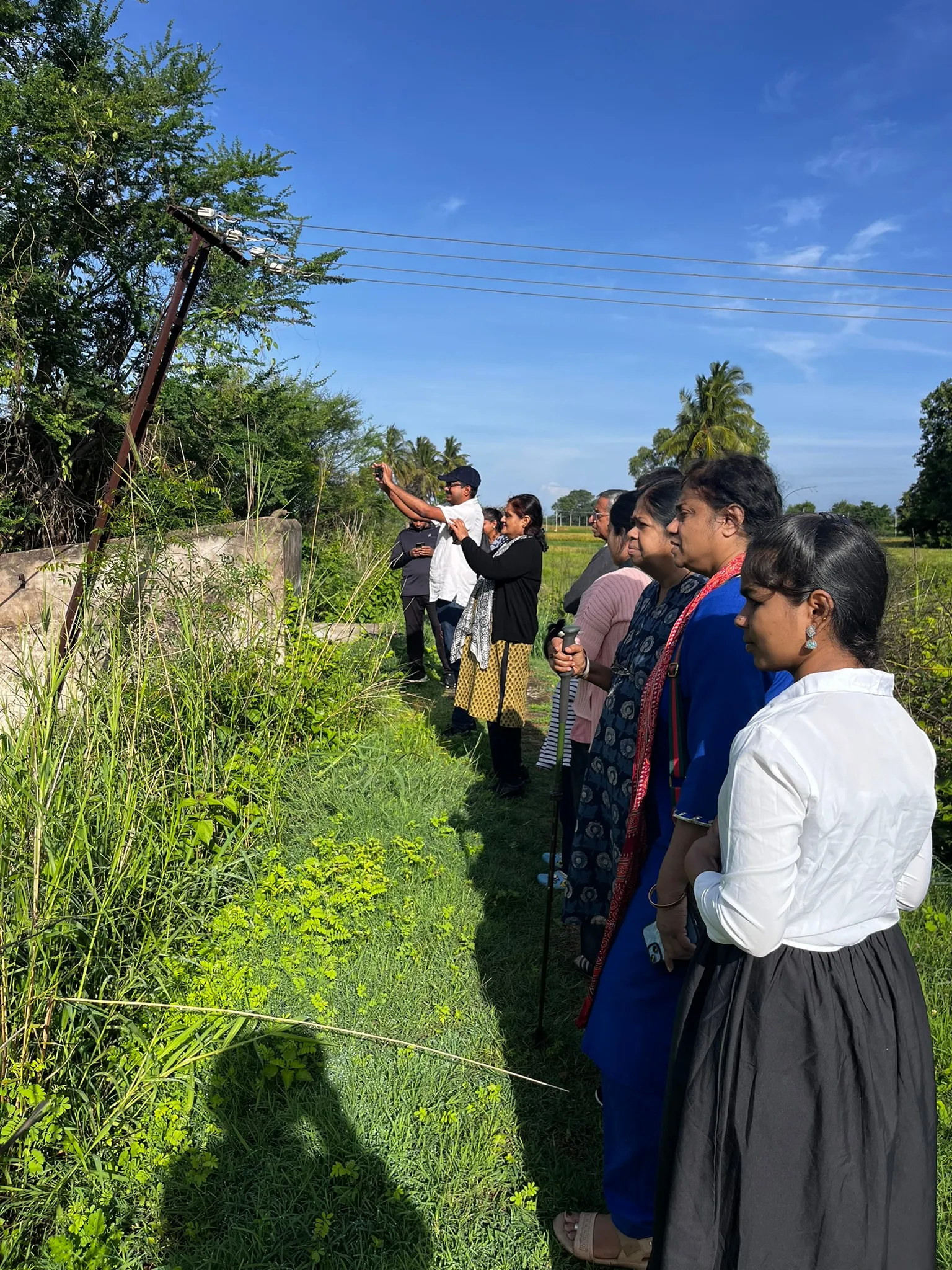
Children and adults looking for birds beside a countryside road
Slow down.
Look closer.

FAQs — A Beginner's Guide to Birdwatching Near Shivanasamudra

Everything you need to feel ready for your first morning among the birds.

1. Is Shivanasamudra a good place for beginner birdwatching?
Yes. The wider Shivanasamudra and Kaveri River region has a variety of habitats, including wetlands, riverbanks, wooded areas and open countryside. These give beginners opportunities to observe different kinds of birds without needing advanced knowledge.

2. What birds can I see near the Kaveri River?
Depending on the location and season, you may spot kingfishers, egrets, herons, cormorants, darters, ducks, parakeets, barbets, drongos, peafowl and other birds. Sightings vary, so keep your expectations open and enjoy every discovery.

3. What is the best time of day for birdwatching?
Early morning is generally a good time because many birds are active and the light is favourable for observation. ChukkiMane recommends its birdwatching experience during the morning hours, typically between 6:00 AM and 9:00 AM.

4. Which months are best for birdwatching near Shivanasamudra?
October to March can be rewarding, particularly for observing seasonal bird activity. However, resident birds can be seen throughout the year, and the best sightings depend on weather, habitat and local conditions.

5. Do I need binoculars to start birdwatching?
No. You can begin with your eyes and ears alone. Binoculars make it easier to identify birds at a distance, while a camera or bird identification guide can help you record and learn about your sightings.

6. Is birdwatching suitable for children and families?
Absolutely. Birdwatching encourages curiosity, patience and observation, making it an engaging outdoor activity for families. Children can learn to recognise bird calls, colours, feeding habits and habitats while spending time in nature.

7. What should I carry for a birdwatching trip?
Wear comfortable clothing and walking shoes, carry drinking water and consider bringing binoculars, a camera, sunscreen and a small notebook. Keep noise to a minimum and avoid disturbing birds or approaching nests.

8. Can I experience guided birdwatching at ChukkiMane?
ChukkiMane offers a birdwatching and conservation experience near the Kaveri backwaters, with learning opportunities for beginners and experienced bird enthusiasts. Contact ChukkiMane directly to confirm current timings, availability and booking details.