
facebook
  • ChukkiMane
  • No Comments
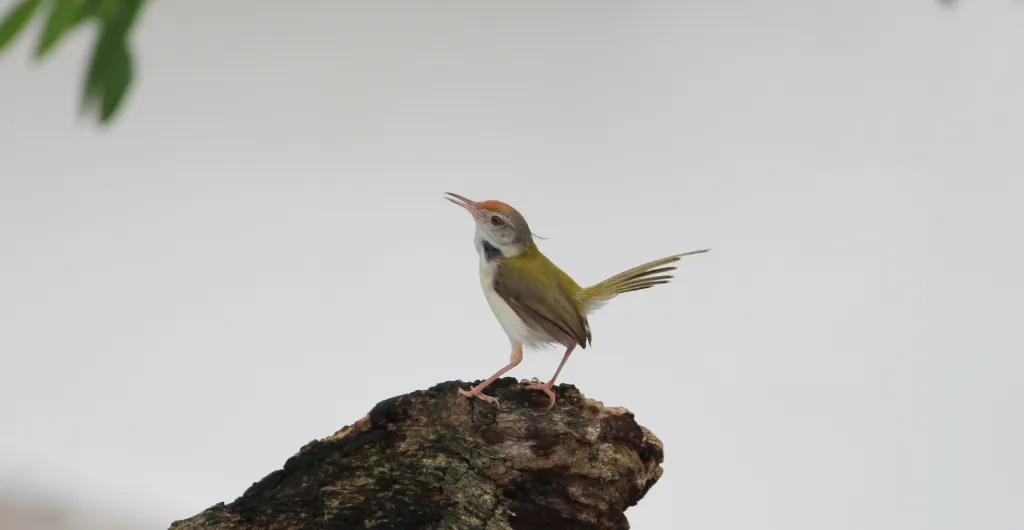
Tailor Bird perched on a tree stump at ChukkiMane

Can a Bird Really Stitch Leaves Together? Meet the Incredible Tailor Bird at ChukkiMane

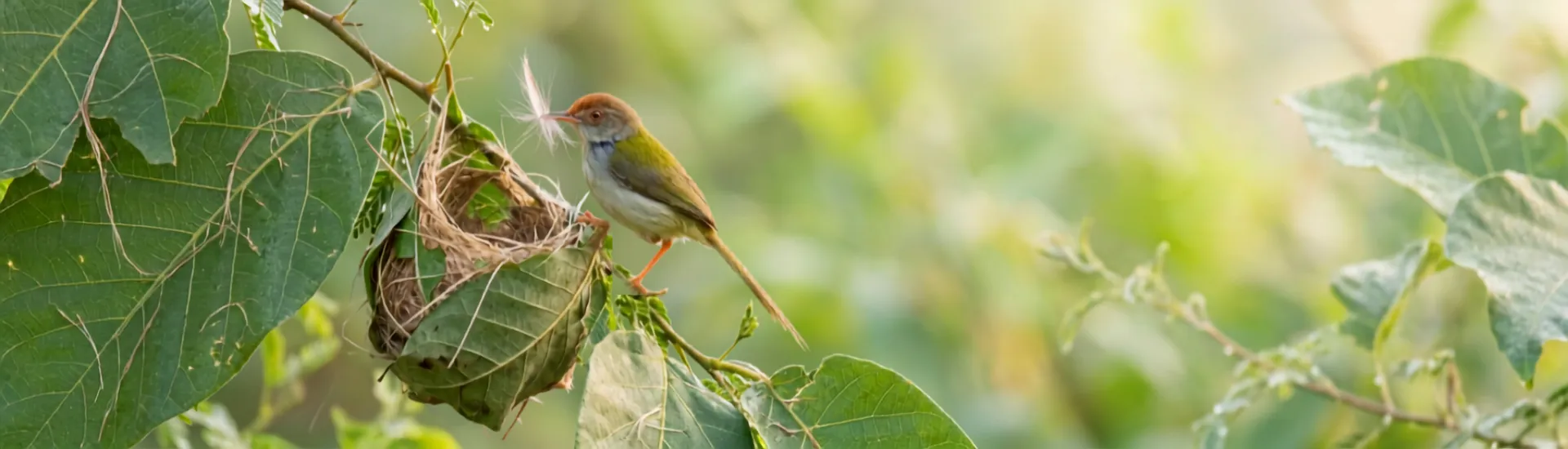
Common Tailor Bird beside its beautifully stitched leaf nest

Can a Bird Really Stitch Leaves Together? Meet the Incredible Tailor Bird at ChukkiMane

ChukkiMane, Karnataka
What if we told you that one of nature's most skilled architects weighs less than a handful of feathers?
Hidden among the lush greenery of ChukkiMane is a tiny bird with an extraordinary talent. Instead of collecting ready-made nests, the Common Tailor Bird carefully stitches living leaves together using spider silk and plant fibers to create one of nature's most remarkable homes. Tiny in size but extraordinary in skill, this fascinating bird reminds us that nature's greatest wonders are often found in its smallest creatures.

Nature's Tiny Tailor Living in the Heart of ChukkiMane

Walking through the gardens and tree-lined paths of ChukkiMane, you may hear a cheerful “chee-chee-chee” before you ever spot its owner. The Common Tailor Bird rarely stays still. It hops swiftly between shrubs, flowering plants, and small trees, constantly searching for insects while carefully watching over its territory.

Despite measuring only about 10–13 cm, this little bird has earned worldwide admiration for an ability that seems almost impossible—it literally stitches leaves together to build its nest.

Guests often spend minutes searching for the bird, only to discover that it has been cleverly hiding among the leaves all along. At ChukkiMane, every nature walk becomes a treasure hunt, and spotting a Tailor Bird is always one of the most memorable moments.
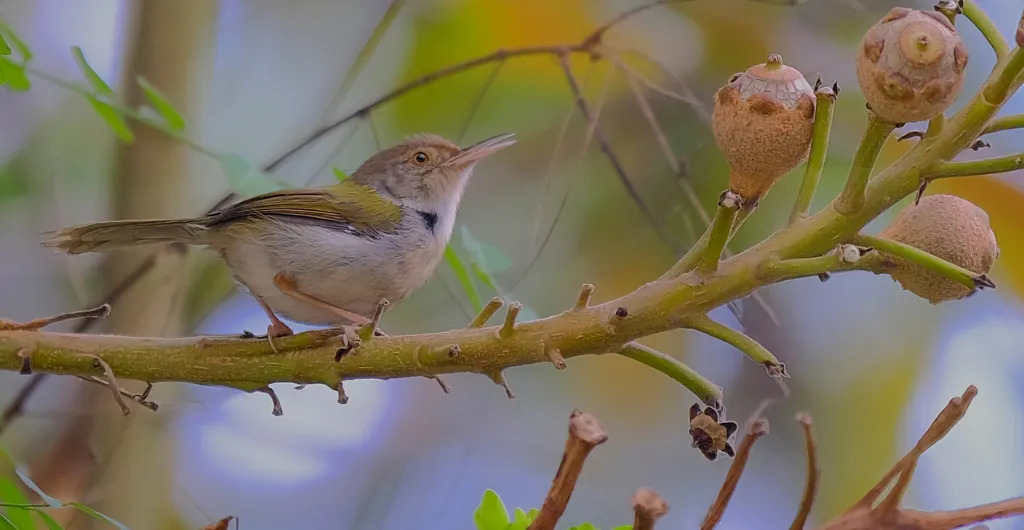
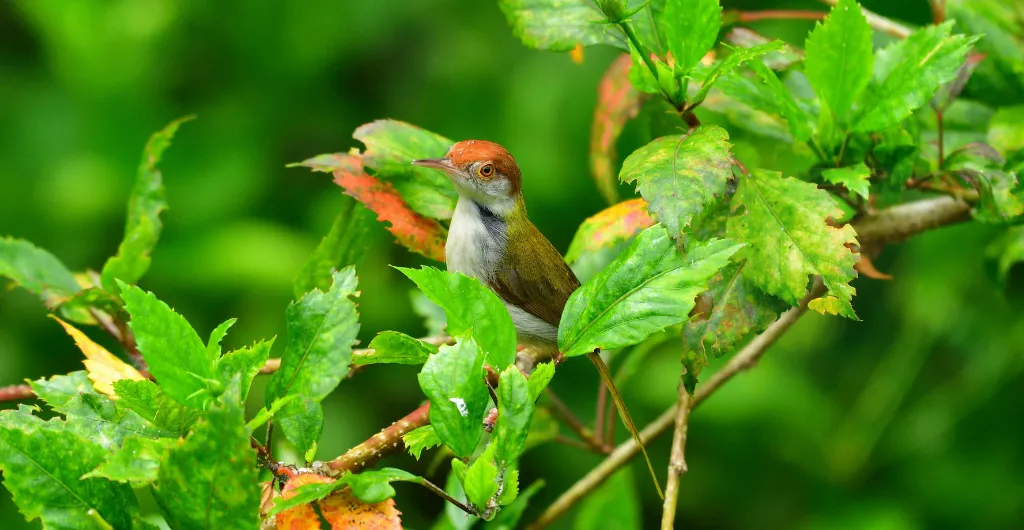
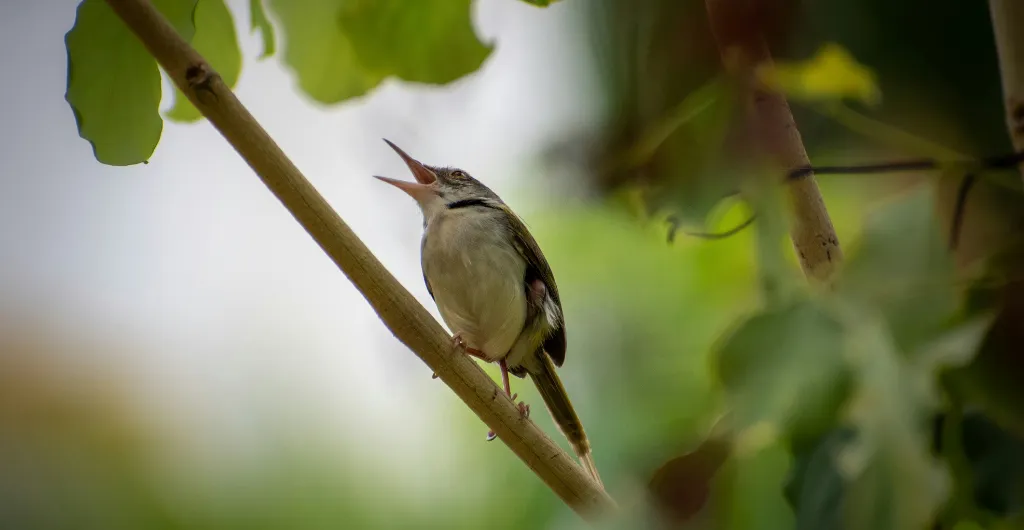
Tailor Bird perched on a tree branch in its natural habitat

How Does a Bird Stitch Leaves Without Hands?

Imagine trying to sew fabric without fingers, needles, or thread.

That is exactly what the Tailor Bird accomplishes using nothing but its slender beak.

The female carefully selects one or two broad green leaves and pierces tiny holes along their edges. She then threads natural fibers through them, pulling the leaves together without tearing them apart. The result is a cradle-like pocket that hides the nest from predators while protecting it from rain and wind.

Inside this leafy shelter, she creates a soft bed using:

  • Cotton fibers
  • Spider silk
  • Fine grass
  • Plant fluff
  • Soft feathers
  • Animal hair

The finished nest is so perfectly camouflaged that visitors often walk right past it without realizing an entire family is growing inside.

Meet Nature's Master Architect

The Amazing Stitching Process

Selects large living leaves.

Uses its beak like a sewing needle.

Stitches leaves with spider silk and plant fibers.

Creates a hidden cradle for eggs.

A Perfect Family Home

Nest lined with cotton, feathers and soft grass.

Usually lays 2–4 tiny eggs.

Excellent camouflage protects chicks.

Both parents care for the young after hatching.

Love, Loyalty & Daily Life

Mostly monogamous during the breeding season.

Males sing loudly to defend their territory.

Feeds mainly on insects, caterpillars and spiders.

Constantly active from sunrise to sunset.

A Small Bird with a Big Role in Nature

The Tailor Bird is much more than an expert nest builder.

By feeding on insects, caterpillars, and tiny pests, it naturally helps maintain ecological balance around farms, gardens, and forests. Instead of pesticides, nature relies on birds like the Tailor Bird to keep insect populations under control.

Its presence around ChukkiMane is also a sign of a healthy environment. These birds thrive where native plants, shrubs, flowering trees, and insect life flourish together.

“Watching one disappear into a perfectly stitched nest reminds us that even the smallest creatures play an important role in sustaining nature.”
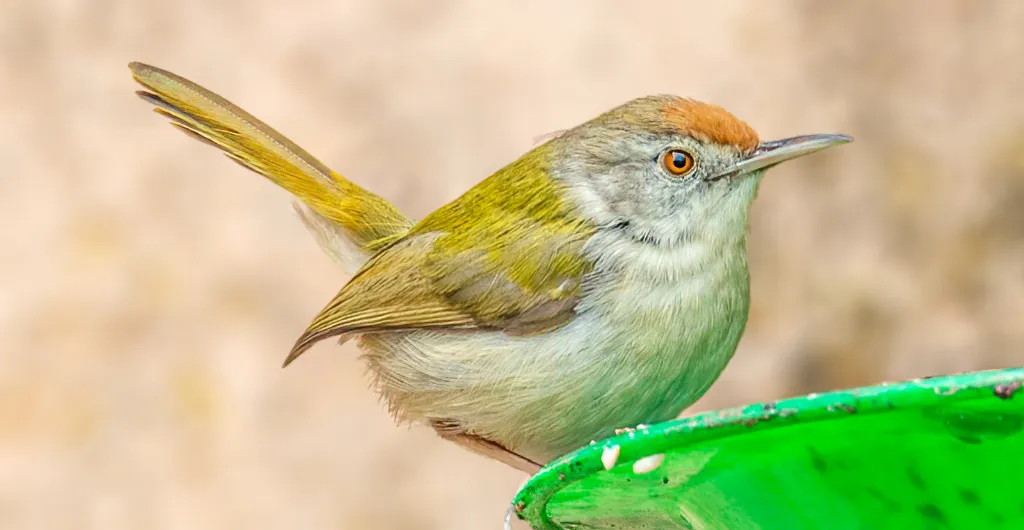
Close-up of a Common Tailor Bird showing its colorful plumage

Discover Nature's Greatest Little Engineer at ChukkiMane

Many visitors come to ChukkiMane for the peaceful landscapes, traditional food, and riverside beauty.
  • But somewhere during a morning nature walk, a tiny flash of green darts through the bushes. A cheerful song echoes through the trees. Then you notice two leaves stitched together in a way that no human could have imagined.
  • That is the magic of the Tailor Bird. It's one of those unforgettable discoveries that makes every visit to ChukkiMane feel like stepping into a living nature documentary—where every tree has a story, every bird has a purpose, and every walk reveals something extraordinary.
  • Who knew a bird could be one of nature's finest architects?

    Every carefully stitched nest is proof that the wild is full of surprises waiting to be discovered. At ChukkiMane, every walk through the greenery offers the chance to witness remarkable stories that most people never notice.

    Can You Spot Nature's Master Tailor?

    Hidden among the leaves is a tiny bird creating one of nature's greatest engineering marvels. Explore the trails of ChukkiMane and uncover the remarkable story stitched into every nest.

    Frequently Asked Questions

    1. Why is it called a Tailor Bird?

    Because it stitches living leaves together using natural fibers to build its unique nest.

    2. Does the Tailor Bird really sew leaves?

    Yes. Using its beak, it pierces small holes and threads spider silk or plant fibers through them, creating a stitched leaf pocket.

    3. Is the Tailor Bird monogamous?

    Yes. Tailor Birds are generally monogamous during the breeding season, and both parents help care for the chicks after they hatch.

    4. What materials does the Tailor Bird use to build its nest?

    Spider silk, cotton fibers, soft grass, feathers, animal hair, and plant fibers are commonly used.

    5. What does the Tailor Bird eat?

    It feeds mainly on insects, caterpillars, spiders, beetles, and other tiny invertebrates, making it beneficial for gardens and farms.

    6. Can visitors see Tailor Birds at ChukkiMane?

    Yes. They are often seen around shrubs, flowering plants, gardens, and wooded areas, especially during the early morning.

    7. Why is the Tailor Bird important to nature?

    It naturally controls insect populations, supports biodiversity, and indicates a healthy ecosystem.

    8. When is the best time to spot a Tailor Bird?

    Early mornings and late afternoons, when they are most active searching for food and singing.