

facebook
  • ChukkiMane
  • No Comments
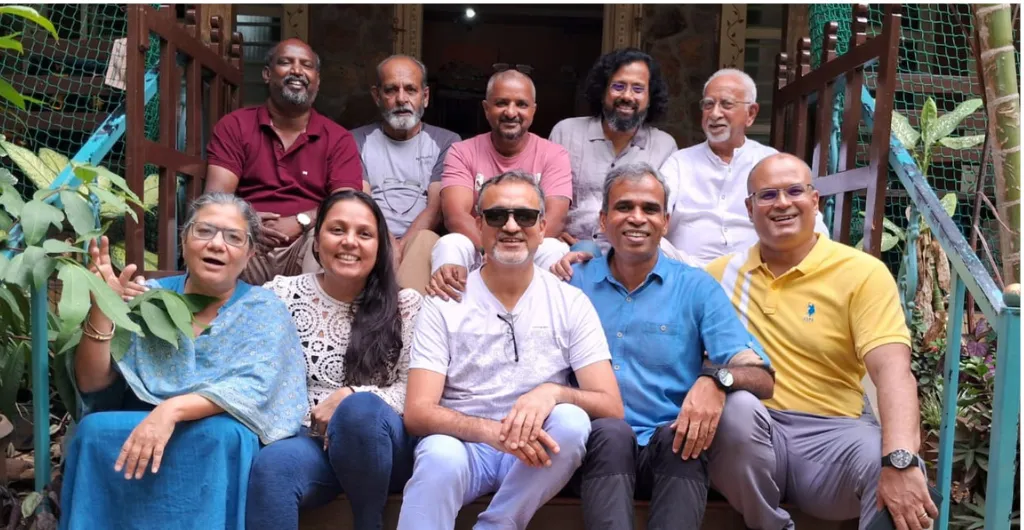
Zen retreat participants gathered at ChukkiMane

When Silence Became the Journey — Inside a Four-Day Zen Retreat

Zen meditation stones and lotus at sunset

When Silence Became the Journey — Inside a Four-Day Zen Retreat

ChukkiMane, Karnataka
What happens when you stop trying to fill every moment?
For four days, from 27 to 30 August 2026, a quiet corner near the sacred Kaveri River became a space for exactly that — slowing down, listening inward, walking without hurry and discovering what remains when the noise finally settles. The Monsoon Zen Retreat, co-created by ZEIF – Zen Interface and ChukkiMane, brought together positive solitude, Zen practices, contemplative movement, music, nature and moments of togetherness in a setting just 4 km from Gaganachukki Waterfalls.

What If the Best Part of a Retreat Was Doing Less?

Most retreats promise something to achieve.

This one began somewhere else.

The Monsoon Zen Retreat was designed not as a conventional workshop or pilgrimage, but as a threshold space for positive solitude, reflection and inner work. Its central idea was beautifully simple: sometimes, clarity does not come from adding more answers. It comes from creating enough stillness to notice what is already within us.

At ChukkiMane, surrounded by the rural landscape near the Kaveri River, that idea found a natural setting. The retreat combined periods of solitude with gentle community activities, allowing participants to experience both the quietness of being alone and the warmth of being together.

There was no need to constantly speak, perform or prove anything.

Instead, the days invited participants to pause, observe, breathe, walk, listen and simply be present.

And perhaps that is what made the experience different.
Zen retreat participants gathered at ChukkiMane

Four Days, Four Different Ways of Being Present

The retreat unfolded gradually rather than rushing towards a destination.

The first day was about arrival and grounding — settling into ChukkiMane, becoming familiar with the surroundings, resting, walking and experiencing the space. As evening arrived, sunset sitting and a hymn circle created a gentle transition from activity towards stillness.

The second day moved deeper into solitude. A visit towards the waterfalls, quiet walking, sketching, reflection and candlelit stillness created opportunities to experience nature without constantly turning it into conversation.

Then came togetherness.

The third day brought movement and shared experiences through practices such as Qi Gong, group dance, Zumba, Pilates, group sketching and joint cooking — while maintaining the retreat’s emphasis on awareness and silent participation.

The final day became a moment of integration: a Zen circle, reflection, journal writing, revisiting the group sketch and collective connection before the retreat came to a close.

It was not simply four days away from routine.

It was four days of changing the way one experienced routine itself.

What Made the Zen Retreat Experience Different?

Positive Solitude

Time to be alone without turning solitude into loneliness

Quiet walks through fields and along the waterfalls

Space to pause, reflect and reconnect with oneself

A deliberate break from constant interaction

Zen in Everyday Moments

Meditation, mindful walking and sunset sitting

Awareness while eating, bathing, drinking and breathing

Qi Gong, movement, yoga and other contemplative activities

Beginner's mind and presence in the here and now

Nature, Music & Togetherness

River chants honouring Kaveri and continuity of life

Shamanic drums, hymns and Nirguna Bhajans

Group cooking, sketching and shared activities

Sound and silence used as parts of the retreat experience

When the Kaveri Became More Than a River

There are places where nature becomes a backdrop.

And then there are places where nature becomes part of the experience.

With ChukkiMane located near Gaganachukki Waterfalls and around 4 km from the sacred Kaveri River, the retreat was designed around an environment where water, fields, trees, open spaces and changing skies could be experienced slowly.

Sunset sitting meant watching birds return home.

Walking became an opportunity to notice distant sounds.

The waterfalls became a place for solitude.

Even silence became something to experience rather than something to avoid.

The retreat’s philosophy captured this beautifully through the idea that the river does not need to try to heal you. It simply flows.

“And sometimes, perhaps, being close to something that flows naturally reminds us that we can do the same.”

What Remains When the Retreat Ends?

A retreat eventually ends. The bags are packed. The paths become quiet again. The conversations return. Phones come back into everyday life. Work, family and responsibilities wait outside.
  • But the real question is not what happened during four days.
  • It is what you notice differently afterwards.
  • The Monsoon Zen Retreat was created for adults seeking space to pause, confront themselves, reflect, release assumptions and reconnect with their own inner wisdom. Its approach brought together positive solitude, Zen simplicity, nature, movement, music and intentional community rather than presenting itself as a conventional training programme. Perhaps that is why the experience fits so naturally into ChukkiMane. Because ChukkiMane has always offered something beyond simply stepping away from the city. It offers the possibility of slowing down enough to actually notice where you are. And sometimes, that is where the journey begins.
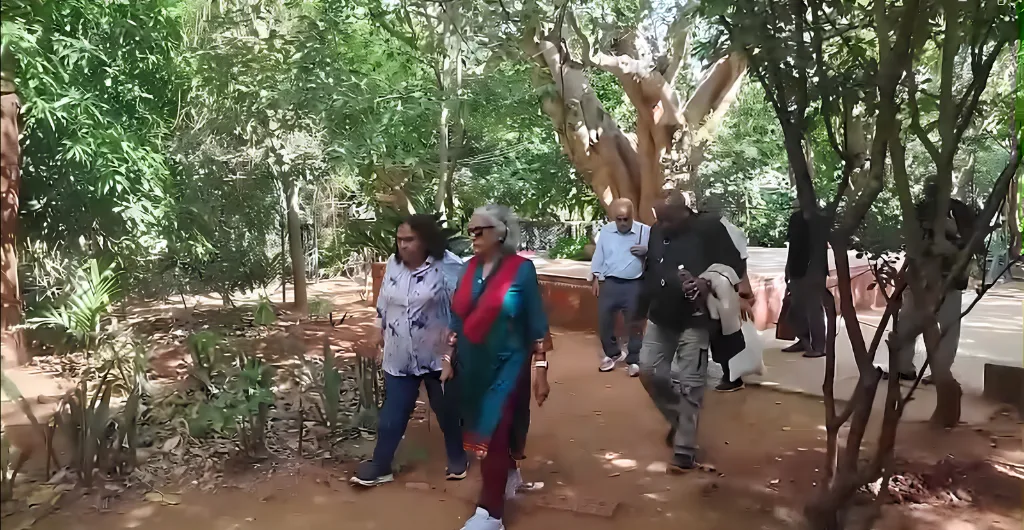
    Participants walking through nature at ChukkiMane

    Could Four Days of Silence Change the Way You See Everything?

    Away from the noise of everyday life, the Monsoon Zen Retreat invited participants to experience something increasingly rare—unhurried time. Through positive solitude, Zen practices, nature, movement, music, and shared moments, ChukkiMane became a space to stop, observe, breathe, and listen to what usually gets lost in the noise.

    What If the Quiet You’re Looking For Is Closer Than You Think?

    For a few days, silence became the soundtrack, nature became the setting, and slowing down became the practice. The Zen retreat at ChukkiMane offered a chance to step away from the rush, experience positive solitude, and reconnect with what often gets lost in everyday life.

    Frequently Asked Questions

    1. What was the Monsoon Zen Retreat?

    The Monsoon Zen Retreat was a four-day residential experience co-created by ZEIF – Zen Interface and ChukkiMane, focused on positive solitude, Zen practices, reflection, nature, movement, music and inner work. It was held from 27 to 30 August 2026.

    2. Where was the Zen Retreat conducted?

    The retreat was conducted at ChukkiMane near Gaganachukki Waterfalls in Karnataka, approximately 4 km from the Kaveri River.

    3. Was the retreat only about meditation?

    No. The programme combined meditation and contemplation with walking, Qi Gong, yoga, Zumba, Pilates, group dance, sketching, cooking, music, sunset sitting and periods of solitude.

    4. What is positive solitude?

    In the context of the retreat, positive solitude means experiencing chosen aloneness as nourishment rather than loneliness or escape. It was one of the central ideas of the Zen experience.

    5. Who was the retreat designed for?

    The retreat was intended for adults of all genders aged 40–70 who were seeking time to pause, reflect, navigate stressful situations, confront themselves and reconnect with their inner wisdom.

    6. Was previous meditation experience required?

    No. The retreat’s FAQ specifically states that participants did not need to be Buddhist or have meditation experience.

    7. What made ChukkiMane suitable for the retreat?

    Its rural setting near the Kaveri River and Gaganachukki Waterfalls provided natural spaces for meditation, walking, solitude, sunset sitting and community activities.