
facebook
  • ChukkiMane
  • No Comments
Traditional Food and cooking methods

Why Should We Grow Our Own Food

Healthy food and the affects of eating junk food

Why Should We Grow Our Own Food

ChukkiMane, Karnataka
Growing food at home isn’t just a hobby. It’s medicine, culture, and prevention rolled into one. When families plant seeds, tend soil, and harvest vegetables, they restore a direct path from earth to plate — food that arrives with micronutrients, fibre, seasonal wisdom, and the microbial life that keeps our gut, brain and communities healthy.
Food-as-medicine programs (from community gardens to medically-tailored meals) are now being integrated into health systems because whole foods measurably improve outcomes for chronic disease and lower healthcare costs.

Grow, Cook, Heal: Food as Medicine and the Power of Home Produce

When you plant a vegetable patch, you aren’t only growing spinach or tomatoes — you are growing vitamins (A, C, folate), fibre that feeds your gut microbes, and seasonal variety that reinforces metabolic health. Fresh produce contains bioactive phytochemicals and intact food matrices that work like low-dose medicines over time: lowering inflammation, improving blood sugar control, and supporting immunity.

Health systems around the world are piloting “food as medicine” interventions — produce prescriptions, medically tailored meals, and clinic-linked community gardens — and early data show improved management of diabetes, hypertension, and nutrition insecurity. Growing some of your own food reduces processing, packaging, and the added sugars/salts that arrive with industrial food.

Practical home tips:

  • Start with herbs, leafy greens and seasonal vegetables — they give high nutrient per-square-foot returns.

  • Rotate crops and use compost — healthy soil = healthy plants.

  • Cook simple meals from whole ingredients; avoid the “condiment trap” of processed sauces and powders.
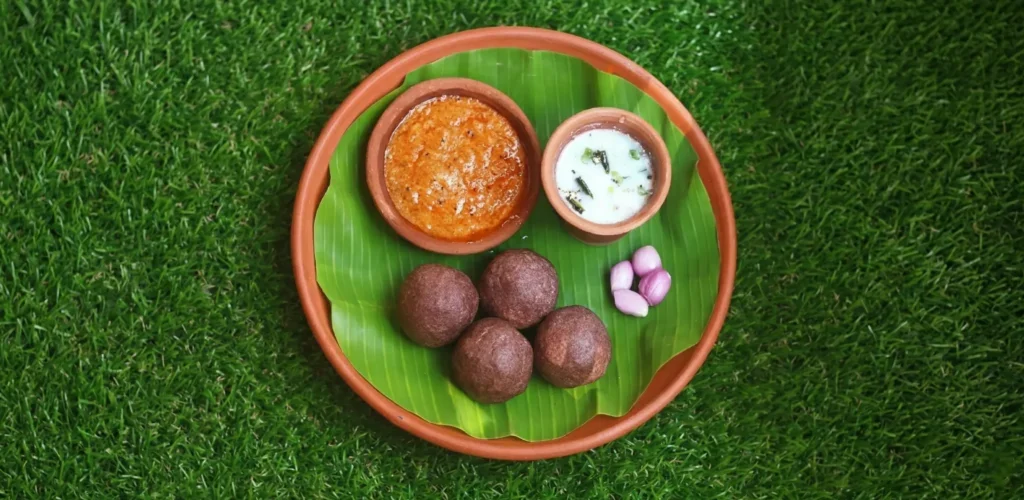
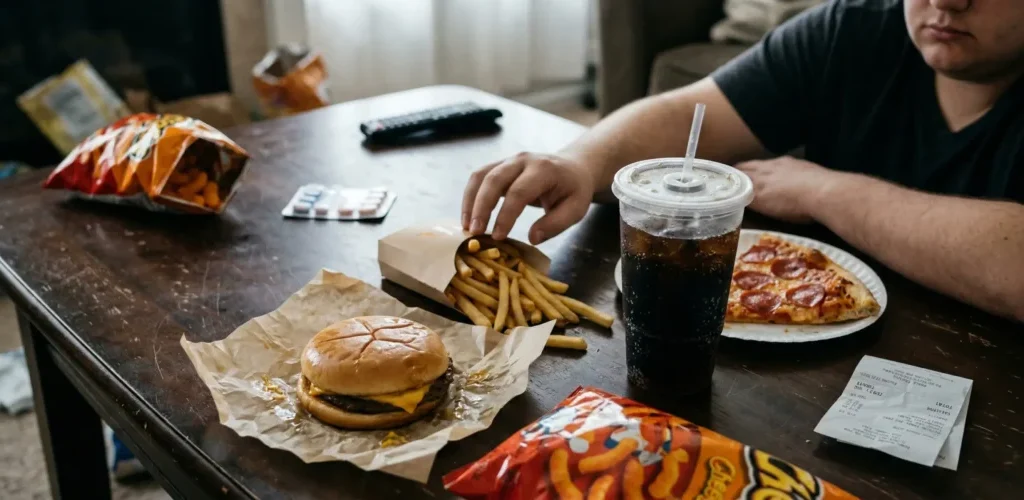
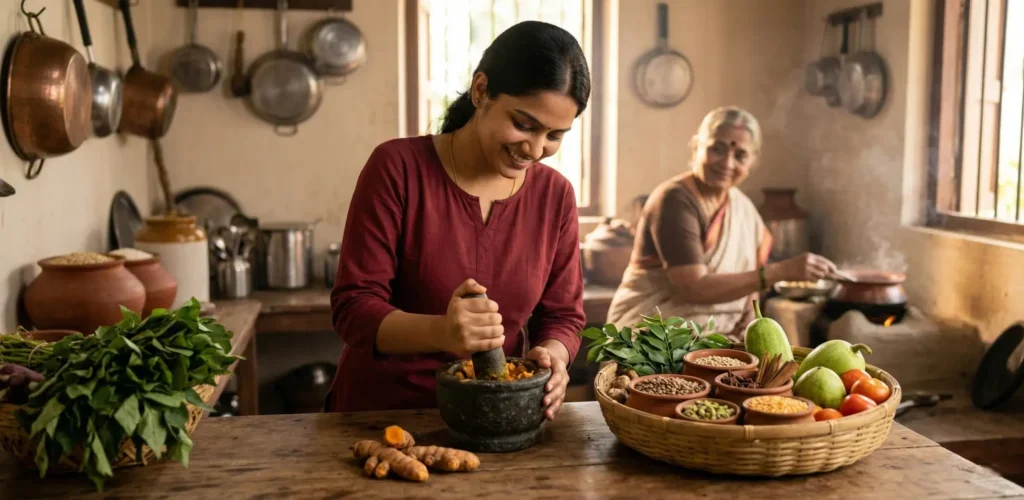
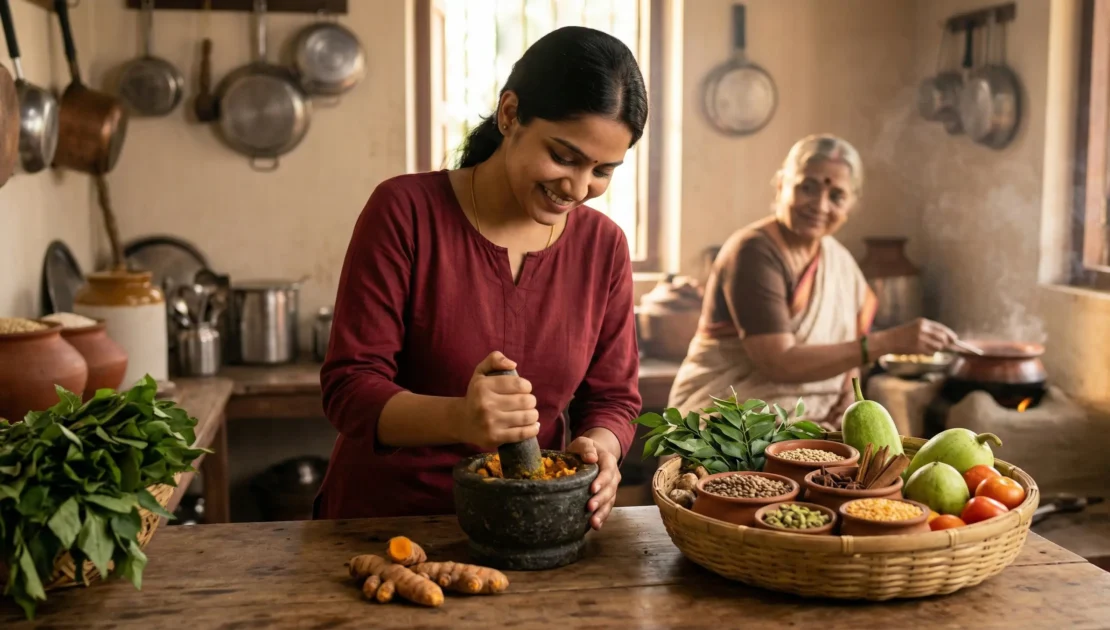
Homemade healthy traditional food

What Junk Food Does to the Body: From Pizza to Deep-Fried Street Snacks

Junk food isn’t just “empty calories.” Frequent consumption of energy-dense, nutrient-poor foods — burgers, pizzas, batter-fried snacks, oily chips, and maida-heavy fast foods — is strongly linked to obesity, insulin resistance, type-2 diabetes and cardiovascular disease. These foods are engineered for mouthfeel and reward: high fat, high refined carbohydrate, and excess sodium. Over time they shift appetite regulation and metabolic health in the wrong direction.

Specific local culprits:

  • Maida (refined wheat flour) items — wraps, bhaturas, many fried snacks — are quickly digested, spike blood sugar, and lack fibre and essential nutrients. Replacing maida with whole-grain or millet flours lowers glycemic load and preserves nutrients.

  • Deep-fried foods and reused oils create oxidized lipids and trans-like compounds linked to inflammation and heart disease. Regular consumption raises long-term risk.

Social consequences:

  • Cheap, tasty, convenient junk food becomes the default for children and youth in busy homes — the cumulative effect shows up in rising obesity and metabolic disease rates.

Side effects of Junk Food

Hidden Dangers in Modern Junk & Street Food

Addictive Taste Engineering

Flavor enhancers, MSG, artificial seasoning powders, and chemical additives are designed to create “bliss points” that make junk food highly craveable. Frequent exposure can encourage overeating, disrupt metabolism, and lead to long-term dependency on ultra-processed foods.

Hidden Chemicals & Long-Term Risks

Many processed foods contain preservatives, artificial colors, and flavoring agents that may contribute to inflammation and metabolic imbalance when consumed regularly. Over time, such dietary patterns increase risks of obesity, diabetes, and heart-related issues.

Street Food & Hygiene Awareness

Beloved snacks like pani puri and chaat can pose health risks when hygiene is compromised. Contaminated water, reused sauces, and poor storage may lead to foodborne illnesses. Awareness and safer preparation practices are essential for long-term well-being.

Gut, Mood, Motivation: How Food Shapes Mental Health and Addiction Pathways

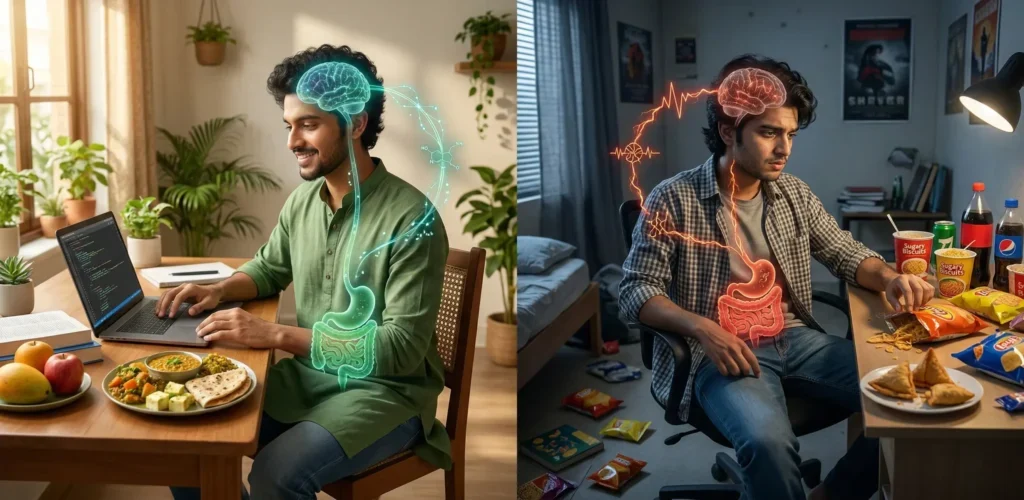
Modern neuroscience and microbiome science show that the gut communicates with the brain: gut microbes affect production and availability of neurotransmitters and neuromodulators such as serotonin, dopamine and GABA. A diet high in ultra-processed foods and low in fibre alters gut microbiota composition, which can change inflammatory signals and neurochemical balance linked to mood, anxiety, cognition, and motivation. This helps explain why dietary quality can influence mental health and why poor diets are associated with rising anxiety and depressive symptoms among youth.

Junk-food addiction is a real behavioural pattern: engineered reward, fast energy spikes, and blunted satiety signals combine to increase consumption and make dietary change harder. Restoring whole-food patterns improves gut diversity, stabilizes blood sugar, and supports better mood regulation. Practical steps include increasing prebiotic fibre (legumes, greens, whole grains), fermented foods (yogurt, buttermilk, fermented millets where culturally appropriate), and reducing refined sugars.

“When food becomes artificial, health becomes fragile — returning to natural, home-grown nourishment is returning to balance”
Gut and mental health after consuming different foods

Roots & Remedies: Return to Traditional Diets to Protect Future Generations

Our ancestors ate seasonally, fermented, and prioritized whole grains, pulses, vegetables, and modest animal products. Those patterns supported gut health, steady energy, and intergenerational learning about food. If junk-food trends continue, we risk rising chronic disease, impaired cognition in children (linked to poor early nutrition), and escalating healthcare burdens for future generations.
What we can do today:
-Home gardens and kitchen gardens: plant millets, greens, native vegetables and herbs.
-Teach children simple cooking skills and the pleasures of unprocessed food.
-Replace one processed snack per week with a home-made alternative (baked spiced chickpeas, roasted millet murukku, fruit + roasted nuts).
-Support “food as medicine” initiatives and local producers who use regenerative agriculture — healthier soil produces healthier food.
Traditional Food and cooking methods

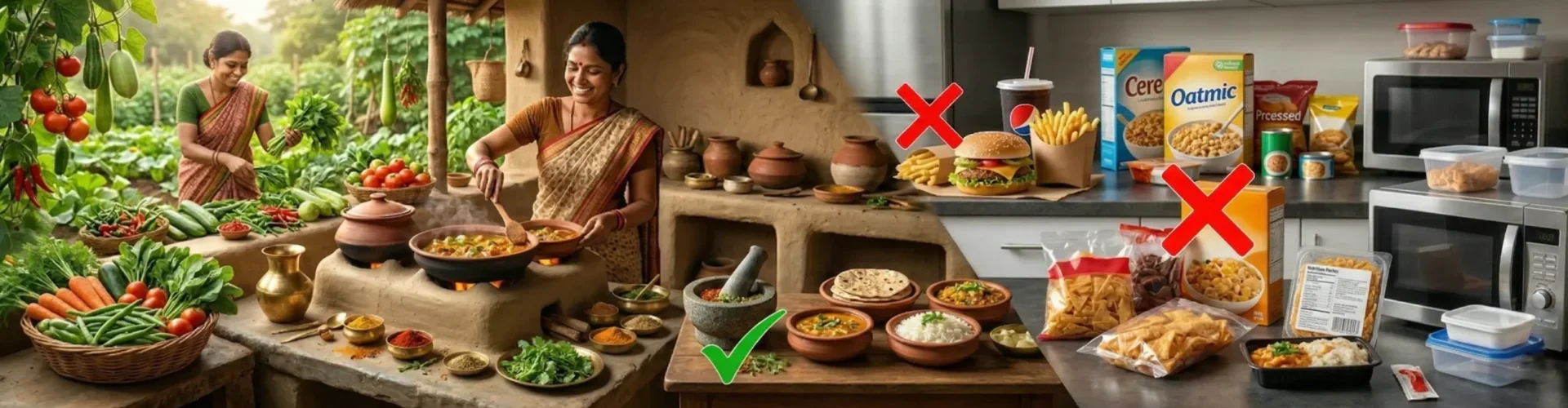
Back to real nourishment and balance

Our ancestors thrived on seasonal, simple foods grown from the soil. Returning to those habits is not going backward — it is moving toward a healthier future.

What We Feed Today Defines Tomorrow

Rising junk food addiction and chemical-laden diets are shaping a fragile future. By choosing natural, home-grown foods, we rebuild balance — physically, mentally, and socially — for the generations to come.

Frequently Asked Questions

Q. Is one pizza or pani puri once in a while harmful?
A. Occasional treats are fine. The problem is chronic and frequent consumption of ultra-processed items that displace whole foods.

Q. Are all additives dangerous?
A. Not all — but frequent exposure to flavor enhancers, artificial sweeteners, and highly refined ingredients is linked to overeating and metabolic stress. Moderation and whole-food choices are safer.

Q. Can growing a small kitchen garden really make a difference?
A. Yes — even a few pots of greens and herbs increase vegetable intake, variety, and fibre — all of which benefit gut and metabolic health.

Q. What are easy swaps for maida items?
A. Use millet or whole-wheat flours, make dosa or rotis from mixed grains, or bake snacks instead of deep frying.