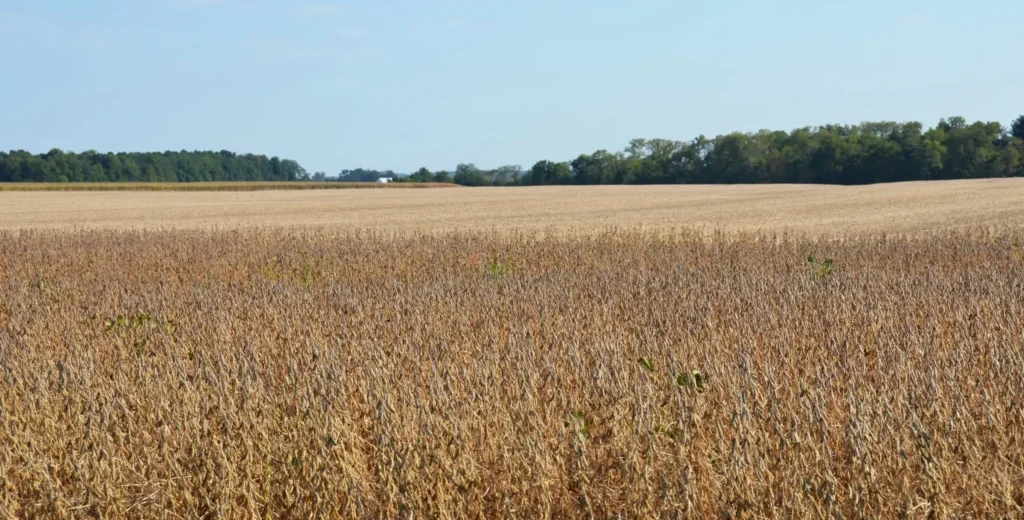
1. Which crops are commonly grown around ChukkiMane during the monsoon?
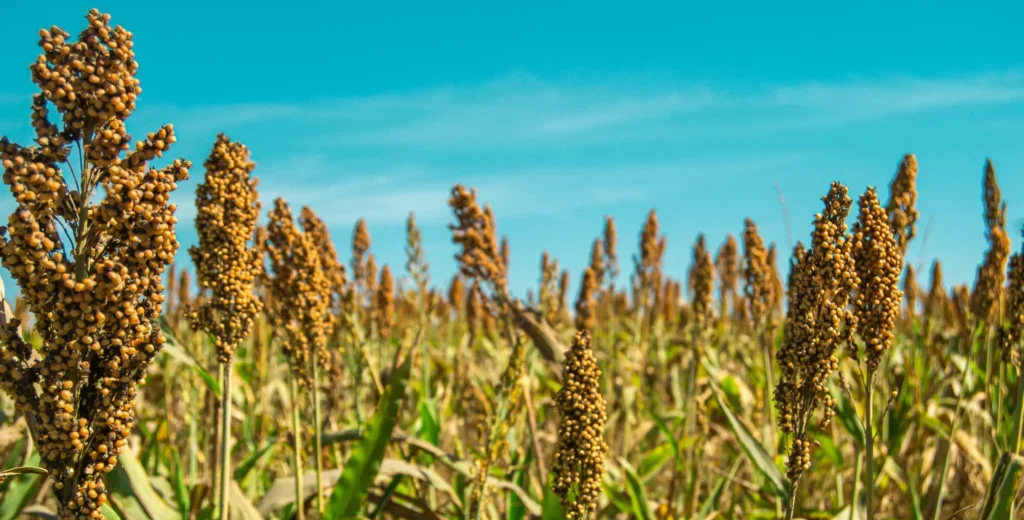
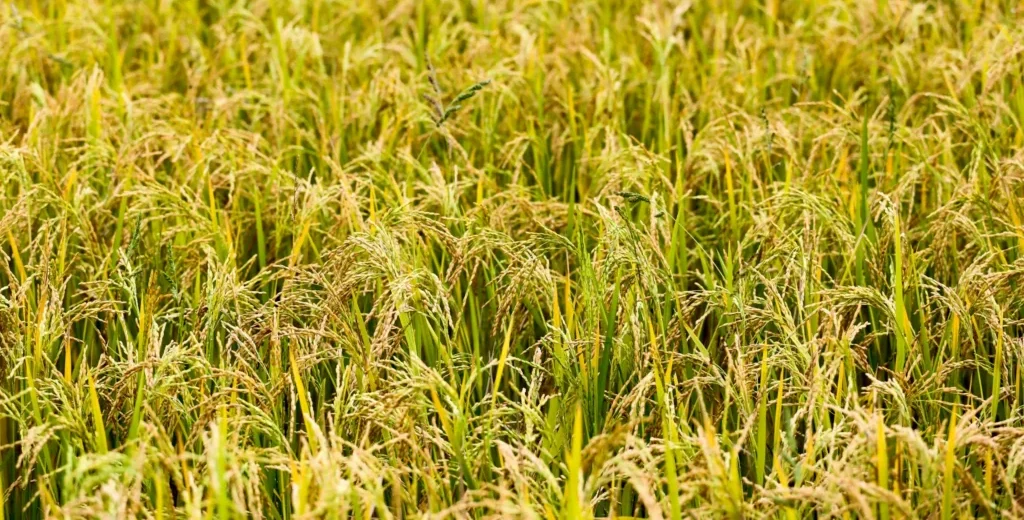
Farmers typically cultivate paddy, ragi, jowar, millets, pulses, oilseeds, vegetables, turmeric, and chilli depending on rainfall and soil conditions.
2. Why are millets widely grown in Karnataka?
Millets require less water, tolerate changing weather conditions, and provide excellent nutritional value, making them ideal for sustainable farming.
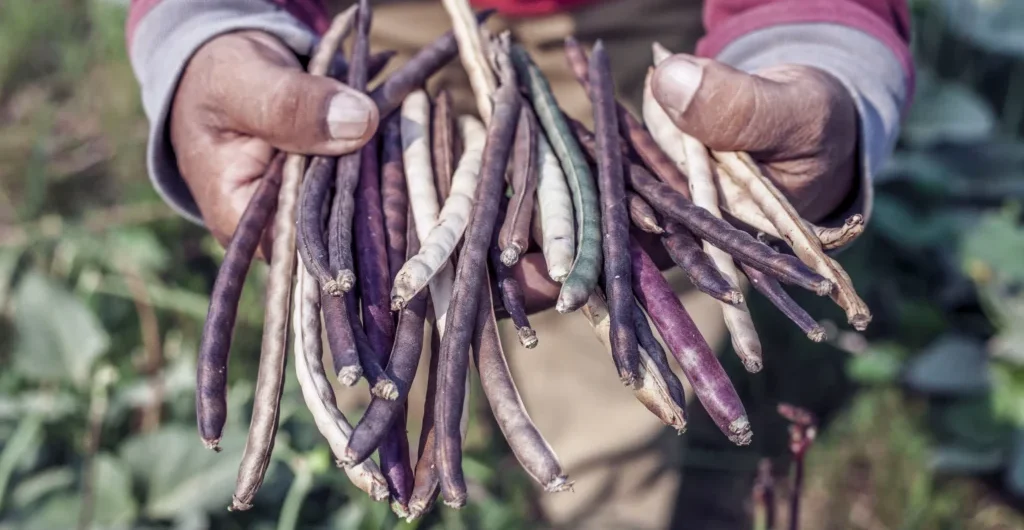
3. Which legumes grow during the rainy season?
Green gram, black gram, horse gram, cowpea, and red gram are among the common monsoon legumes.
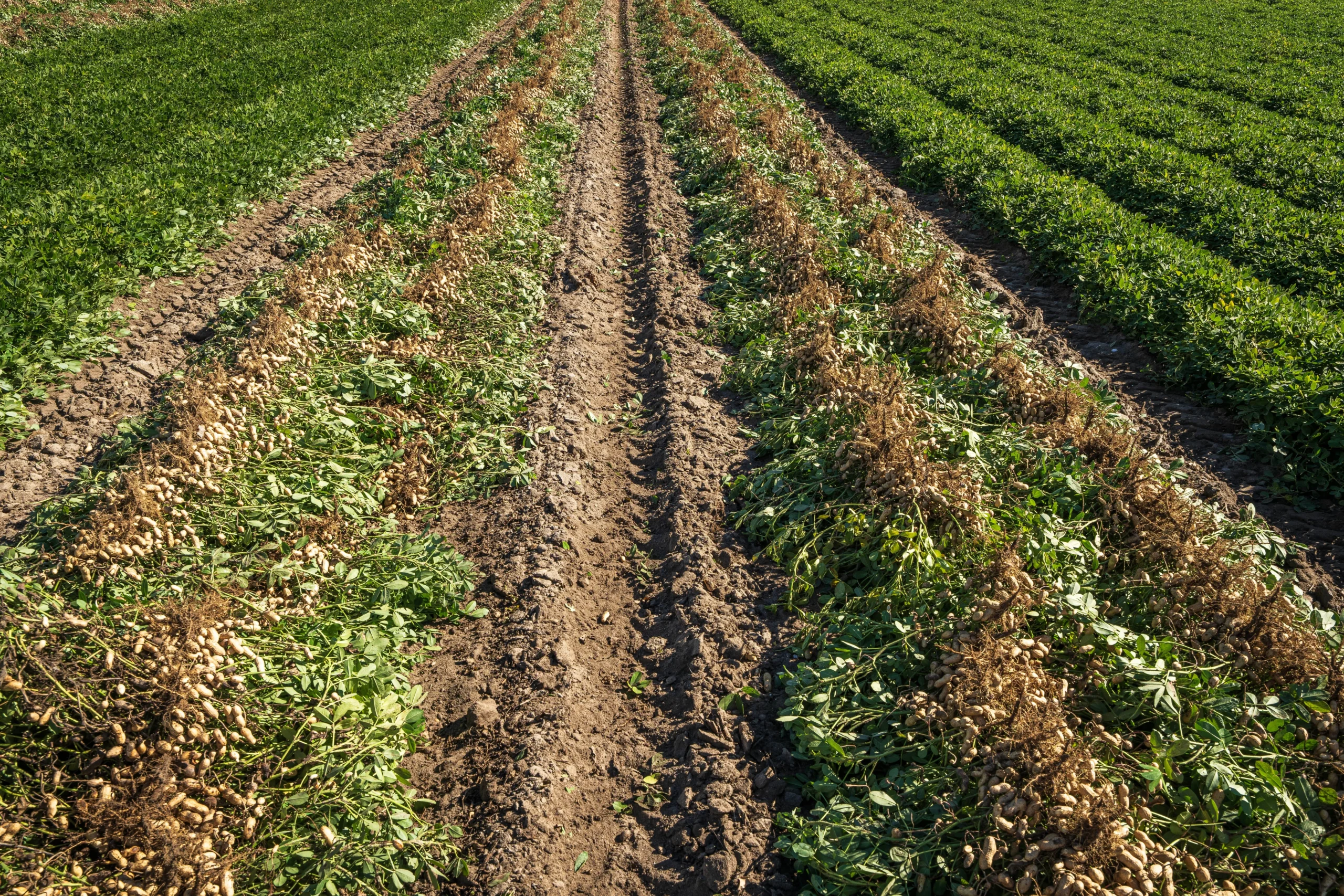
4. What oilseed crops can visitors see near ChukkiMane?
Groundnut, sesame, sunflower, castor, and niger seed are commonly cultivated depending on seasonal conditions.
5. Why is crop diversity important for farmers?
Growing different crops improves soil fertility, reduces farming risks, supports biodiversity, and ensures balanced nutrition.
6. Can visitors experience local farming during their stay?
Yes. During the monsoon, guests can witness lush agricultural fields, seasonal cultivation, and the beautiful rural landscape surrounding ChukkiMane.
7. When is the best time to visit for monsoon farming?
From June to September, when the countryside is at its greenest and fields are actively being cultivated.