1. How do plants know when the monsoon is approaching?
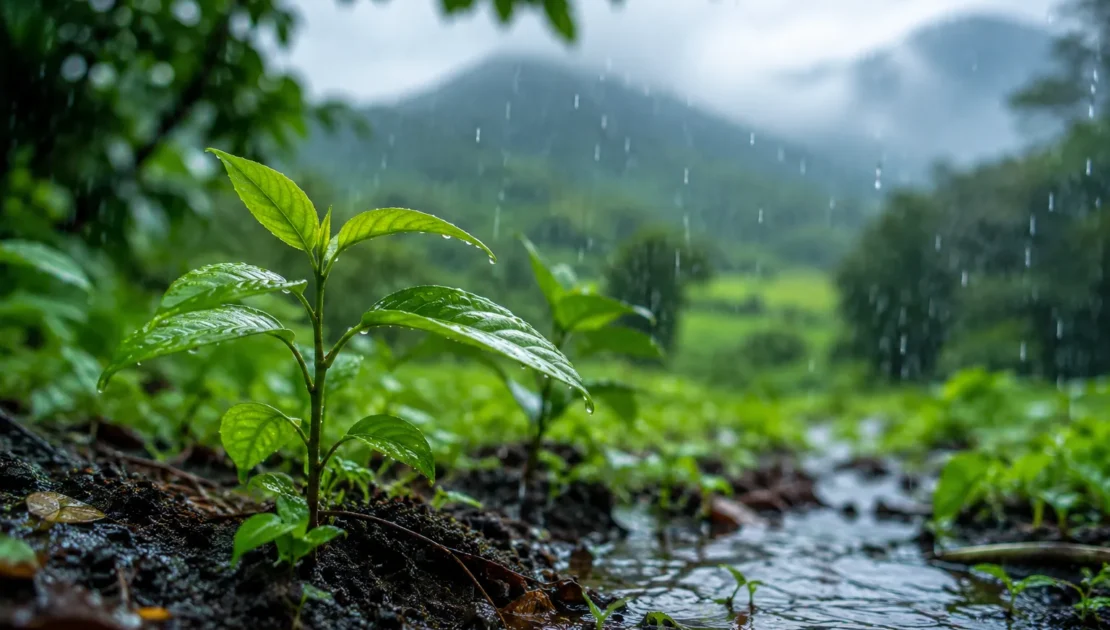
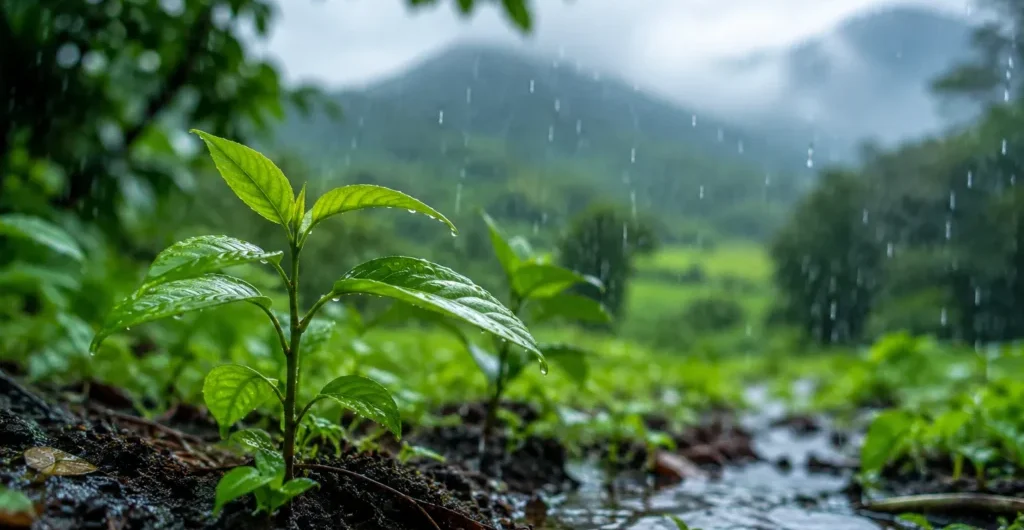
Plants respond to environmental changes such as humidity, temperature, daylight, and soil moisture even before rainfall begins.
2. Why do plants grow faster during the monsoon?
Increased water availability, improved nutrient absorption, and favorable temperatures accelerate growth.
3. What changes can visitors observe during the monsoon at ChukkiMane?
Guests often notice greener landscapes, new plant growth, blooming flowers, increased bird activity, and richer biodiversity.
4. Why do leaves become greener after rain?
Water improves nutrient transport and chlorophyll production, making leaves appear healthier and greener.
5. Does monsoon benefit all plants equally?
Different plants respond differently, but most native species experience significant growth during the rainy season.
6. Why is the monsoon important for biodiversity?
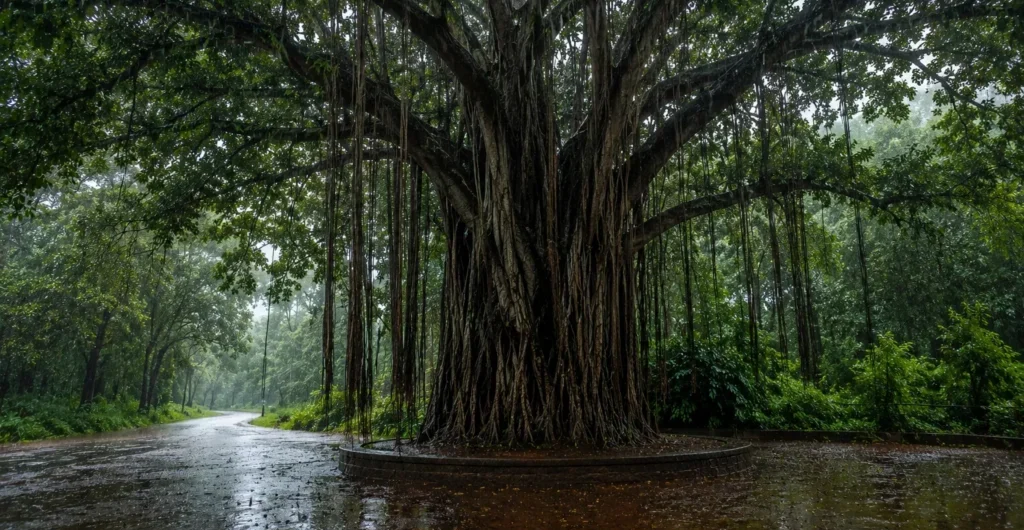
It provides water, food, and shelter for countless species, supporting a thriving ecosystem.
7. Is ChukkiMane a good place to experience monsoon nature?
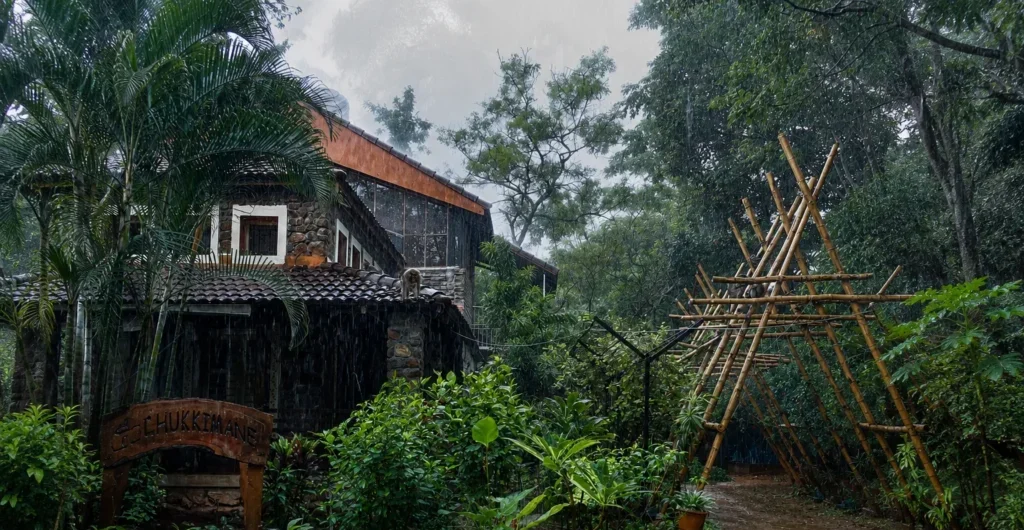
Yes. The surrounding greenery, natural habitats, birdlife, and seasonal changes make it an excellent destination to witness nature’s monsoon transformation.