
facebook
  • ChukkiMane
  • No Comments
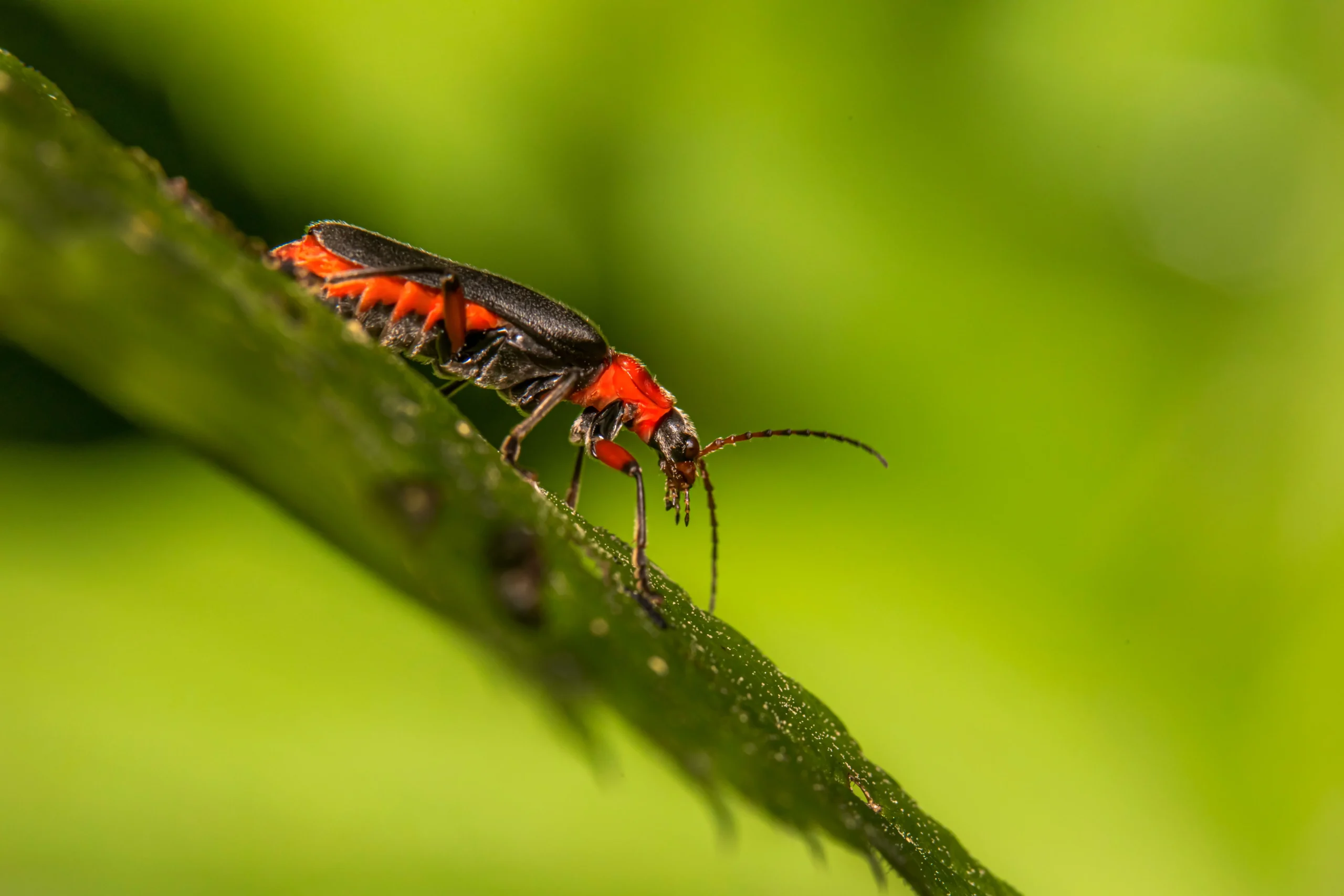
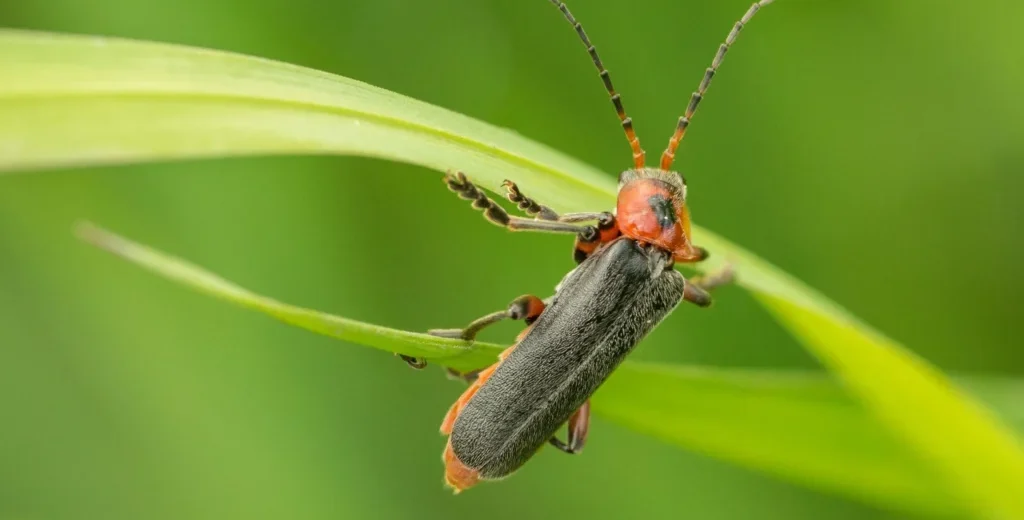
A firefly on a plant during day time

When the Forest Lights Up: The Magical Story of Fireflies During Monsoon

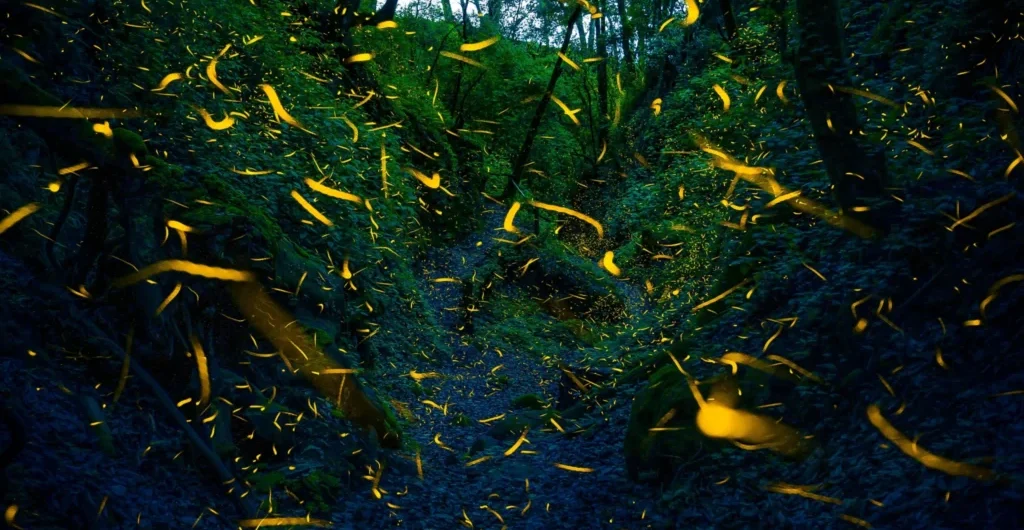
Wide forest trail illuminated by firefly trails.

The Magical Story of Fireflies During Karnataka's Monsoon

ChukkiMane, Karnataka
There are moments in nature that photographs can never truly capture.
The first raindrops of Karnataka's monsoon arrive... the scent of wet earth fills the air... frogs begin their evening chorus... and then, almost as if the forest has decided to celebrate, hundreds of tiny golden lights begin to appear among the trees. No electricity. No lanterns. No human hands. Just fireflies, gently illuminating the night with one of nature's most enchanting spectacles. For guests at ChukkiMane, witnessing this magical display is often an unforgettable highlight of the monsoon season. It isn't merely a beautiful sight—it's a reminder that some of nature's greatest wonders reveal themselves only to those willing to slow down and observe.

Why the Monsoon Awakens This Natural Light Show

Fireflies spend much of the year hidden from view. But when the southwest monsoon transforms Karnataka’s forests into lush green habitats, these tiny beetles emerge in remarkable numbers.

The rains bring exactly what fireflies need—cool temperatures, high humidity, rich vegetation, and an abundance of insects. Moist soil provides an ideal environment for their larvae, while dense foliage offers safe places for adults to gather after sunset.

Around ChukkiMane, where forests meet the Kaveri landscape, these conditions come together perfectly. As daylight fades, the trees begin to sparkle with countless moving lights, creating an atmosphere that feels almost dreamlike.

Unlike city lights, this glow is completely natural, silent, and constantly changing, making every evening different from the last.
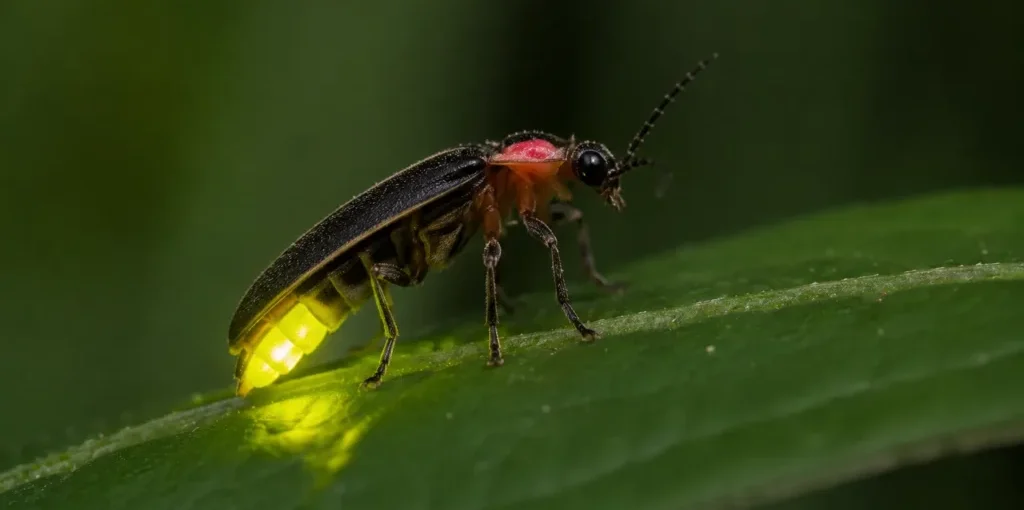
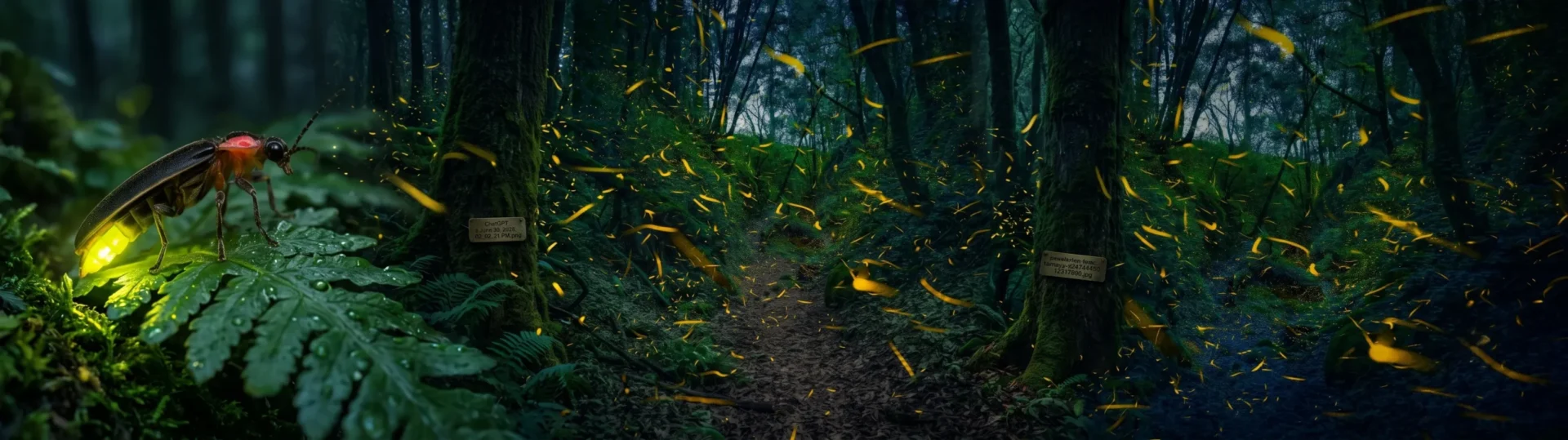
Close-up of a firefly glowing on a fern.

How Do Fireflies Create Their Magical Light?

The glow of a firefly isn’t magic—it’s one of the most efficient natural light-producing systems on Earth.

Inside the lower part of their abdomen is a remarkable biological process called bioluminescence. When oxygen combines with a natural compound called luciferin, aided by the enzyme luciferase, a chemical reaction produces light instead of heat.

Scientists often describe it as “cold light” because nearly all the energy becomes visible light rather than warmth.

For visitors watching from ChukkiMane, it simply appears as hundreds of floating stars dancing through the forest.

Firefly in ChukkiMane

The Secret Messages Hidden in Every Flash

A Language of Light

Every species has its own flashing pattern.

Fireflies communicate entirely through light.

Each blink acts like a unique signature.

Finding the Perfect Mate

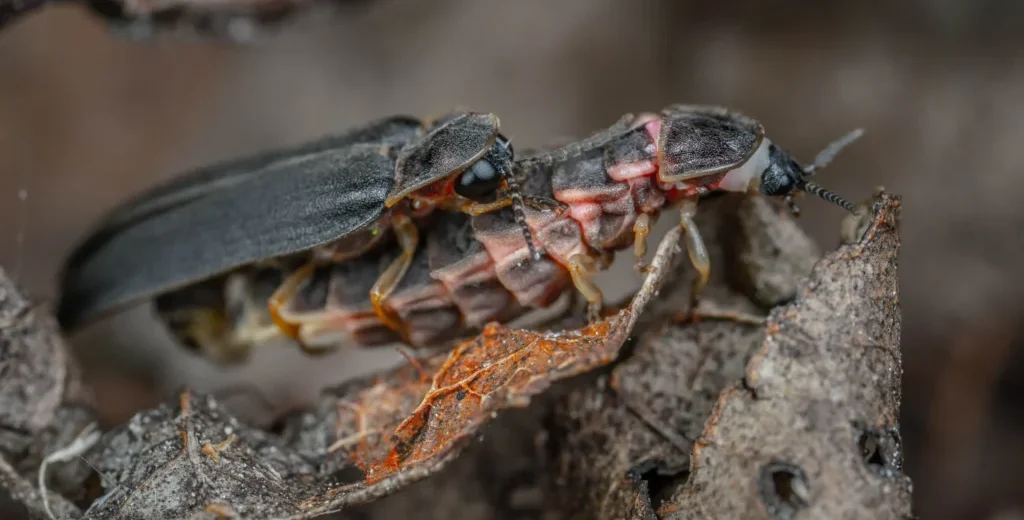
Males fly while flashing rhythmic signals.

Females respond only to their own species.

The synchronized lights create breathtaking displays during monsoon evenings.

Nature's Silent Warning

Their glow also helps protect them.

Bright flashes warn predators that they may taste unpleasant.

Light becomes both communication and survival.

Why Fireflies Are More Than Just Beautiful

A forest full of fireflies is usually a sign of something much deeper—a healthy ecosystem.

These insects thrive only where the environment remains clean, moist, and relatively undisturbed. Excessive artificial lighting, pesticides, pollution, and habitat destruction can quickly reduce their populations.

Their presence around ChukkiMane reflects the richness of the surrounding landscape, where native vegetation, fresh water, and seasonal biodiversity continue to flourish.

“Watching fireflies isn't simply wildlife observation. It's witnessing the health of an entire ecosystem glowing before your eyes.”
Golden firefly trails through a dark, mossy woods.

Experience Karnataka's Most Magical Monsoon Nights at ChukkiMane

Most people spend rainy evenings indoors. At ChukkiMane, the monsoon invites you outside.
  • Imagine walking beneath towering trees after sunset... hearing only the gentle sounds of rain and crickets... and suddenly finding yourself surrounded by hundreds of tiny living lights floating through the darkness.
  • It's a moment that makes you stop talking.
  • It makes you slow down.
  • And it reminds you that some of the world's greatest light shows don't happen on a stage—they happen quietly, deep within nature.
  • Fireflies together

    Nature's Light Show Begins

    With every monsoon evening, fireflies illuminate the forest, creating a magical spectacle that can only be experienced in nature.

    Tiny Lights. Timeless Wonder.

    Every glowing firefly is a reminder of a healthy forest. During the monsoon, ChukkiMane's nights come alive with nature's most magical light show.

    Frequently Asked Questions

    1. When can I see fireflies at ChukkiMane?

    Fireflies are most commonly seen during Karnataka’s monsoon season, especially after light evening rains.

    2. Why do fireflies glow?

    They glow through a natural process called bioluminescence, primarily to communicate and attract mates.

    3. Is the light produced by fireflies hot?

    No. Fireflies produce “cold light,” making their glow one of nature’s most energy-efficient lighting systems.

    4. Are fireflies dangerous to humans?

    No. Fireflies are harmless and are fascinating insects to observe in their natural habitat.

    5. Why are fireflies more common during the monsoon?

    The rains create cool, humid conditions with abundant vegetation, providing ideal breeding and feeding environments.

    6. Do all fireflies flash in the same way?

    No. Every species has its own unique flashing pattern that helps individuals recognize potential mates.

    7. What does seeing many fireflies indicate about the environment?

    Large firefly populations usually indicate a healthy ecosystem with clean surroundings, good vegetation, and minimal pollution.