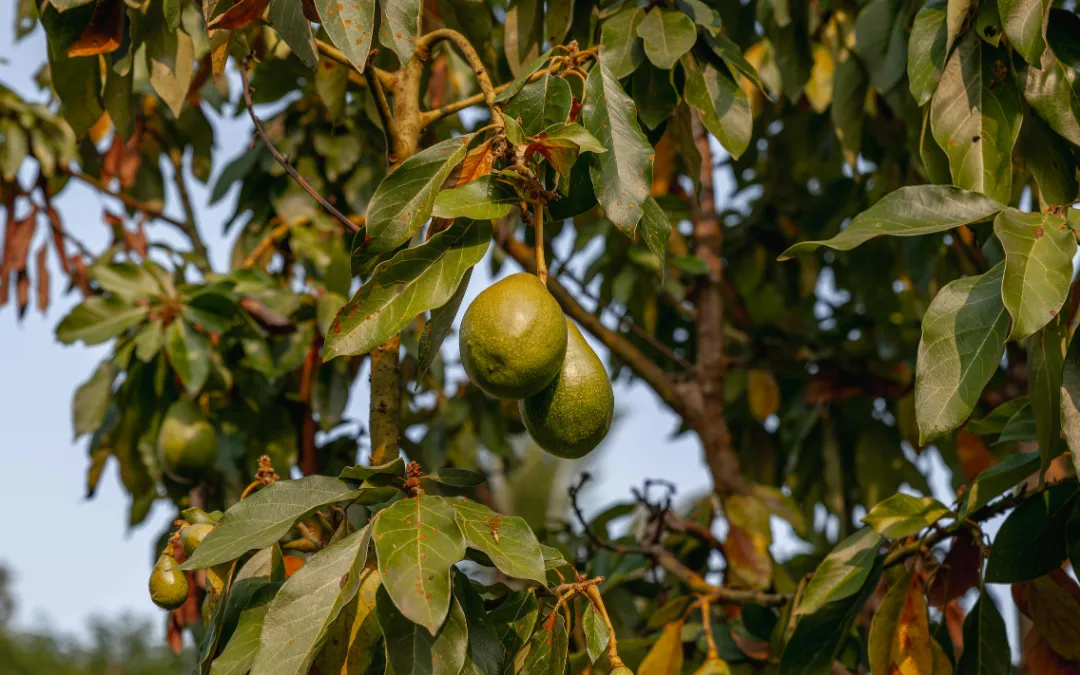
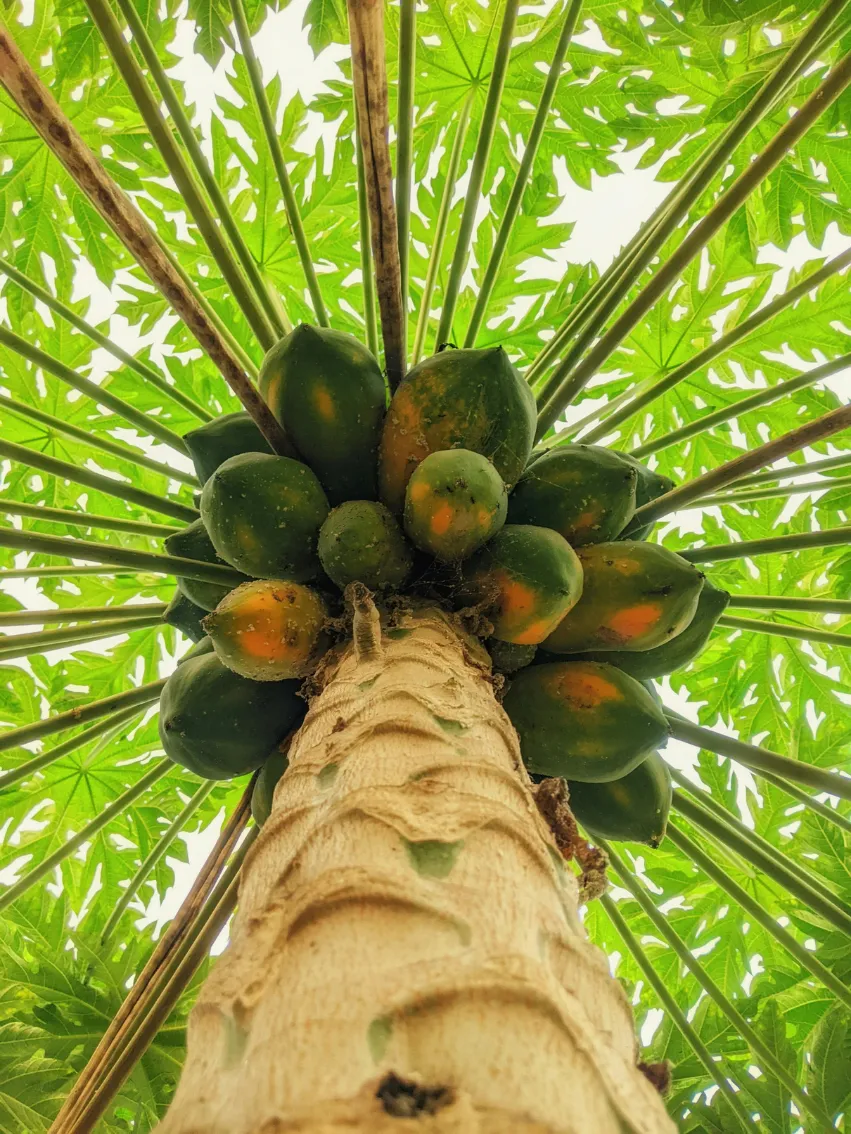
1. Canopy layer
Tall trees form the upper roof, providing shade, habitat, and potentially fruits or nuts.



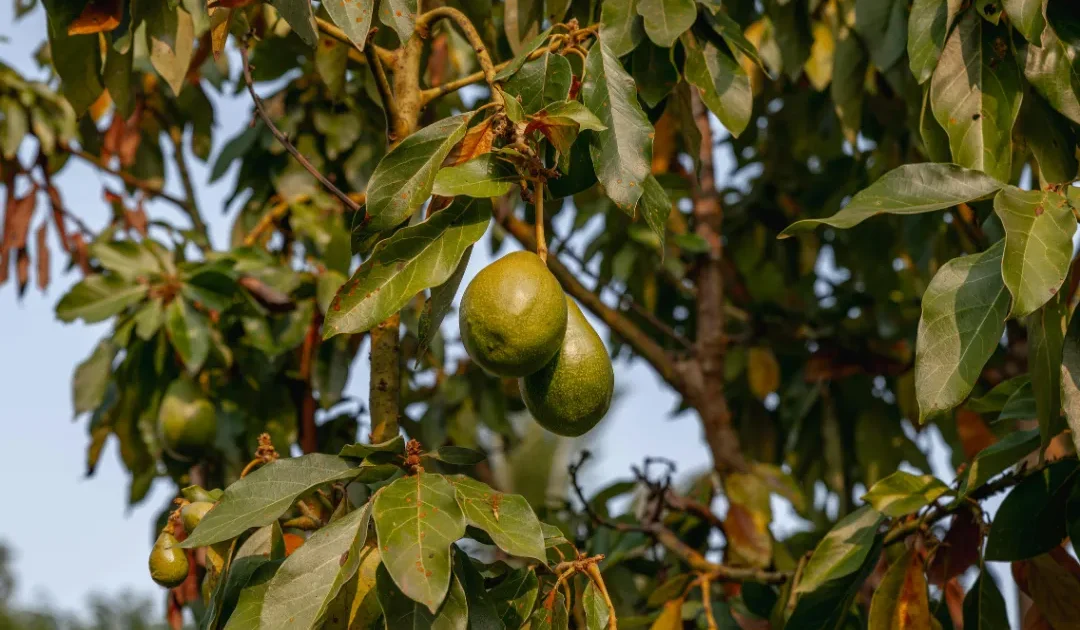
What if a forest could feed you, protect the soil, shelter wildlife, and grow stronger with time — all at once?
Nature has been perfecting this remarkable system for thousands of years. Discover the fascinating world of food forests, where seven layers of plants work together to create a living ecosystem. From towering trees to hidden roots, every layer has a purpose — and every small detail tells a bigger story about sustainable living.
Discover Nature’s Hidden Design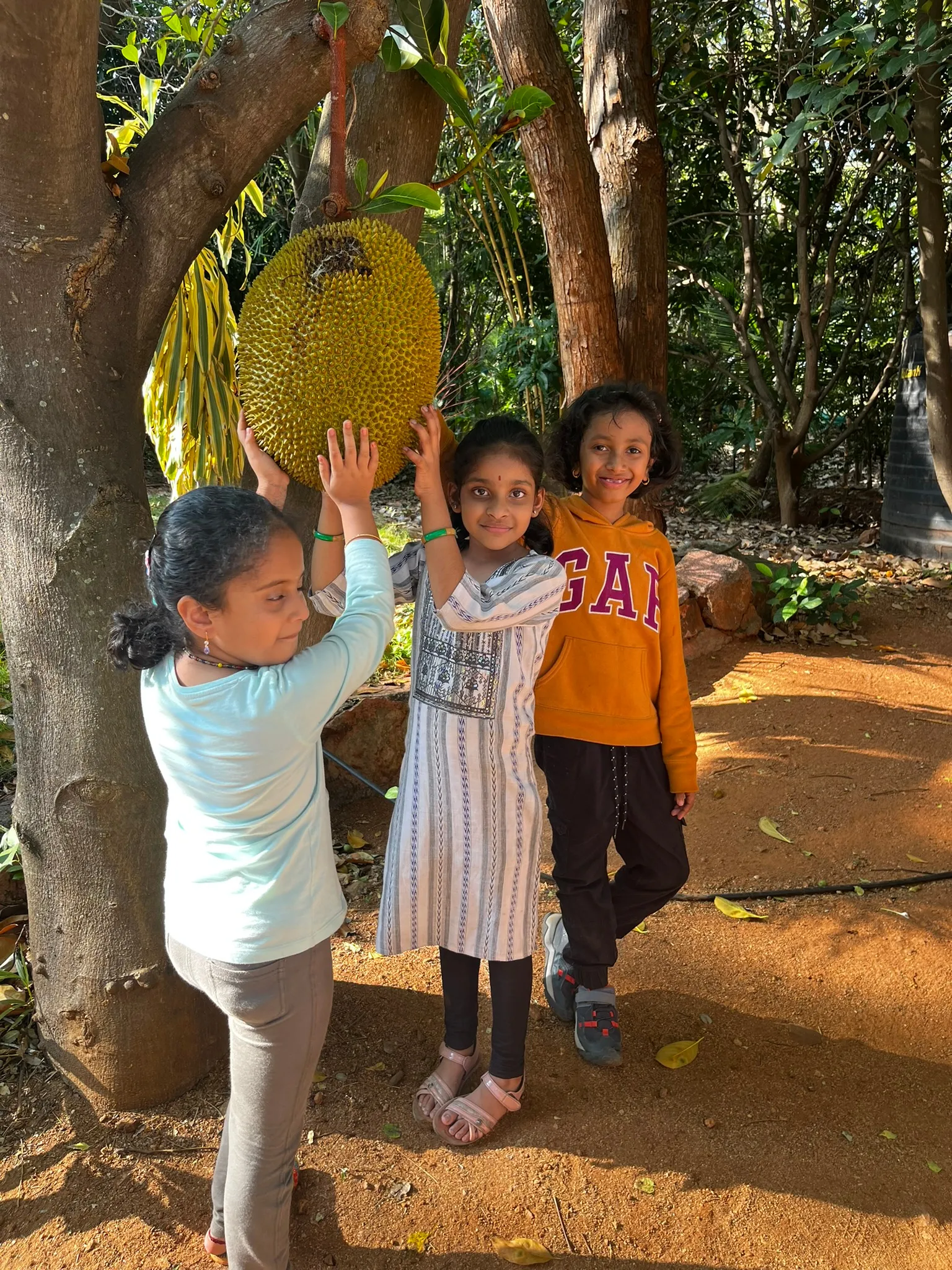
BEGIN WITH CURIOSITY
Imagine walking beneath a canopy of trees, picking a ripe fruit, brushing past fragrant herbs, and noticing tiny plants covering the soil beneath your feet. Birds move between branches, insects visit flowers, and fallen leaves slowly return their nutrients to the earth. Everything has a place, and nothing exists in isolation.
This is the idea behind a food forest, also known as a forest garden. Unlike a conventional garden that often grows crops in separate rows, a food forest brings together different kinds of useful plants in a layered arrangement inspired by natural forests. Fruit trees, shrubs, herbs, groundcovers, root crops, and climbers occupy different spaces and can support one another when carefully planned.
The beauty lies in how these plants work as a community. Some provide shade, others attract pollinators, and many produce fruits, leaves, seeds, or roots for people and wildlife. Over time, a thoughtfully designed food forest can become more than a source of food — it can become a thriving habitat that supports biodiversity and healthier soil.
At ChukkiMane, this way of looking at nature connects beautifully with the idea of sustainable living: understanding our surroundings, appreciating natural resources, and discovering how everyday choices can help us live more thoughtfully.
Nature has been perfacting remarkble system for thousands of years.
THE ADVENTURE BEGINS
Walk through a natural forest and look carefully. The tallest trees receive the sunlight above, smaller trees grow beneath them, shrubs occupy the spaces in between, and low-growing plants spread across the forest floor. Below the surface, roots explore the soil, while climbers use available structures to reach the light.
A food forest uses this vertical arrangement to make better use of available space. Instead of asking a single patch of land to do just one job, it allows plants with different growth habits to occupy different niches. The result can be a diverse, productive landscape that provides food while supporting soil protection, nutrient cycling, water management, and wildlife habitat.
But here is the interesting part: seven layers do not mean seven rigid rules. A successful food forest depends on the local climate, soil, rainfall, available sunlight, and the needs of individual plants. Not every garden needs all seven layers, and plants must be chosen so they complement rather than overcrowd one another.
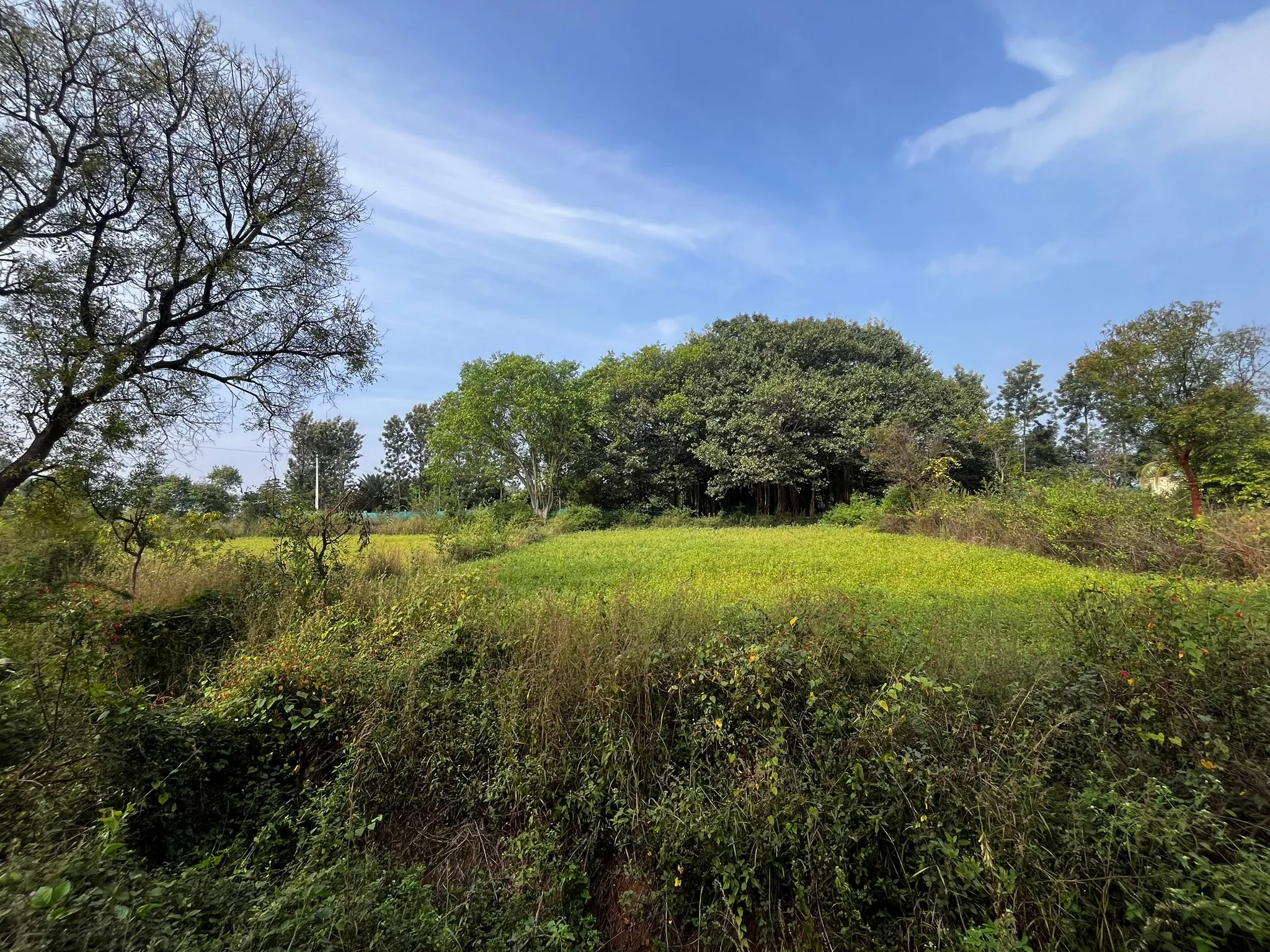
READ THE LANDSCAPE
A food forest is like a natural team, with each layer contributing something different. Let’s explore the seven layers through three simple groups.
Tall trees form the upper roof, providing shade, habitat, and potentially fruits or nuts.
Smaller trees grow beneath or beside the tallest trees, adding another level of food production.
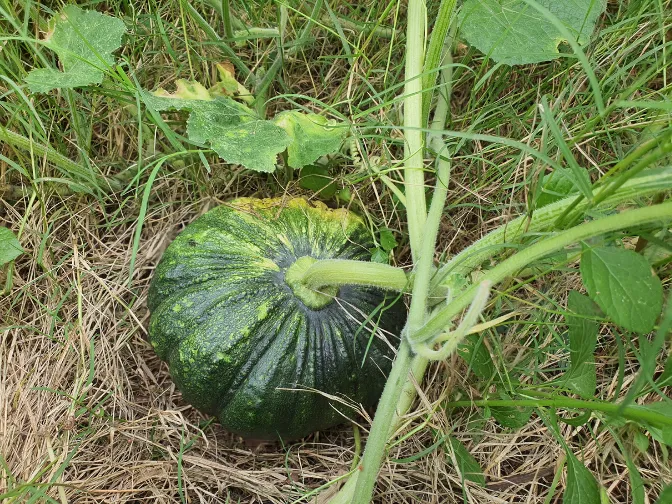
Vines such as passion fruit use suitable trellises or supports to grow upwards and make use of vertical space.
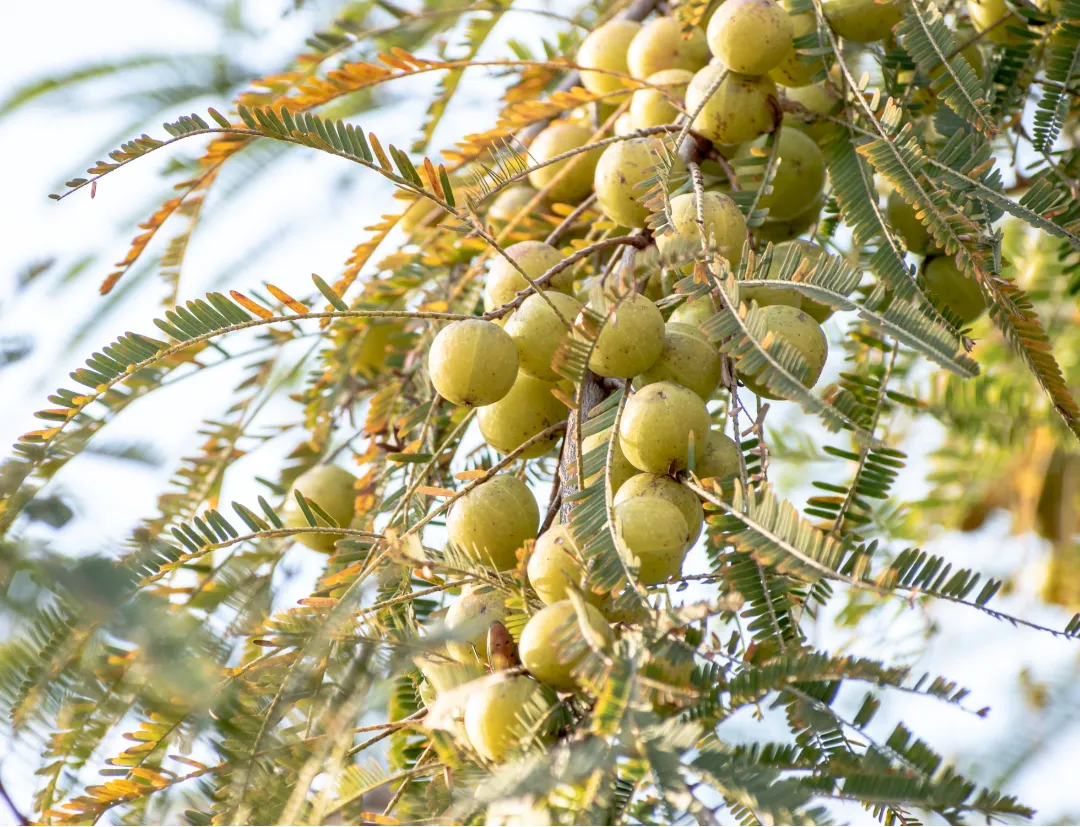
Berry bushes and suitable fruiting shrubs provide food, shelter, and habitat for small wildlife.
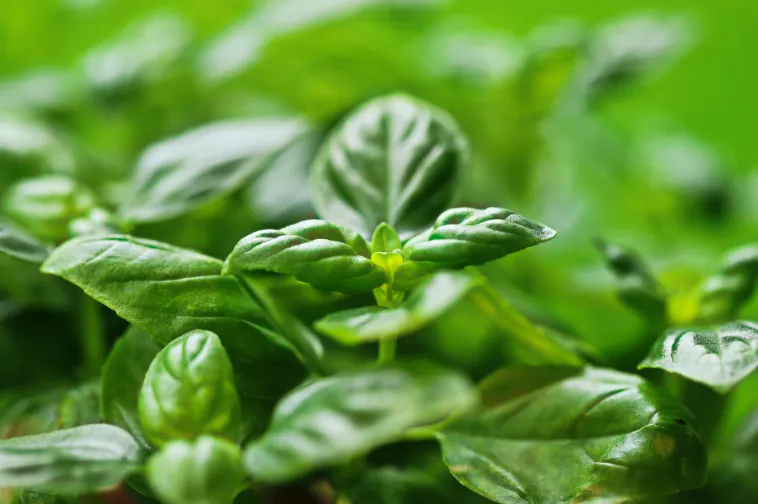
Herbs, leafy plants, and flowering plants can supply edible leaves, useful biomass, and resources for pollinators.
Low-growing plants cover the soil, help reduce erosion, and limit bare patches where weeds might establish.
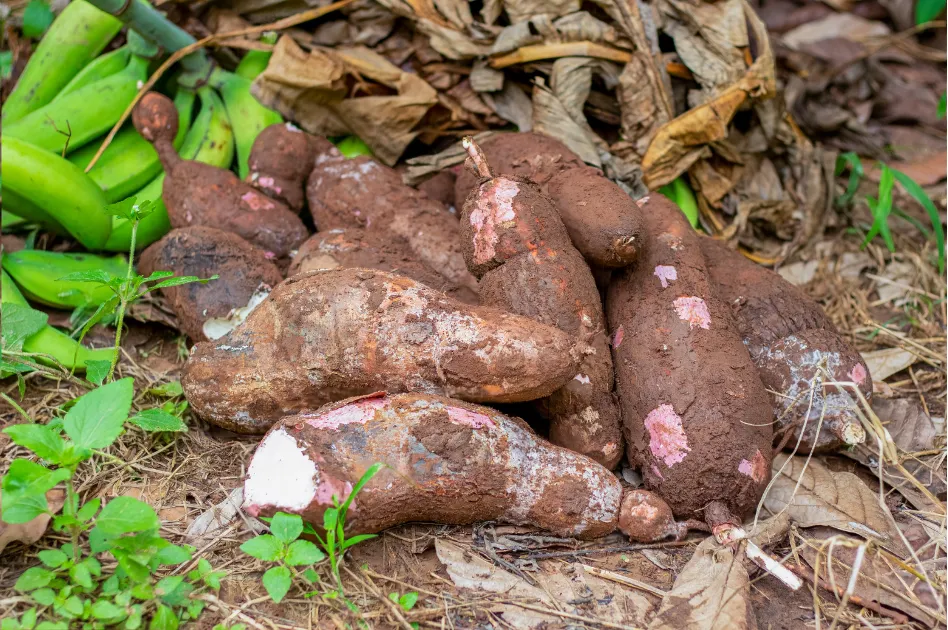
Root crops and underground plant systems use the soil beneath the surface, while roots help anchor plants and contribute to soil structure.
Plant examples are illustrative. The right species for a food forest depend on local growing conditions. The seven-layer model is a design framework, not a requirement to plant every layer.
MAKE IT YOUR STORY
The magic of a food forest goes far beyond harvesting fruit. When different plants grow together in a well-designed system, they can provide a variety of benefits that extend from the soil to the surrounding wildlife.
A diverse mix of plants can create food and shelter for birds, insects, and other organisms. Groundcover and leaf litter help protect the soil, while roots and decomposing organic matter contribute to nutrient cycling. Trees and other vegetation can also help manage rainwater and create cooler, shaded spaces. These benefits depend on the species planted, the site, and how the system is maintained.
There is also a lesson in patience. Unlike a vegetable patch that may produce a harvest within a season, trees and other perennial plants can take years to establish. A food forest grows and changes over time, requiring thoughtful planting, pruning, and care. Its greatest value is not just in what it produces today, but in the living system it can build for the future.
And perhaps that is the most beautiful part: a food forest invites us to think beyond immediate results. It encourages us to see food production, environmental care, and biodiversity as parts of the same story.
Sometimes, the best way to understand nature is to slow down and experience it. Watch how sunlight filters through the trees, notice the variety of plants around you, listen to the birds, and look at the ground beneath your feet. What may first appear to be a collection of plants begins to reveal itself as a network of relationships.
At ChukkiMane, the spirit of rural living and a closer connection with nature offers an opportunity to appreciate these simple lessons. A nature-focused getaway can inspire you to rethink how you grow food, use resources, care for the environment, and bring more greenery into everyday life.
You do not need acres of land to begin. A few suitable fruit plants, herbs, groundcover, and a thoughtful approach to soil care can be a starting point for a more diverse garden. The idea is not to recreate a forest overnight, but to learn from nature and make choices that suit your space.
Come with curiosity. Leave with a new way of seeing nature. Your next visit to ChukkiMane could be an opportunity to reconnect with the outdoors and discover how small, thoughtful changes can contribute to a more sustainable way of living.
GOOD TO KNOW
1. What is a food forest in simple terms?
A food forest is a garden or growing system designed to imitate the layered structure of a natural forest, using a variety of useful plants to produce food and support a healthy ecosystem.
2. What are the seven layers of a food forest?
The seven commonly described layers are the canopy, sub-canopy, shrub, herbaceous, groundcover, root, and climber layers. Together, they use different levels of space above and below the soil.
3. How is a food forest different from a regular garden?
A regular garden often grows crops in separate beds or rows, whereas a food forest combines different types of plants in a layered arrangement. Food forests typically emphasize perennial plants, biodiversity, and ecological functions alongside food production.
4. What are the main benefits of a food forest?
Food forests can provide fruits, vegetables, herbs, and other useful plants while supporting wildlife habitat, soil protection, nutrient cycling, and water management. The benefits depend on the design, location, and ongoing care.
5. Can I create a food forest in my backyard?
Yes. Even a small backyard can incorporate some food-forest principles, such as combining fruit trees, suitable shrubs, herbs, and groundcover. Choose plants based on your space, sunlight, soil, and climate.
6. Does a food forest need all seven layers?
No. The seven-layer model is a useful planning framework, not a strict rule. Smaller gardens or sites with limited sunlight may work better with fewer layers.
7. Are food forests good for the environment?
Well-designed food forests can support biodiversity, protect soil, improve habitat, and contribute to nutrient cycling and water management. Their environmental impact depends on plant selection, site conditions, and management practices.
8. What can we learn from a food forest when visiting a nature retreat?
A nature-focused visit can help you observe plant diversity, natural growing patterns, and the relationship between food and the environment. These observations can inspire more sustainable gardening and everyday living habits.