
facebook
  • ChukkiMane
  • No Comments
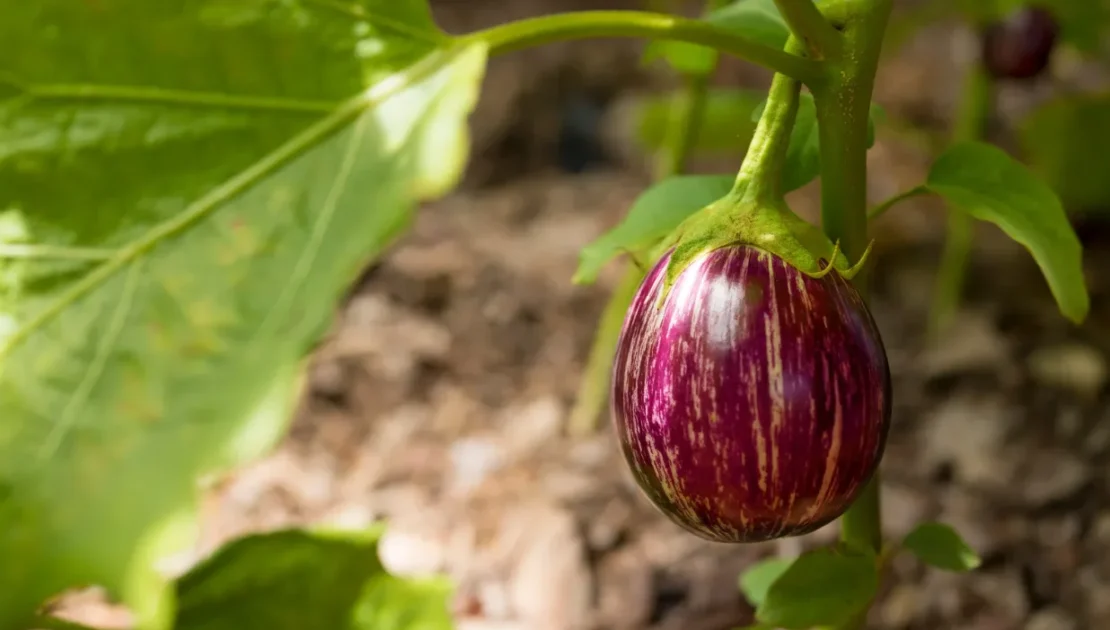
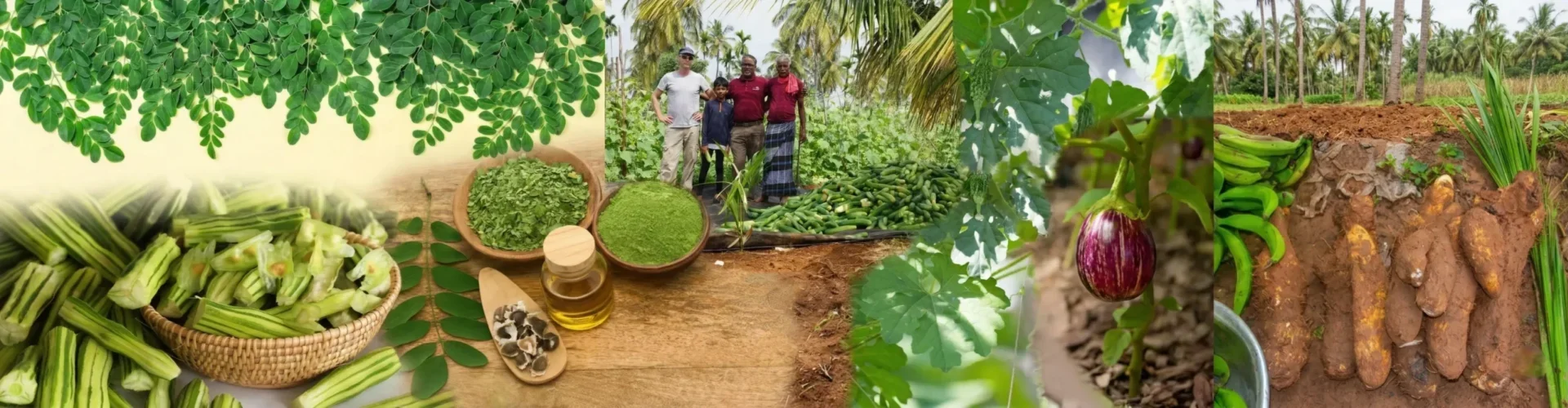
Purple Brinjal on Plant

Understanding Our Traditional Food Wisdom

Native Indian Vegetables

Understanding Our Traditional Food Wisdom

ChukkiMane, Karnataka
India has a long tradition of growing and consuming seasonal vegetables that evolved naturally within its climate and ecosystems. These native vegetables have nourished communities for centuries, supporting health, agriculture, and biodiversity.
However, many vegetables commonly used today — such as potato, tomato, cabbage, cauliflower, and carrot — were introduced to India from other parts of the world several hundred years ago through trade and colonization. While these vegetables have become part of modern Indian cooking, it is important to understand the difference between native vegetables that evolved with local ecosystems and introduced vegetables that were brought later. Learning about this distinction can help us appreciate traditional food systems and make healthier, more sustainable choices in our kitchens.

What Are Indian Native Vegetables?

Native vegetables are plants that have been cultivated and consumed in India for generations. They are naturally adapted to the local climate, soil conditions, and seasonal cycles.

Examples of native vegetables include:

• Moringa leaves (drumstick leaves)
• Amaranth greens (dantina soppu)
• Ridge gourd
• Snake gourd
• Ash gourd
• Bitter gourd
• Cluster beans
• Ivy gourd (tindora)

These vegetables are commonly grown in home gardens, small farms, and traditional agricultural systems.

Because they evolved in local ecosystems, native vegetables generally require:

• Less water
• Fewer chemical inputs
• Greater resistance to local pests

This makes them an important part of sustainable farming and traditional diets in India.
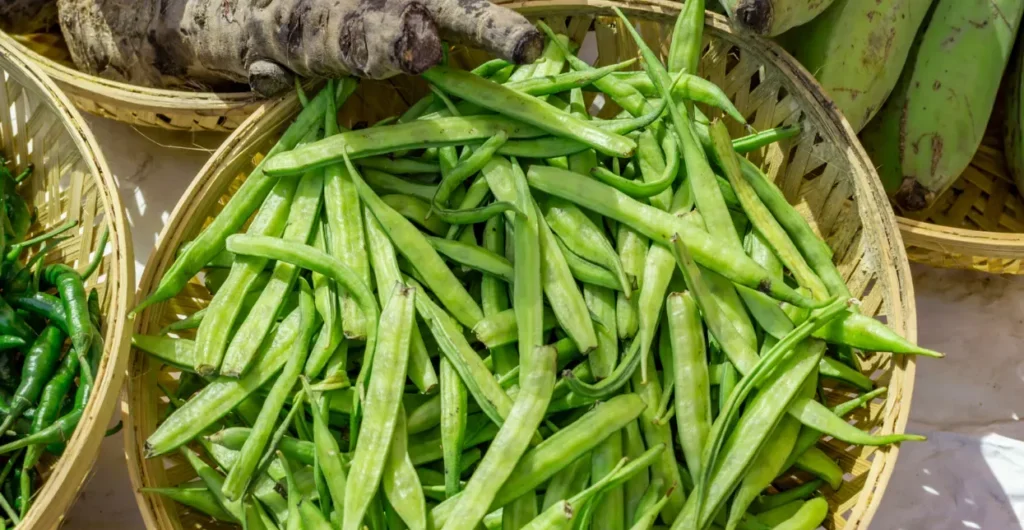
Cluster beans harvested at ChukkiMane

Foreign Vegetables Introduced to India

Many vegetables commonly used in modern Indian kitchens are actually introduced crops that originated in other parts of the world.

For example:

• Potato – South America
• Tomato – South America
• Capsicum – Central America
• Cauliflower – Mediterranean region
• Cabbage – Europe
• Carrot (modern variety) – Central Asia / Europe

These vegetables were brought to India through trade routes and colonial influence during the past 400–500 years.

Over time, Indian cuisine adapted these vegetables into curries, gravies, and street foods.

While they are widely consumed today, many of these crops require:

• More irrigation
• Controlled farming conditions
• Greater pest management

Understanding the origins of these vegetables helps us see how food cultures evolve over time.

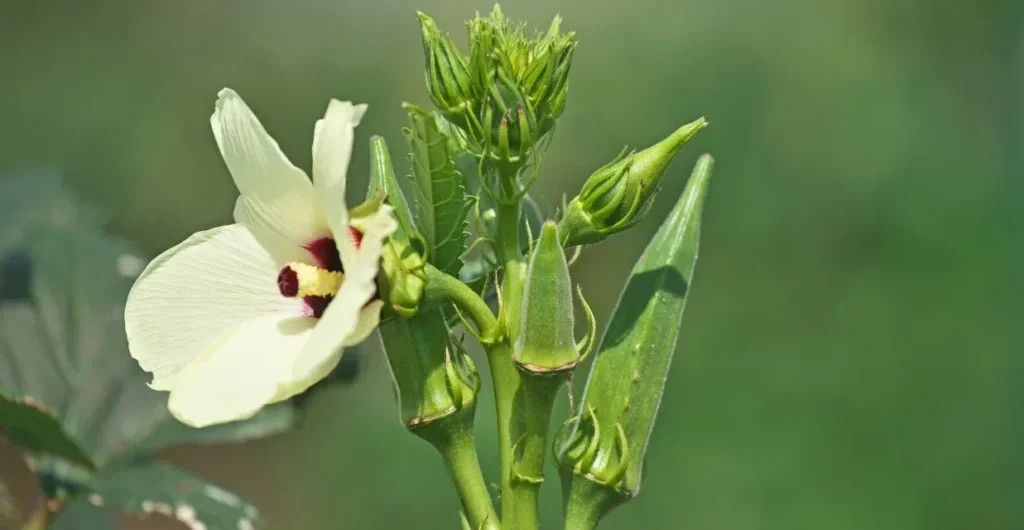
Okra grown in India

Native Vegetables vs Introduced Crops — Understanding the Difference

Adapted to Local Climate

Native vegetables evolved within Indian ecosystems and naturally grow well in local weather conditions. They often require less irrigation and fewer chemical fertilizers. Introduced vegetables may need controlled farming conditions and additional inputs to thrive in Indian climates.

Traditional Nutrition

Many native vegetables were traditionally included in everyday Indian meals because of their high nutritional value. Seasonal gourds, leafy greens, and local vegetables provided vitamins, minerals, and fiber that supported digestion, immunity, and balanced diets.

Biodiversity & Sustainable Farming

Native vegetables help protect biodiversity and preserve traditional seed varieties. Their cultivation supports diverse cropping patterns, while large-scale farming of introduced vegetables can sometimes lead to monocropping and reduced agricultural diversity.

Health Benefits of Traditional Indian Vegetables

Traditional Indian vegetables are valued not only for their taste but also for their health benefits.

Many native vegetables contain:

• Natural antioxidants
• High fiber content
• Essential vitamins and minerals
• Anti-inflammatory compounds

For example:

• Bitter gourd helps support blood sugar balance
• Moringa leaves provide rich micronutrients
• Ash gourd supports digestion and cooling during summer
• Ridge gourd supports gut health

“Traditional food systems were designed to include a wide range of seasonal vegetables to maintain overall health and balance”
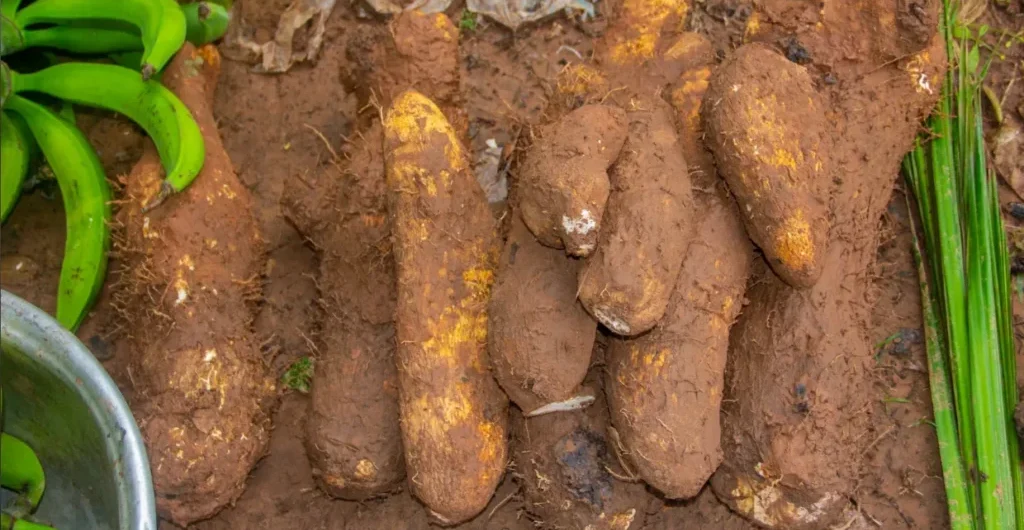
Fresh Yam harvest

Returning to Seasonal and Local Food Wisdom

Modern food systems often focus on convenience and globalized crops. However, many nutritionists and environmental experts now encourage a return to local, seasonal foods.
Choosing native vegetables helps:
• Support local farmers
• Preserve traditional agriculture
• Improve dietary diversity
• Reduce environmental impact
When we include traditional vegetables in our meals, we reconnect with food practices that sustained communities for generations. At places like ChukkiMane, this philosophy reflects a deeper understanding of how nature, farming, and food traditions work together.
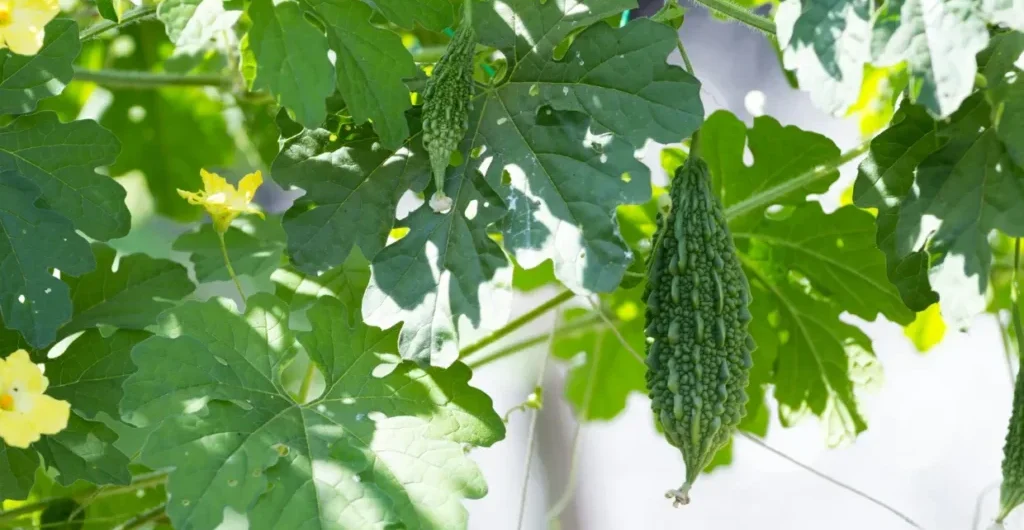
Bitter gourd plant

Rediscovering India’s native vegetables

Sometimes the healthiest foods are not the newest additions to our kitchens, but the vegetables that have quietly grown in our landscapes for centuries.

Local Vegetables, Timeless Nutrition

By rediscovering these native crops, we reconnect with traditional food wisdom, healthier diets, and sustainable farming practices.

Frequently Asked Questions

What are Indian native vegetables?
Vegetables traditionally grown in India and naturally adapted to local climates, such as ridge gourd, bitter gourd, and moringa leaves.

What are foreign vegetables in India?
Vegetables introduced from other regions of the world, including potato, tomato, cabbage, cauliflower, and capsicum.

Are foreign vegetables unhealthy?
No. They are nutritious, but traditional diets relied more on seasonal native vegetables for balanced nutrition.

Why are native vegetables important?
They grow well in local climates, require fewer chemicals, and support sustainable farming and biodiversity.

Why include traditional vegetables in our diet?
They provide natural nutrients, support seasonal eating, and help maintain balanced, healthy diets.