
facebook
  • ChukkiMane
  • No Comments
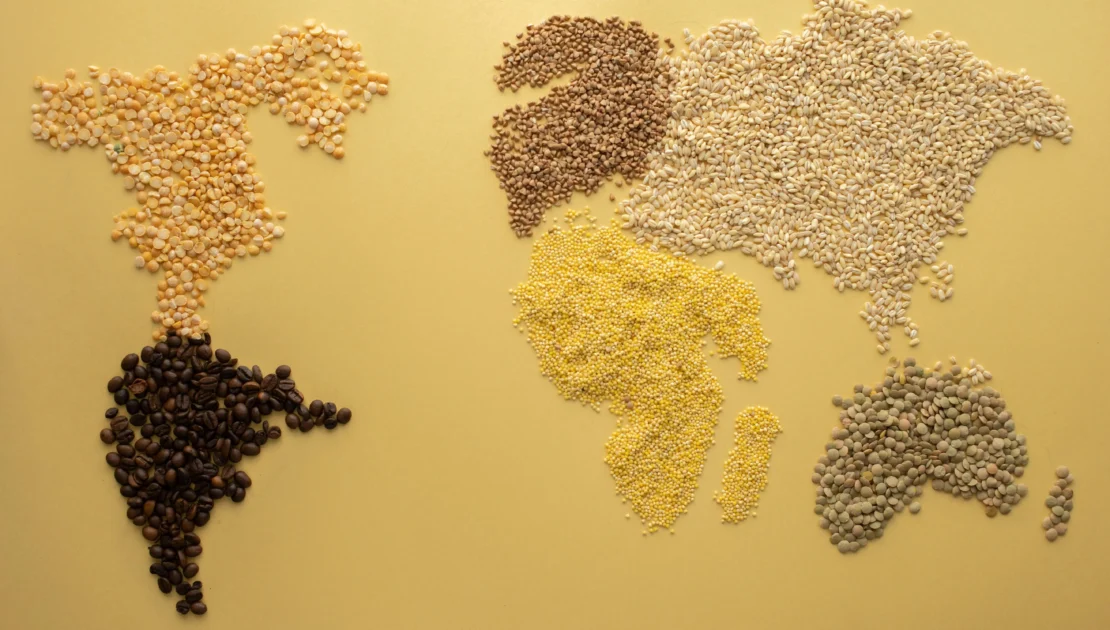
Millets Worldmap

A Simple Switch That Can Transform Your Health

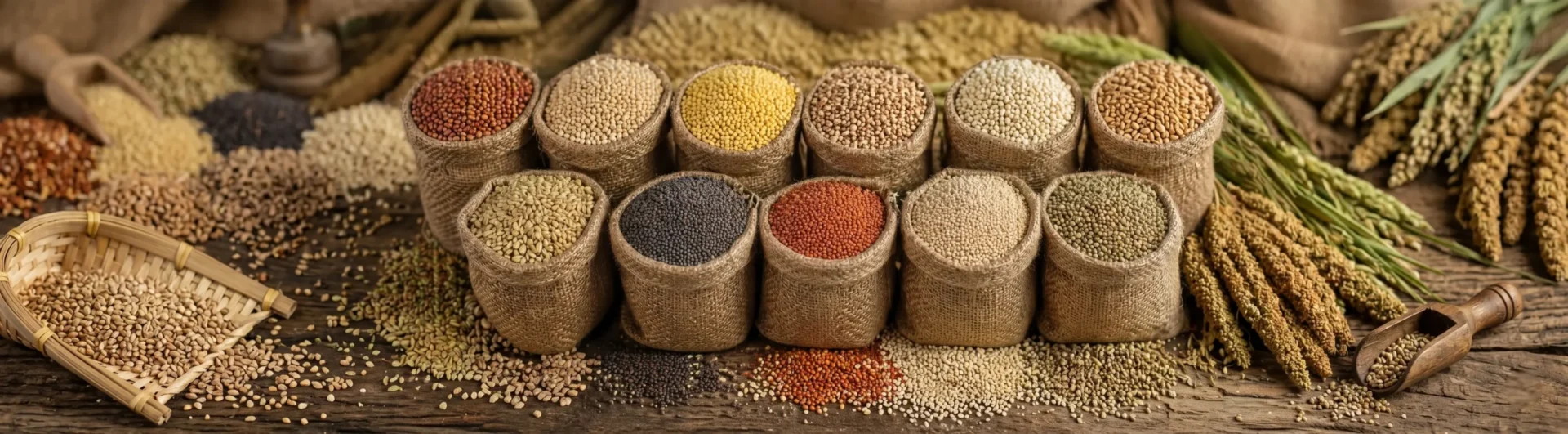
Millets Display Banner

A Simple Switch That Can Transform Your Health

ChukkiMane, Karnataka
In today’s fast-paced life, rice has become the default on every plate — easy, familiar, and filling.
But what if the real secret to better health was something we quietly left behind? As more people explore millets vs rice, it’s becoming clear that millets are healthier than rice in many ways — offering better nutrition, sustained energy, and long-term wellness. The idea is simple: eat millets, not just rice, and bring back balance to your daily diet.

When Rice Took Over the Plate

In most Indian homes, a meal feels incomplete without rice. It sits at the center of the plate, familiar and comforting. But over time, this habit of eating rice every day slowly replaced something far more powerful — our traditional grains.

There was a time when people didn’t rely only on rice. They ate millets — ragi, jowar, bajra — grains that kept them full, energetic, and healthy. Today, as polished rice became dominant, many began experiencing fatigue, weight gain, and rising lifestyle diseases.

This is where the question begins: should we eat millets instead of rice?
Because when you compare millets vs rice, the difference is not just in taste — it is in nutrition, sustainability, and long-term health.
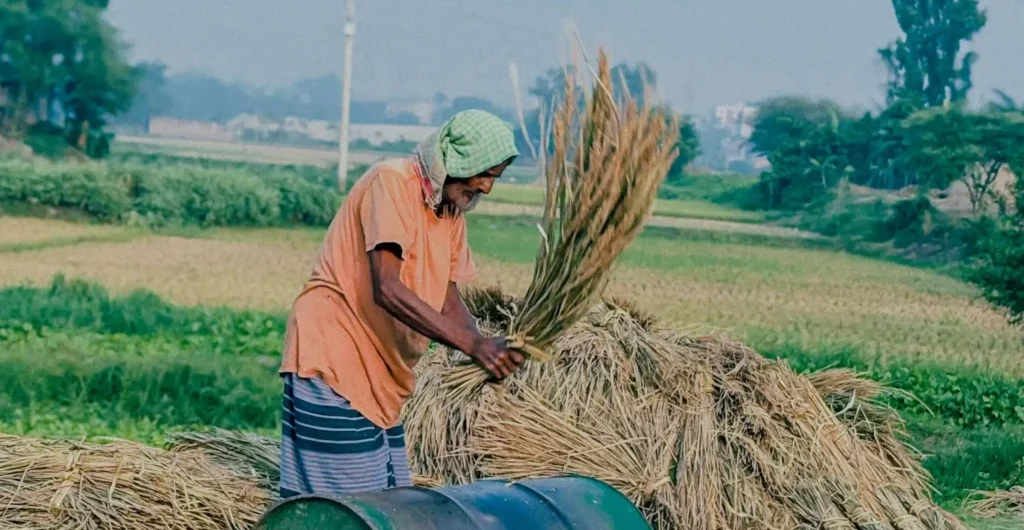
Indian Farmer Harvesting millets at ChukkiMane

Rediscovering Millets: India’s Original Superfood

The shift didn’t happen in a lab or a trend — it began in kitchens. Slowly, families started bringing back millets into their daily diet. What they discovered was surprising.

Millets are healthier than rice in many ways. They are rich in fiber, packed with essential minerals, and release energy slowly. Unlike polished rice, which often causes quick hunger and sugar spikes, millets keep you satisfied for longer.

From ragi mudde in Karnataka to jowar rotis in rural homes, these grains were never “new” — they were simply forgotten. And now, as more people understand the benefits of millets, the movement to switch from rice to millets is growing stronger across India.

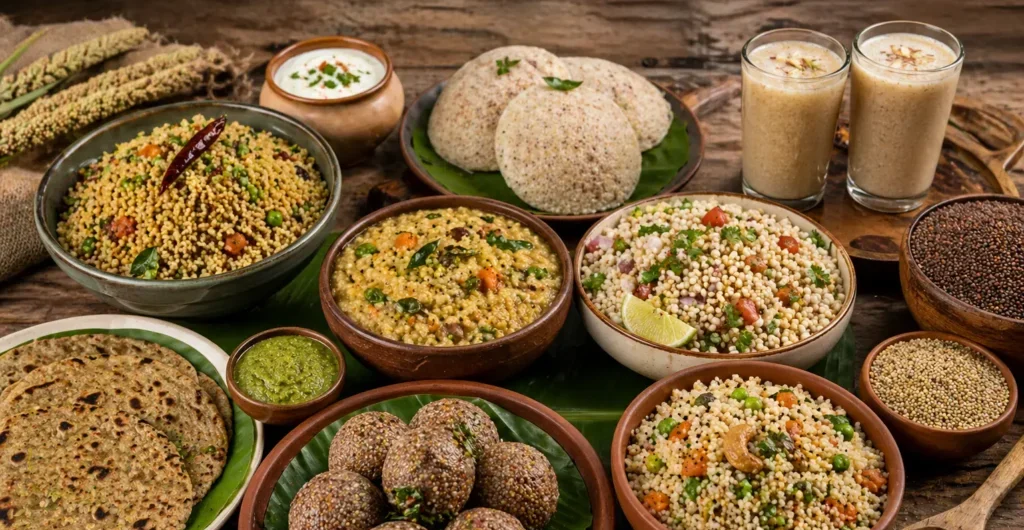
Millets dishes prepared at ChukkiMane

Why Millets Are Better Than Rice

Higher Nutrition Than Rice

When comparing millets vs rice, millets clearly stand out. They contain more fiber, iron, calcium, and protein than polished rice, making them a powerful addition to a healthy Indian diet.

Better for Diabetes and Weight Management

One of the biggest benefits of millets is their low glycemic index. Millets are better than rice for diabetics because they release sugar slowly into the bloodstream. This also supports weight loss and prevents sudden hunger cravings.

Sustainable and Farmer-Friendly Grain

Choosing millets instead of rice is not just a health decision — it is an environmental one. Millets require less water, grow in harsh climates, and support sustainable agriculture in India.

From Rice Habit to Millet Lifestyle

Switching from rice to millets is not about completely giving up rice — it is about balance. It starts with one small change: replacing a single meal.

A simple millet upma for breakfast, a jowar roti for lunch, or a comforting ragi ball for dinner — these changes slowly reshape your eating habits. Over time, your body begins to respond. You feel lighter, more energetic, and less dependent on frequent meals.

The beauty of millets lies in their versatility. Whether it is millet dosa, pongal, or khichdi, they blend seamlessly into Indian cuisine. What once felt like a replacement soon becomes a preference.

“Come Curious. Leave Nourished.”
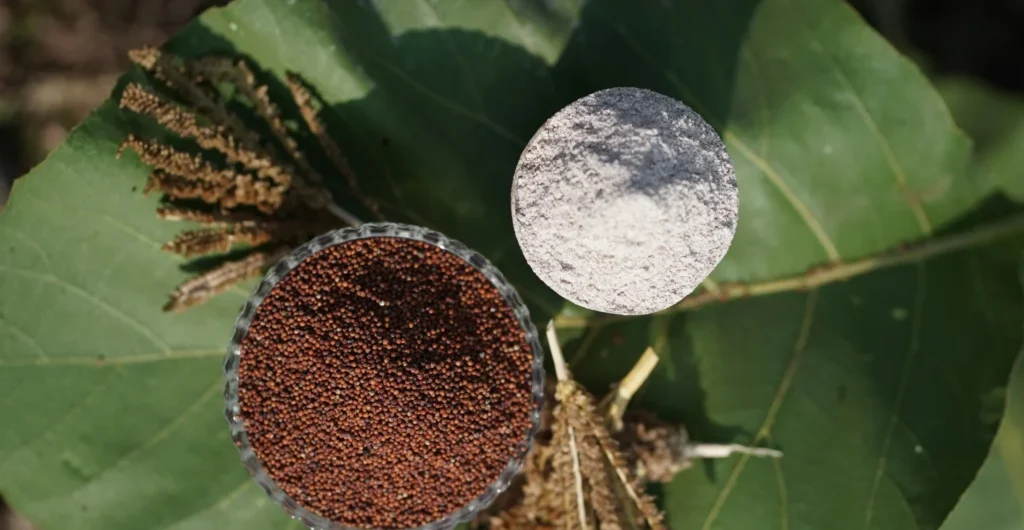
The power of Ragi millet

A Movement Beyond Food

Today, “Eat Millets, Not Just Rice” is no longer just a dietary suggestion — it is a growing lifestyle movement. Across India, people are becoming more aware of what they eat and why they eat it.
• Farmers are returning to millet cultivation. Families are choosing healthier grains. And communities are rediscovering the wisdom of traditional food systems.
• Choosing millets over rice is not about rejecting rice — it is about diversifying your plate. It is about understanding that millets are healthier than rice in many ways and making a conscious decision to eat better.
• You’re experiencing food the way it was meant to be
Because sometimes, the future of health lies in the grains we left behind.
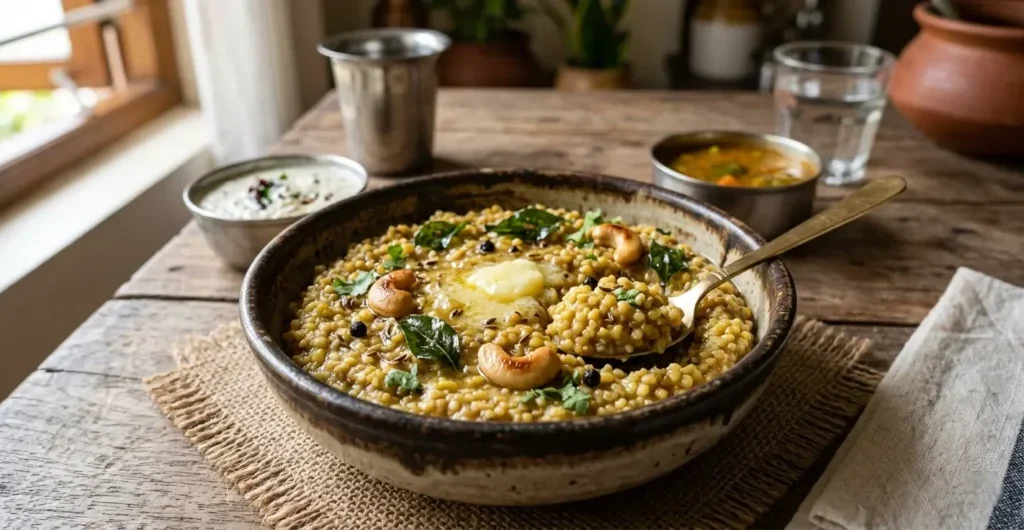
Pearl millet pongal

At ChukkiMane, Millets aren’t a “healthy alternative.”

They’re simply how we’ve always eaten.

The Power Behind Every Millet Meal

As more people explore millets vs rice, they’re rediscovering that millets are healthier than rice, offering better nutrition and sustained energy.

Frequently Asked Questions

1. Why are millets better than rice?

Millets are better than rice because they contain more fiber, protein, and essential nutrients while having a lower glycemic index.

2. Should I stop eating rice completely?

No, you don’t need to stop rice completely. Instead, balance your diet by including millets instead of rice in some meals.

3. Are millets good for diabetes?

Yes, millets are excellent for diabetes management due to their slow sugar release and low glycemic index.

4. Can millets help in weight loss?

Yes, millets support weight loss by keeping you full longer and reducing unnecessary snacking.

5. How do I start eating millets daily?

Start by replacing one rice-based meal with millet dishes like roti, upma, or pongal.

6. Which millet is best for beginners?

Foxtail millet and little millet are easy to cook and have a mild taste, making them ideal for beginners.

7. Are millets expensive compared to rice?

Most millets are affordable and provide better nutritional value than polished rice.