


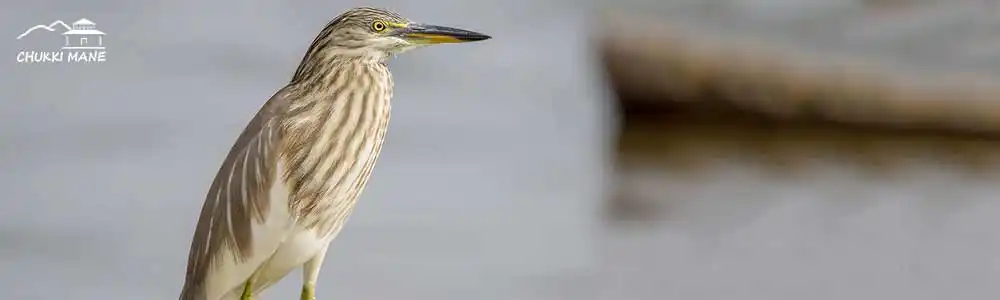
Pond herons are one of the most commonly found species of the Indian subcontinent. Docile by nature, they can be seen in their natural habitat as well as on the outskirts of villages. The first description related to the Pond heron bird was given in the year 1832, by Colonel W. H. Sykes. The bird belongs to the Old World species and is scientifically known as Ardeola grayii. They nest in small colonies, often with other wading birds, usually on platforms of sticks in trees or shrubs. 3-5 eggs are laid. These herons feed on insects ,fish and ambhibians. During the breeding season, there are records of individuals with red legs.
Behavior & Habitat
Solitary foragers that tolerate close approach, Pond Herons hunt fish, insects, crustaceans, tadpoles, and amphibians. They stalk muddy pond margins, even baiting fish with breadcrumbs or flying low to herd prey. Dry seasons see them on lawns or garbage heaps; they roost communally in urban trees.
Diet & Feeding
Primary foods: fish, frogs, aquatic insects, leeches. They swim occasionally, hover-fish, or snatch leaping prey. Adaptable hunters, they exploit shrinking wetlands when prey concentrates.
Breeding Season
Pre-monsoon breeders (March-May), they form semi-colonial nests 9-10m up in leafy trees with other waders. Males gather sticks; females build platforms. 3-5 eggs hatch asynchronously after 18-24 days; both parents feed fish-heavy diet to chicks.
Spot Pond Herons at ChukkiMane
Visit ChukkiMane near Shivanasamudra Falls (100km from Bangalore) for prime Indian Pond Heron sightings amid Cauvery backwaters and organic paddy fields. Expert-led dawn trails reveal these patient hunters with Greater Coucals, Spot-billed Ducks, and 40+ species. Pet-friendly eco-stays, veg meals, and bullock-cart rides complete your birdwatching adventure.