

facebook
  • ChukkiMane
  • No Comments
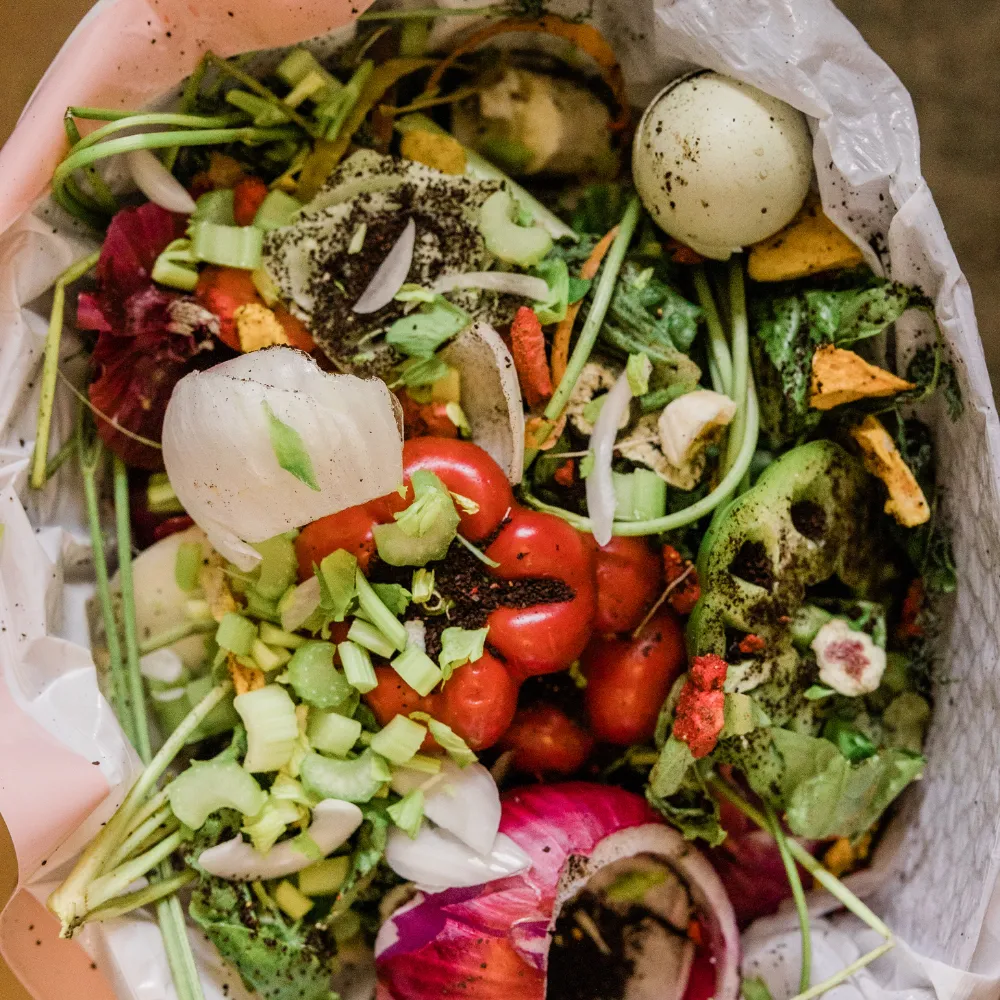
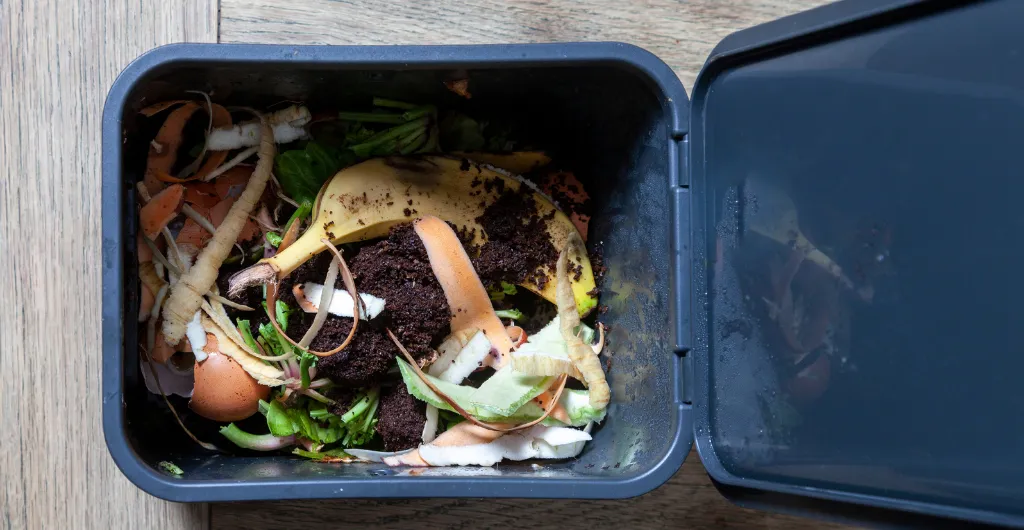
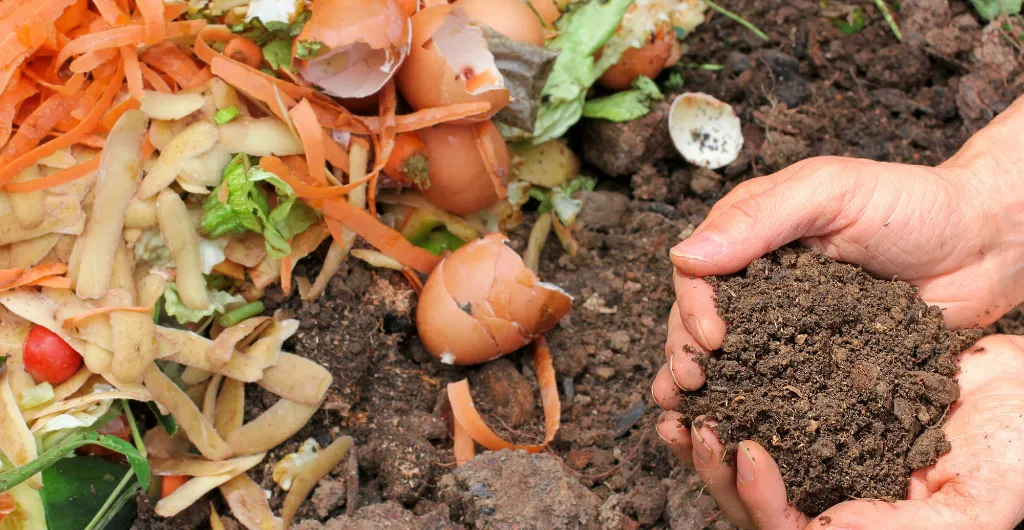
Organic compost made from kitchen waste and soil

How to Make Organic Compost at Home

Hands planting seedlings to promote sustainable living

How to Make Organic Compost at Home

Turn Everyday Waste into Garden Gold

ChukkiMane, Karnataka
What if the scraps you throw away every day could become the secret to a greener garden?
Vegetable peels, fruit scraps, dry leaves and leftover garden trimmings may look like waste, but nature sees them differently. With a little time and the right method, these everyday leftovers can transform into nutrient-rich organic compost that helps nourish your plants and enrich your soil. Discover how to make organic compost at home, reduce kitchen waste and bring a little more of nature’s magic into your everyday life.

The Little Magic Hidden in Your Kitchen Waste

Every day, we peel vegetables, cut fruits, brew tea and sweep away fallen leaves without giving much thought to where they end up. But imagine if these little leftovers could begin a second life — not in a garbage bin, but in the soil that nourishes your favourite plants.

That is the beauty of organic composting at home. It is nature’s way of turning discarded organic matter into a valuable soil conditioner. Tiny microorganisms gradually break down kitchen scraps and garden waste, creating dark, crumbly compost that helps improve soil health.

You do not need a large garden, expensive equipment or years of gardening experience to begin. A simple compost bin on your balcony, terrace or in a shaded corner of your backyard can be enough to get started. What begins as a small household habit can become a meaningful step towards sustainable living.

At ChukkiMane, where nature and traditional living are part of the experience, composting reflects a simple idea: what nature gives us can return to nature. Instead of seeing organic waste as something to throw away, we can learn to see it as a resource waiting to be transformed.
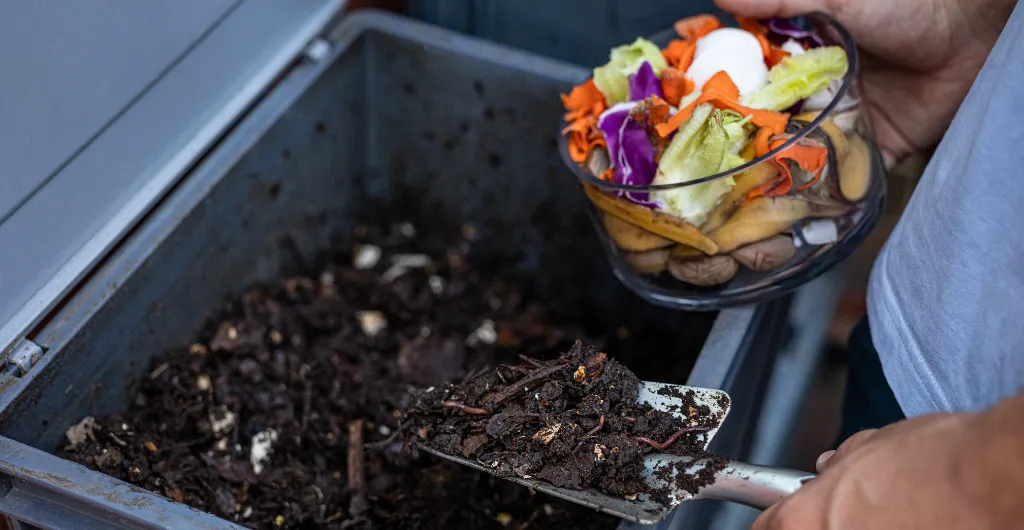
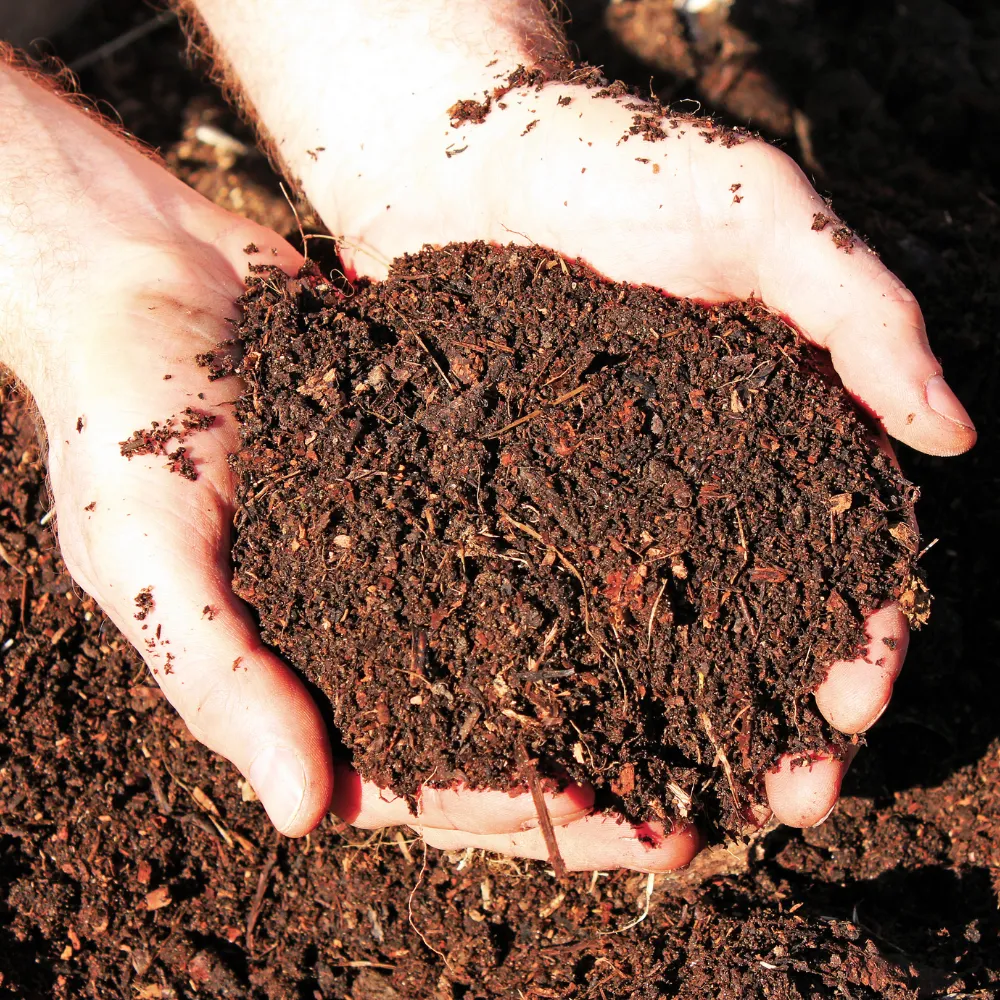
Organic compost made from kitchen waste and soil

How to Make Organic Compost at Home — A Simple Habit That Makes a Difference

The secret to successful home composting is not complicated. It comes down to balancing the right materials, maintaining moisture and allowing nature enough time to work.

Start with a container that has ventilation and drainage, or choose a suitable compost bin for your available space. Add a layer of dry leaves or shredded, uncoated cardboard at the bottom. These dry materials help absorb excess moisture and provide carbon for the microorganisms that break down waste.

Next, add chopped vegetable peels, fruit scraps, tea leaves and other suitable kitchen waste. Cover every fresh layer with dry leaves or shredded cardboard. As a useful starting point, try around two to three parts of dry brown material for every one part of fresh green waste, adjusting the mix if the bin becomes too wet or dry.

Keep the mixture slightly moist, like a wrung-out sponge, and turn or gently mix it regularly to allow air to circulate. If the compost becomes soggy or develops an unpleasant smell, add more dry material and improve aeration.

Over time, the original scraps gradually disappear. Depending on the materials, temperature, moisture and composting method, this may take several weeks to several months or longer. Your compost is ready when it becomes dark, crumbly and earthy-smelling, with little recognizable kitchen waste remaining.

Three Wonderful Ways Organic Compost Transforms Your Garden

Organic Compost

Healthier Soil, Happier Plants

Adds valuable organic matter to soil.

Improves soil structure and aeration.

Supports beneficial soil organisms.

Helps create better growing conditions for roots.

Healthy Soil

Better Moisture and Plant Growth

Helps soil retain moisture.

Releases nutrients gradually.

Supports healthy root development.

Helps plants grow in better-conditioned soil.

Organic matter for soil

Less Waste, Greener Living

Diverts suitable kitchen scraps from general waste.

Recycles fallen leaves and garden trimmings.

Can reduce spending on purchased soil amendments.

Encourages responsible everyday habits.

What Should You Put in Your Compost Bin — and What Should You Keep Out?

The most successful compost bins begin with simple ingredients from everyday life. Vegetable and fruit peels, crushed eggshells, tea leaves, coffee grounds, dry leaves, untreated cardboard and small pieces of untreated plant material are useful starting points.

However, not everything that looks organic belongs in a basic home compost bin. Meat, fish, bones, dairy products, oily leftovers and greasy food scraps can create odours and attract unwanted pests. Diseased plants, pet waste and materials contaminated with chemicals should also be kept out of an ordinary household compost pile.

The golden rule is to balance fresh, moist materials with dry, carbon-rich ones. Too many wet scraps can make the mixture soggy and smelly, while an overly dry bin may decompose very slowly. Keep the bin covered but adequately ventilated, and bury fresh kitchen scraps beneath a layer of dry material.

“And remember, patience is part of the process. Composting is not about rushing nature; it is about creating the right conditions for nature to do its work.”

From Everyday Waste to a Greener Way of Living

There is something satisfying about watching a handful of discarded vegetable peels become part of the soil that nurtures a flowering plant or a homegrown vegetable. It changes the way we look at waste, gardening and the resources we use every day.
  • Home composting is a small action, but its value extends beyond a single garden. It encourages us to separate organic waste, reuse natural materials and become more conscious of how our daily choices affect the environment. It can also be a wonderful activity for families, helping children understand decomposition, soil life and the natural cycle of growth.
  • At ChukkiMane, this connection with nature is a reminder that sustainable living does not always begin with grand changes. Sometimes, it begins with a simple decision — saving the peels from your morning fruit instead of throwing them away.
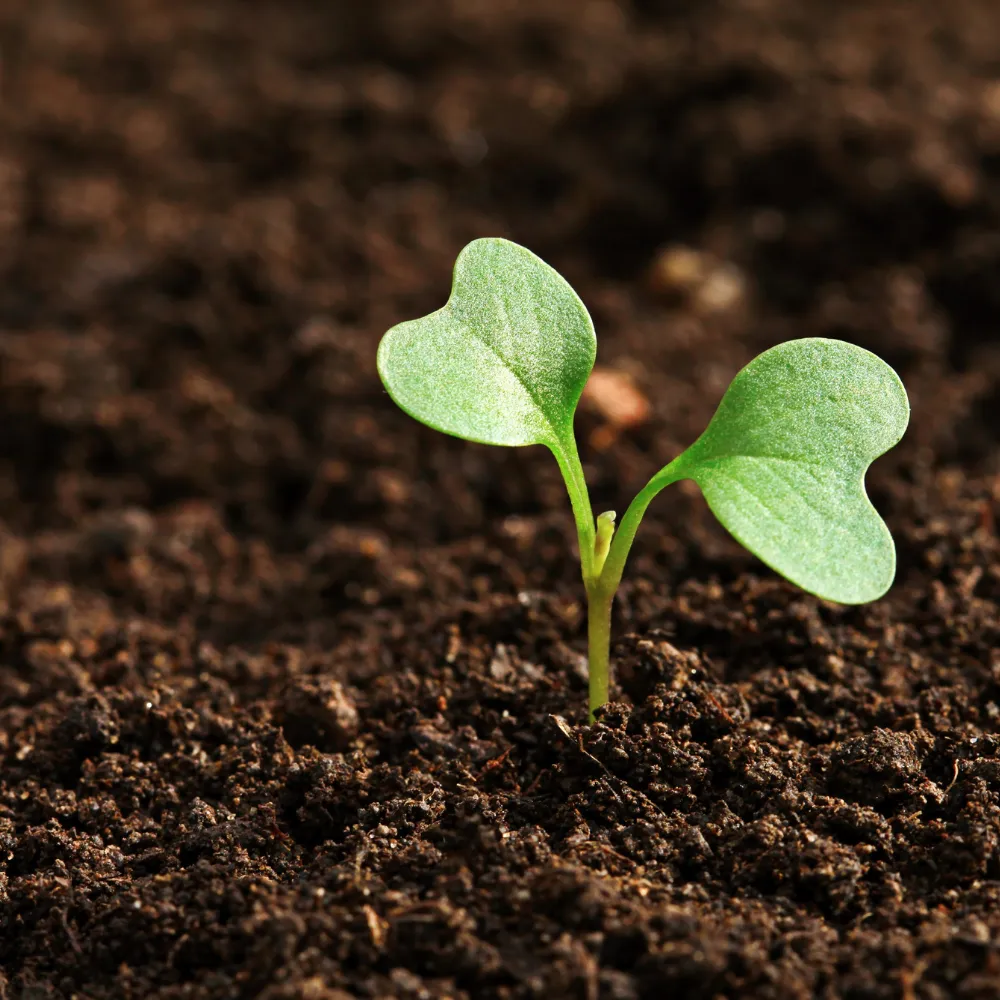
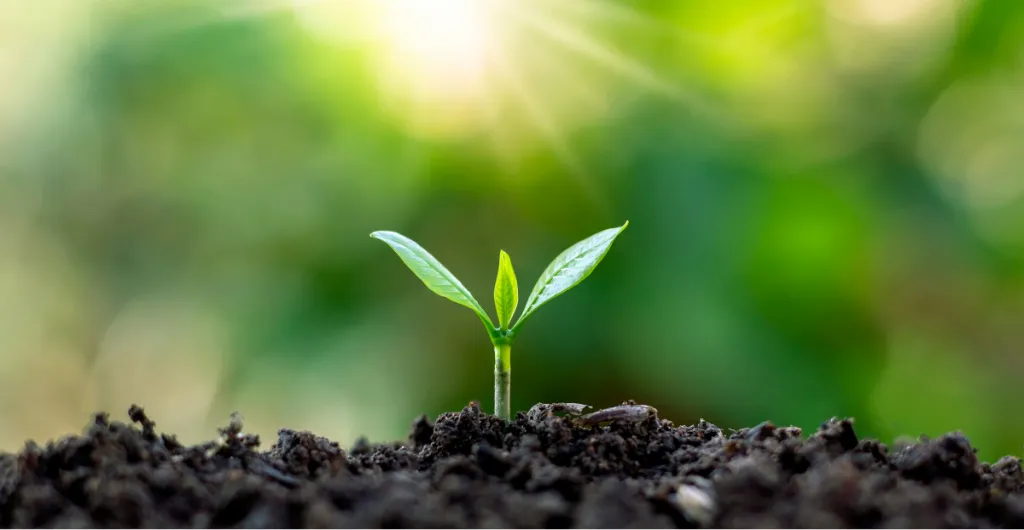
  • Healthy seedling growing in nutrient-rich compost soil

    Start small. Feed the soil. Let nature do the rest.

    Bring this simple habit into your home and discover how everyday waste can become the beginning of a greener tomorrow.

    Step into Nature’s Recycling Factory at ChukkiMane!

    Visit ChukkiMane to see how earthworms transform organic waste into nutrient-rich compost. Discover nature’s recycling magic in action!

    Frequently Asked Questions

    1. How do I make organic compost at home from kitchen waste?

    Collect suitable fruit and vegetable scraps, layer them with dry leaves or shredded cardboard in a ventilated bin, maintain moderate moisture and mix occasionally. Allow the materials to decompose until the compost becomes dark, crumbly and earthy-smelling.

    2. How long does homemade organic compost take to be ready?

    It depends on the composting method, temperature, moisture, aeration and material size. Some systems produce compost in several weeks, while slower home composting can take several months or longer.

    3. Can I make organic compost at home without a garden?

    Yes. You can use a suitable ventilated compost bin on a balcony, terrace or other appropriate outdoor space. Vermicomposting is another option for people who want to use earthworms to process suitable organic waste.

    4. Does organic compost smell bad?

    A well-managed compost bin should have a mild, earthy smell rather than a rotten odour. Bad smells often indicate excess moisture, insufficient air or too many wet kitchen scraps. Add dry leaves or shredded cardboard and improve aeration.

    5. What are the main benefits of organic compost?

    Organic compost improves soil structure, supports beneficial soil organisms, helps retain moisture, contributes nutrients and reduces the amount of suitable organic waste sent to landfill.

    6. Can I use homemade compost for indoor plants?

    Yes, once it is fully mature. Use it in moderation as part of an appropriate potting mix rather than filling a pot with pure compost, which may retain too much moisture or have unsuitable nutrient and salt levels.

    7. Can I add cooked food and leftover rice to compost?

    For a beginner’s compost bin, it is better to start with fruit and vegetable scraps and dry leaves. Cooked food and leftover rice may attract pests and create odours, especially in poorly managed bins. Add them only if your chosen composting system is suitable for them.

    8. Is organic compost better than chemical fertilizer?

    They serve different purposes. Compost improves soil structure and biological activity while contributing nutrients, whereas fertilizers can supply specific nutrients in more concentrated amounts. The best choice depends on your soil, plants and gardening needs.