
facebook
  • ChukkiMane
  • No Comments
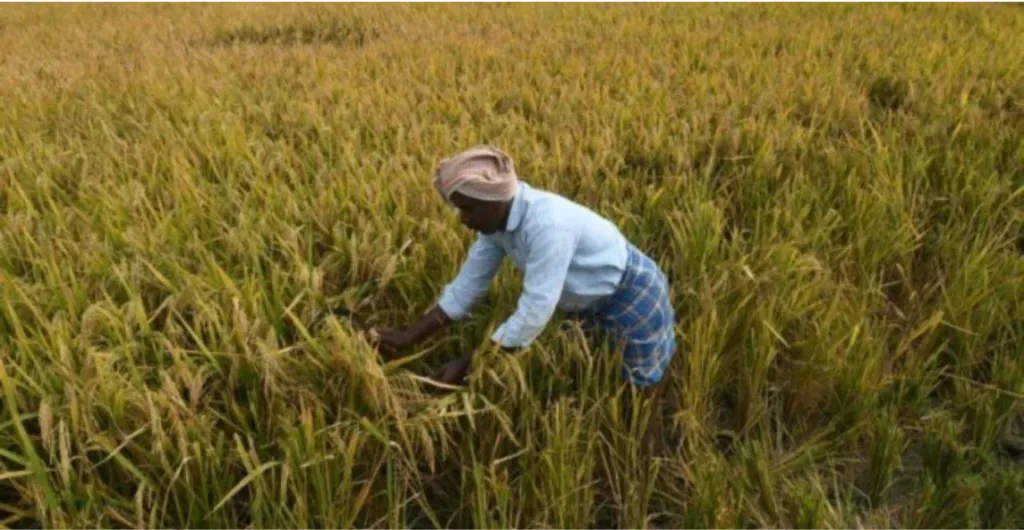
Farmer harvesting mature paddy in Karnataka

From Seed to Golden Grain: The Hidden Journey of Paddy Farming

Paddy field planting during rice cultivation in Karnataka

From Seed to Golden Grain: The Hidden Journey of Paddy Farming

ChukkiMane, Karnataka
Before rice reaches your plate, it begins as a tiny seed in the soil. Follow its remarkable journey through muddy fields, monsoon rains, green paddy landscapes, and golden harvests — and discover the farmers, seasons, and traditions behind every grain.

It All Begins With a Tiny Seed

When you look at a bowl of rice, it is easy to forget where it began.

Long before it becomes the soft, familiar grain on our plates, rice begins as a tiny seed placed carefully into the soil. Around the Kaveri River, where fertile land meets seasonal monsoon rains, paddy farming has been woven into the rhythm of rural life for generations.

At ChukkiMane Eco & Village Resort, paddy fields are not simply part of the landscape. They tell a story — a story of farmers waking with the sunrise, preparing the soil, watching the skies, managing water, protecting young plants, and patiently waiting for the fields to turn golden.

The journey starts with land preparation. Weeds and crop residues are cleared before the soil is ploughed several times. Water is introduced into the field, and the soil is puddled into a soft, muddy bed. This creates the conditions young paddy plants need while helping the field retain moisture.

At the same time, carefully selected paddy seeds begin their own journey in a nursery. They are soaked, allowed to sprout, and planted into prepared nursery beds. Within days, tiny green shoots emerge.

It is a small beginning.

But given time, water, sunlight, and care, those tiny shoots will become an entire field of rice.
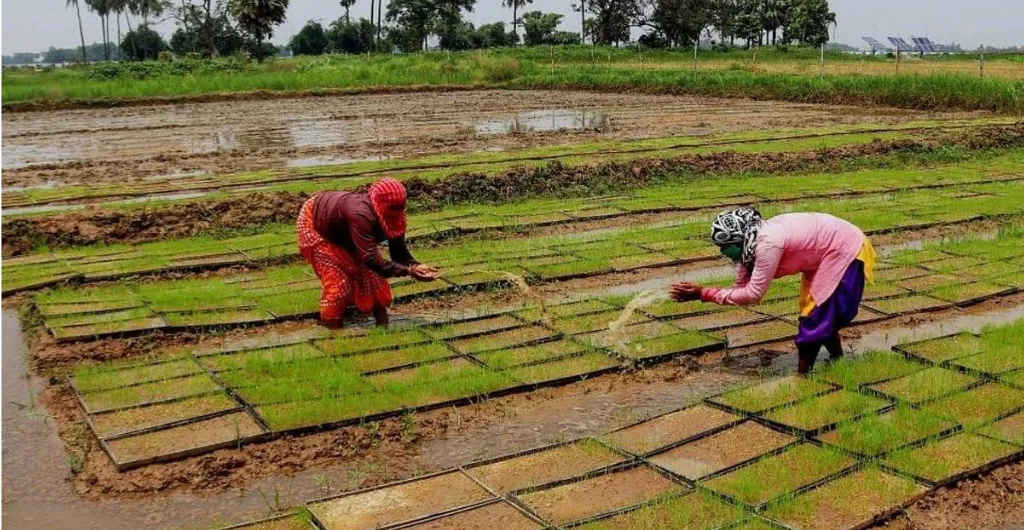
Paddy seedlings growing in a nursery bed

How a Muddy Field Becomes a Sea of Green

There is something magical about watching a paddy field change.

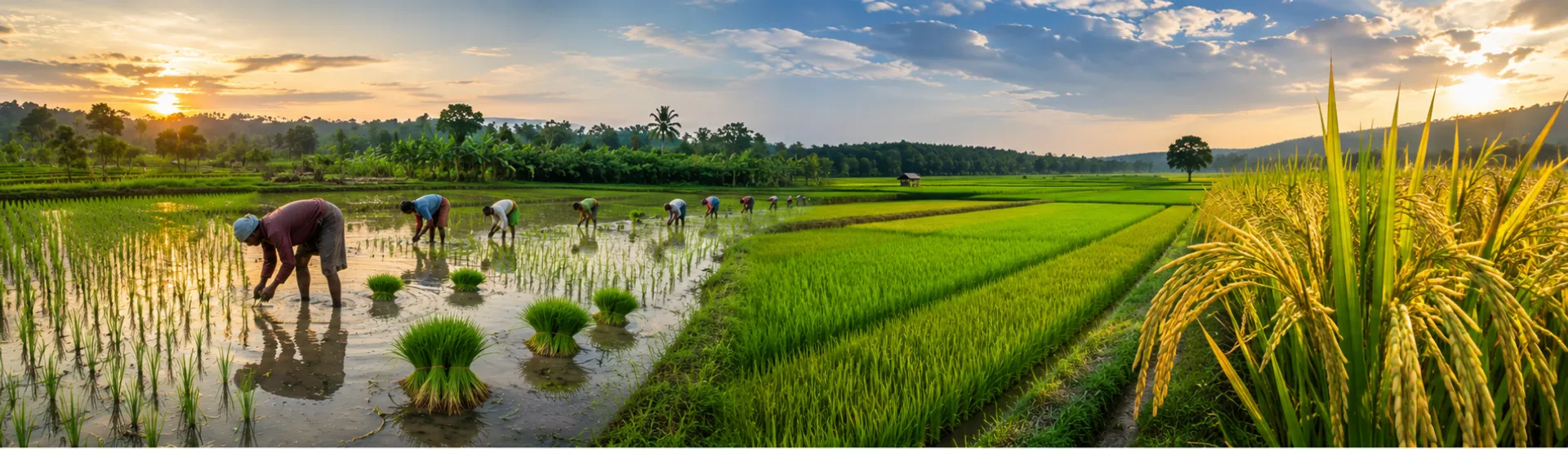
One day, it is a freshly prepared stretch of wet soil. A few weeks later, it becomes a carpet of vibrant green.

After approximately 20–30 days in the nursery, young seedlings are ready for transplanting. Farmers carefully move them into the main field, placing them at appropriate spacing so that each plant has access to sunlight, water, nutrients, and enough room to grow.

Then comes the waiting — but it is never passive waiting.

Farmers continuously watch the crop. Water levels are managed, weeds are removed, nutrients are supplied, and the plants are monitored for pests and diseases. Beneath the surface, roots become stronger while new shoots, known as tillers, begin developing.

Slowly, the field transforms.

The green becomes thicker. The plants grow taller. Birds move across the landscape. The breeze travels through the crop like a wave.

And beside the Kaveri, what began as a handful of seeds now looks like a living green ocean.

For visitors at ChukkiMane, walking beside these fields offers something that photographs cannot quite capture — the sound of the wind moving through paddy, the scent of wet earth, and the realization that the rice we eat every day has an extraordinary story behind it.

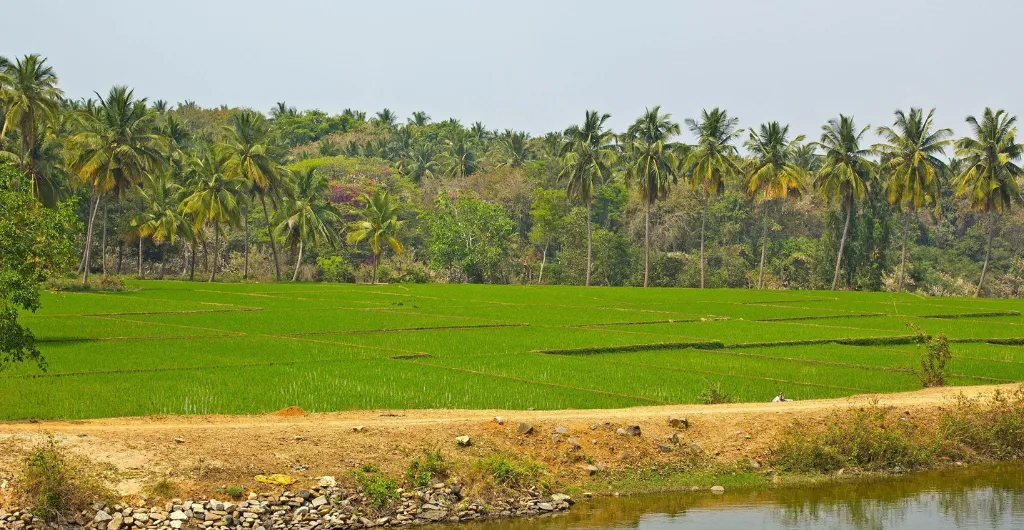
Green paddy fields in rural Karnataka

Three Stages That Transform Paddy Into Rice

The Growth Stage — From Seedling to Strong Plant

Young seedlings are transplanted into prepared fields.

Roots strengthen beneath the soil.

New tillers develop and increase plant growth.

Farmers manage water, nutrients, weeds, pests, and diseases.

The field gradually develops into a dense green landscape.

Taste Authentic Karnataka

Fresh home-style vegetarian meals.

Traditional Karnataka breakfast and lunch.

Farm-fresh seasonal vegetables

Evening tea, coffee, and local snacks.

Experience Village Life

Bullock cart ride.

Village walk and farm tour.

Seed ball making

Birdwatching and nature walks

Traditional village games

Relax amidst lush greenery.

The Moment the Green Fields Turn Golden

Perhaps the most beautiful chapter of paddy farming begins when the green slowly disappears.

The grains become heavier, the plants bend under their weight, and the entire landscape changes from vibrant green to warm golden yellow. For farmers, this transformation signals that months of patience are finally approaching their reward.

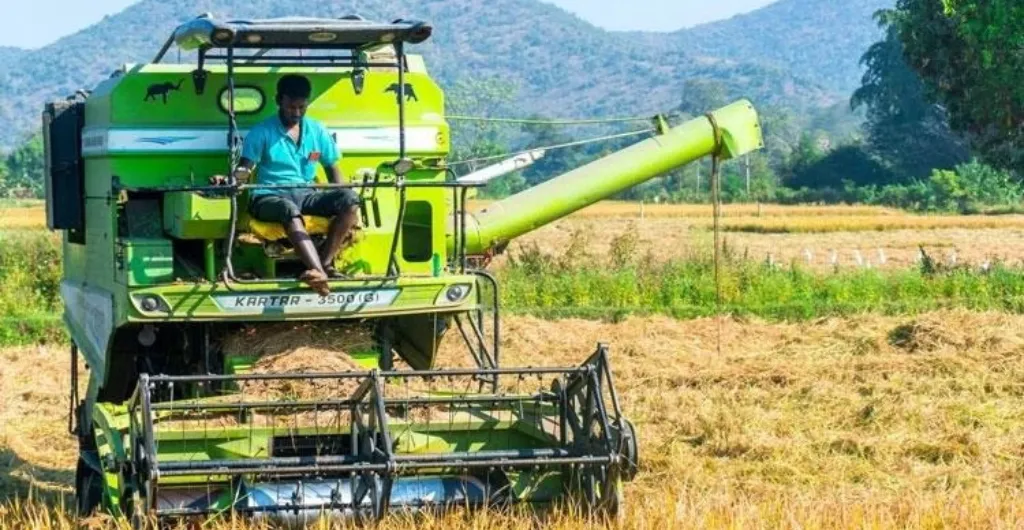
Harvesting begins when the crop reaches maturity. Traditionally, farmers used sickles to cut the paddy by hand. Today, harvesting machines can make the process faster, but the purpose remains the same — carefully bringing the crop from field to threshing area.

The harvested stalks are then threshed, separating the rice grains from the straw. Traditionally, this was done manually by beating bundles of harvested paddy. Modern threshing machines have made the process faster and can help reduce grain loss.

But the journey is still not complete.

Freshly harvested paddy contains moisture, so the grains are spread under the sun and dried to a suitable moisture level. Proper drying helps preserve grain quality and reduces the risk of spoilage during storage.

The dried paddy is then cleaned, packed, and stored before it eventually travels to a rice mill, where the outer husk is removed.

Only then does the grain become the rice we recognize.

“From muddy soil to a kitchen bowl, every grain carries months of work.”
Farmer harvesting mature paddy in Karnataka

Come See Where Your Rice Really Comes From

Imagine waking up beside the Kaveri and watching the morning light fall across a field of green paddy.
  • Imagine walking along the bunds between the fields, feeling the cool breeze, hearing birds in the surrounding trees, and watching farmers work with the land.
  • Then imagine returning during harvest season and seeing the same landscape transformed into waves of golden grain.
  • That is the beauty of experiencing agriculture at ChukkiMane.
  • Depending on the season, visitors can witness different stages of paddy cultivation in Karnataka — from growing crops and green fields to the golden harvest. The experience offers children and adults a chance to understand where food comes from, how farmers work with nature, and why traditional farming remains such an important part of rural life.
  • For children especially, a paddy field can become an open-air classroom.
  • They can see how rice is grown, understand the importance of water and soil, observe agricultural practices, and discover that the food on their plate does not simply appear at a store.
  • It begins with a seed.
  • And sometimes, the best way to understand that story is to walk through the field where it happens.
    Paddy harvesting with a combine harvester

    Before It Reaches Your Plate, See Where It Begins.

    Experience the paddy fields, meet the traditions behind cultivation, and discover the remarkable journey that transforms a tiny seed into the rice we eat every day.

    Every Grain Begins With a Story

    From the first seed planted in the soil to the golden fields ready for harvest, paddy farming is a journey of patience, nature, and tradition. Come experience the fields, discover the work behind every grain, and see how the rice on your plate begins its remarkable journey.

    Frequently Asked Questions

    1. How long does it take to grow paddy from seed to harvest?

    The complete crop cycle varies depending on the rice variety and growing conditions. The journey described here broadly follows a crop cycle of around 125–135 days, from establishment through harvesting.

    2. What are the main stages of paddy cultivation?

    The major stages include land preparation, nursery preparation, transplanting, vegetative growth, flowering, grain filling, ripening, harvesting, threshing, drying, and storage.

    3. Why is paddy transplanted into flooded fields?

    Paddy is commonly grown under managed water conditions. Preparing and puddling the soil helps create a suitable planting environment, retain moisture, and suppress some weed growth.

    4. When does a paddy field turn golden?

    As the rice grains mature and fill, the plants gradually change from green to yellow and eventually golden. This visual transformation is one of the clearest signs that the crop is approaching harvest.

    5. What happens after paddy is harvested?

    The harvested crop is threshed to separate the grains from the stalks, dried to reduce moisture, cleaned, and stored. Paddy can then be transported to a rice mill where the husk is removed.

    6. Can visitors experience paddy farming at ChukkiMane?

    Yes. Depending on the agricultural season, visitors can experience the paddy landscape and learn about different stages of cultivation, traditional farming practices, harvesting, and the connection between agriculture and rural life.

    7. Why is paddy farming important in Karnataka?

    Paddy farming is an important part of Karnataka’s agricultural and rural landscape. It connects food production with traditional farming knowledge, seasonal rainfall, irrigation, soil, and the livelihoods of farming communities.

    8. What makes visiting a paddy field different from simply learning about rice?

    A field lets you experience the process physically and visually. Seeing seedlings, touching the soil, watching farmers work, and witnessing the transformation from green crop to golden harvest makes the journey from seed to rice much more meaningful.