
facebook
  • ChukkiMane
  • No Comments
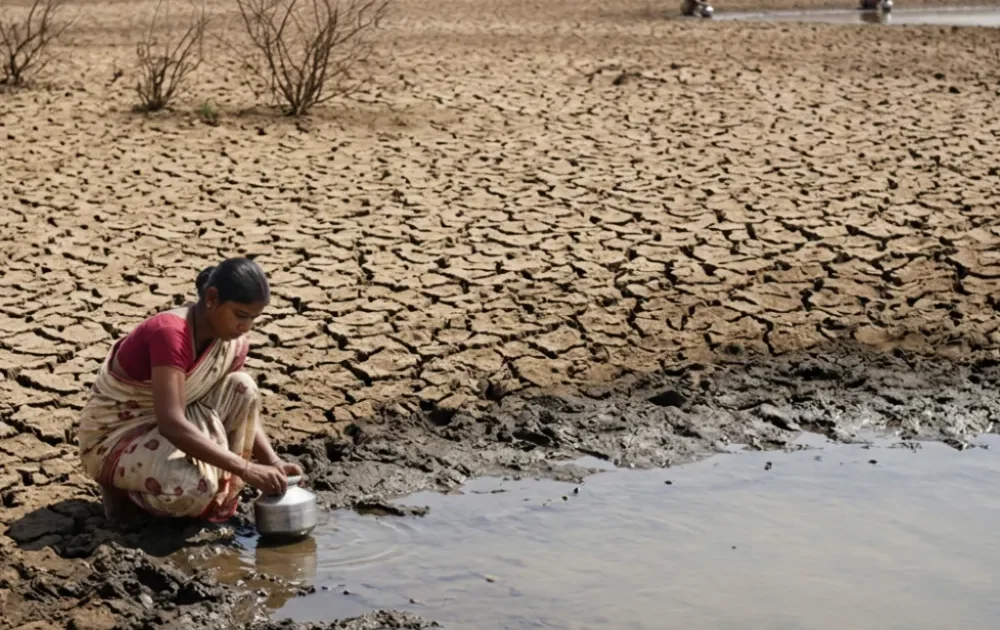
Water scarcity during a weak monsoon in rural India

Where Has the Monsoon Gone?

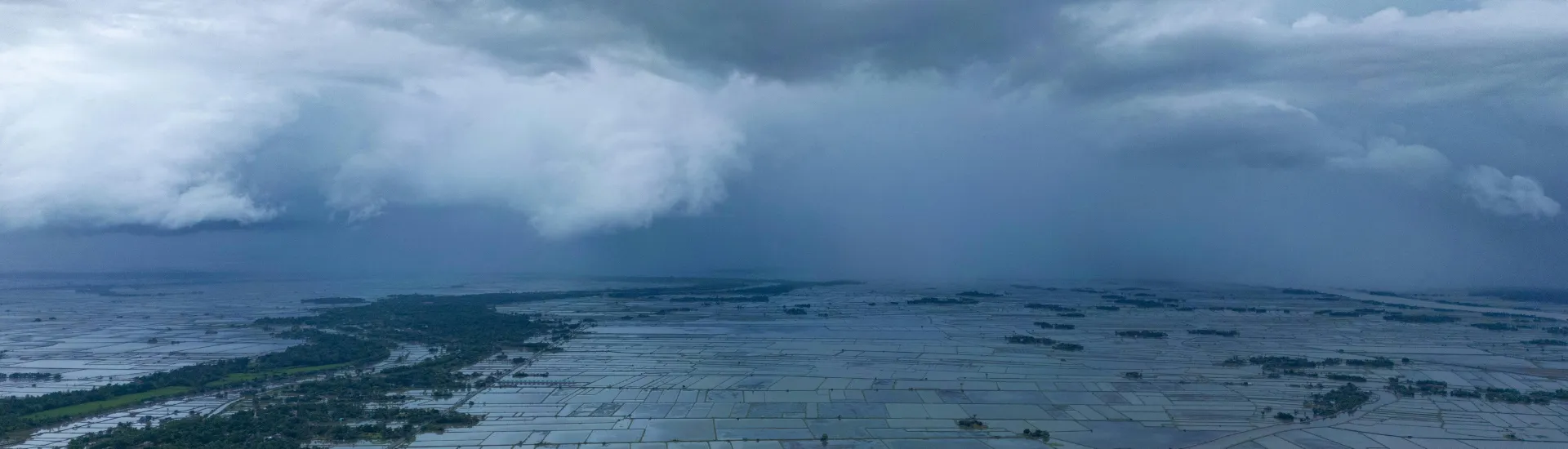
Dark monsoon clouds bringing rain over Karnataka farmlands

Where Has the Monsoon Gone?

ChukkiMane, Karnataka
Every year, the arrival of the monsoon transforms the landscapes around ChukkiMane into a lush green paradise. Rivers flow stronger, forests come alive, and the smell of wet earth fills the air.
But this year feels different. The clouds arrive… yet the rain doesn't always follow. Streams are quieter, fields wait longer, and many are asking the same question: Why has this monsoon brought so little rain? The answer lies in a fascinating story of climate, oceans, winds, and the choices we make as humans.

Is Global Warming Changing Our Monsoon?

For generations, the Indian monsoon has followed a familiar rhythm. Warm oceans, seasonal winds, and changing air pressure worked together to bring life-giving rains across the country.

Today, however, our climate is becoming warmer than ever before.

Rising global temperatures are heating the oceans, altering wind circulation, and increasing the unpredictability of rainfall. Instead of gentle, widespread showers over several weeks, many regions now experience long dry spells followed by sudden bursts of intense rainfall.

Scientists explain that climate change doesn’t always mean “less rain.” More often, it means less predictable rain—making it harder for farmers, forests, rivers, and wildlife to adapt. Climate change is also interacting with natural climate patterns such as El Niño, making some monsoon seasons weaker than expected.
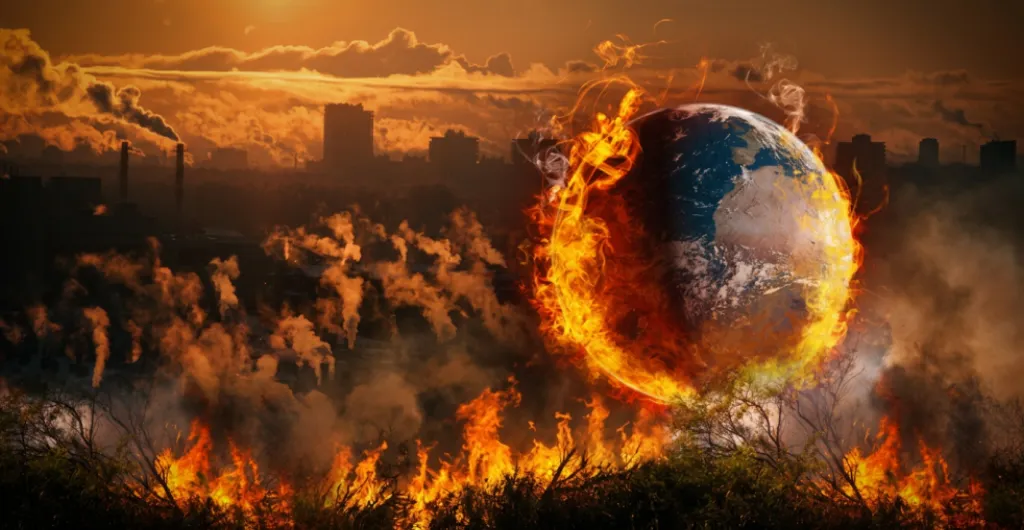
Global warming affecting India's changing monsoon patterns

What Happened During This Year's Monsoon?

The southwest monsoon usually arrives with steady progress across India, gradually covering Karnataka before becoming stronger through June and July.

This year, however, the season began with one of the weakest starts in recent years. Meteorologists observed delayed low-pressure systems over the Bay of Bengal, an unfavourable Madden–Julian Oscillation (MJO), and strengthening El Niño conditions, all of which reduced rainfall during the early weeks of the season. Although rainfall improved later in July, many districts—including several across Karnataka—continued to record significant deficits.

Around ChukkiMane and the Kaveri basin, visitors could clearly notice greener patches arriving later than usual, with many local streams and surrounding vegetation waiting longer for sustained rainfall.

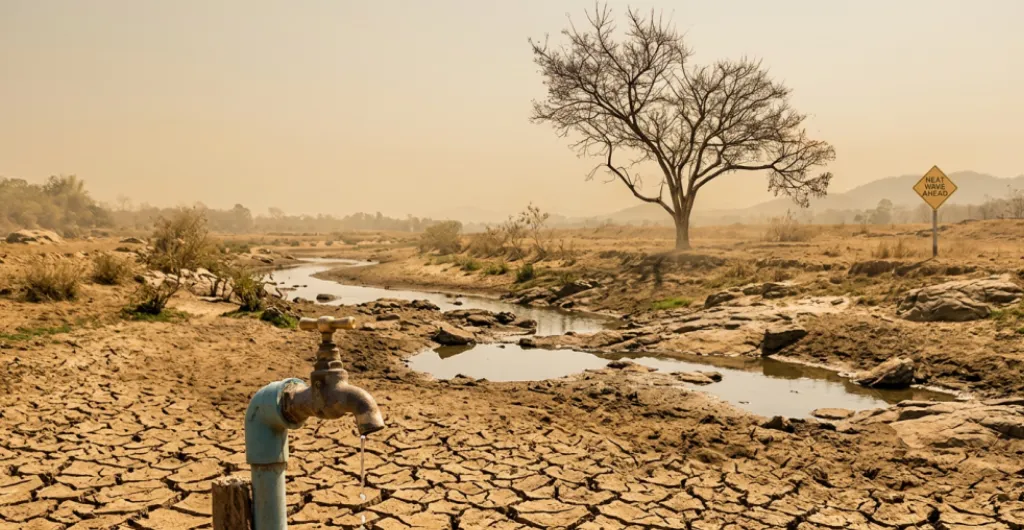
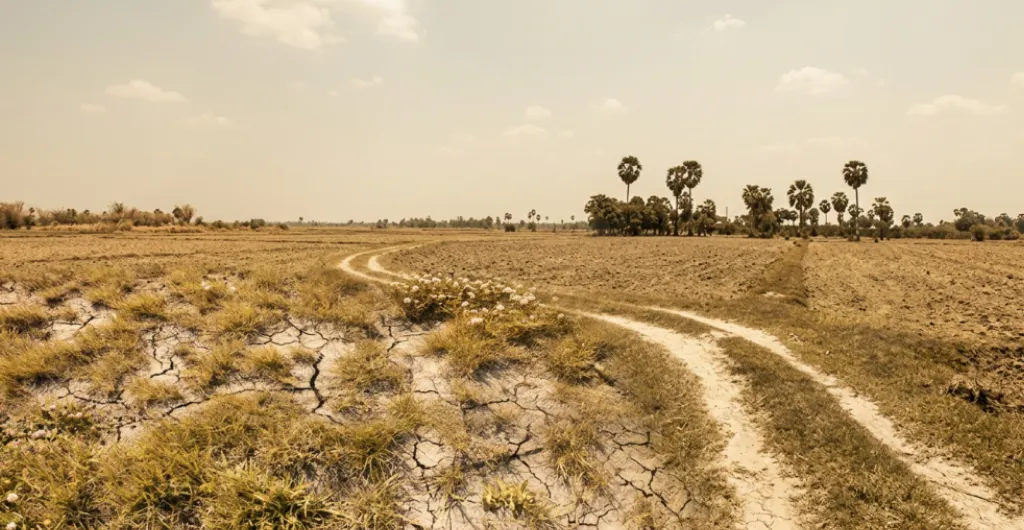
Dry riverbed showing the impact of low monsoon rainfall

The Numbers Tell the Story

Usually (Normal Monsoon)

India receives about 870 mm (87 cm) of seasonal southwest monsoon rainfall on average.

Karnataka normally receives steady rainfall from June to September.

Rivers, reservoirs and forests gradually recharge throughout the season.

This Year

India began the season with a rainfall deficit of nearly 40% during June, one of the weakest starts in recent years.

Karnataka recorded rainfall deficits of around 30%, with some southern districts experiencing even larger shortfalls during the early season.

Rainfall improved later in July, but several regions still remained below normal.

Why It Matters

Lower groundwater recharge.

Reduced river and reservoir levels.

Delayed crop growth.

Increased pressure on forests and wildlife

Greater uncertainty for farmers and rural communities

The Effects Reach Far Beyond Agriculture

When rain arrives late, it affects much more than crops.

Forests receive less moisture, reducing food availability for birds and animals. Rivers carry less water, influencing fish populations and aquatic life. Reservoirs fill more slowly, creating pressure on drinking water supplies and irrigation.

For farmers, delayed rains can postpone sowing, reduce crop yields, and increase financial uncertainty. Across Karnataka, officials have closely monitored reservoir levels and irrigation planning because rainfall shortages directly affect both agriculture and rural livelihoods.

“Even visitors to places like ChukkiMane experience these subtle changes—streams flowing more gently, landscapes turning green later, and nature adapting to an increasingly unpredictable climate.”
Dry riverbed showing the impact of low monsoon rainfall

The Bigger Problem Isn't Just Less Rain

The real concern isn't simply that rainfall is decreasing. It's becoming less reliable.
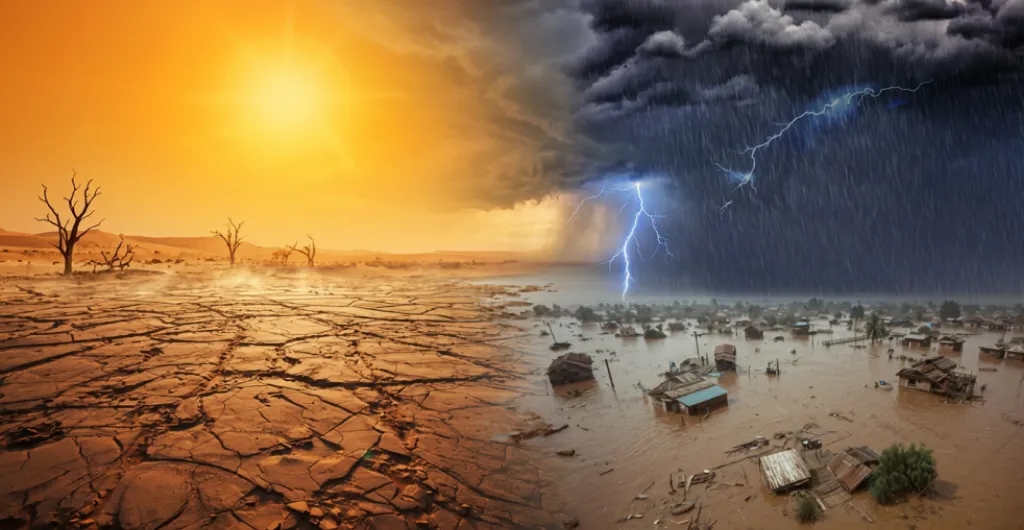
  • One year may bring long droughts. Another may bring floods within just a few days. This growing variability makes planning increasingly difficult for farmers, water managers, and communities.
  • Protecting forests, restoring wetlands, conserving water, planting native trees, and supporting sustainable farming all help strengthen nature's ability to cope with these changing conditions.
  • Climate change causing droughts and extreme floods

    Sometimes, understanding the rain is the first step toward protecting the future.

    At ChukkiMane, living close to nature offers an important reminder: every drop of rain connects rivers, forests, wildlife, farms, and people. Protecting one helps protect them all.

    Every Drop Tells a Story

    Explore how changing rainfall is reshaping nature around ChukkiMane.

    Frequently Asked Questions

    1. Why has this year’s monsoon been weaker?

    A combination of global warming, developing El Niño conditions, fewer low-pressure systems, and unfavourable atmospheric patterns reduced rainfall during the early monsoon.

    2. Does global warming always reduce rainfall?

    No. It often makes rainfall more irregular, leading to longer dry spells and more intense downpours.

    3. Why is Karnataka experiencing rainfall shortages?

    Several districts have received significantly below-normal rainfall due to delayed monsoon activity and weaker weather systems.

    4. Can the rainfall deficit improve later in the season?

    Yes. July and August often reduce early-season deficits if active monsoon systems develop, although regional differences can remain.

    5. How does low rainfall affect wildlife?

    Reduced rainfall affects forests, water sources, breeding habitats, and food availability for many birds and animals.

    6. What can individuals do to help?

    Conserve water, plant native trees, reduce carbon emissions, support sustainable farming, and protect natural ecosystems.