
facebook
  • ChukkiMane
  • No Comments
Cobra Snake

Get to Know the Ecological Importance of Snakes

Snakes-around-ChukkiMane

Get to Know the Ecological Importance of Snakes

ChukkiMane, Karnataka
As morning mist rises over the forests and farmlands around ChukkiMane, life awakens quietly beneath leaves, stones, and fallen branches. Among these unseen residents are snakes — often misunderstood, yet vital to keeping nature in harmony.
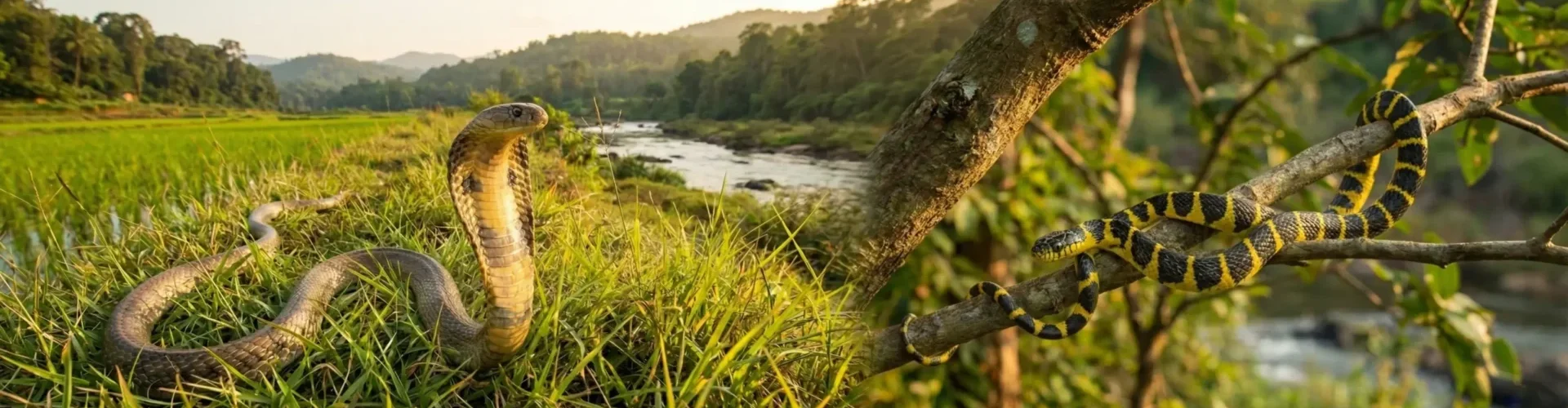
Nestled near the Kaveri river basin, ChukkiMane is surrounded by rich natural landscapes where wildlife and rural life coexist. Here, snakes are not symbols of fear. They are silent guardians, protecting crops, forests, and ecological balance with every quiet movement. To understand the natural rhythm of ChukkiMane is to understand the essential role of snakes in sustaining life around us.

Natural Pest Control

Snakes play a powerful role in maintaining balance across ecosystems. Though rarely seen, their presence supports forests, farms, and villages in multiple ways.

Rodents such as rats and mice multiply quickly and cause serious damage to crops, stored grains, and household areas. Snakes feed on these rodents, naturally regulating their population.

This supports:

  • Local farmers

  • Food storage safety

  • Reduced crop loss

  • Lower risk of rodent-borne diseases

Without snakes, rodent populations would rise rapidly, harming both agriculture and human settlements.
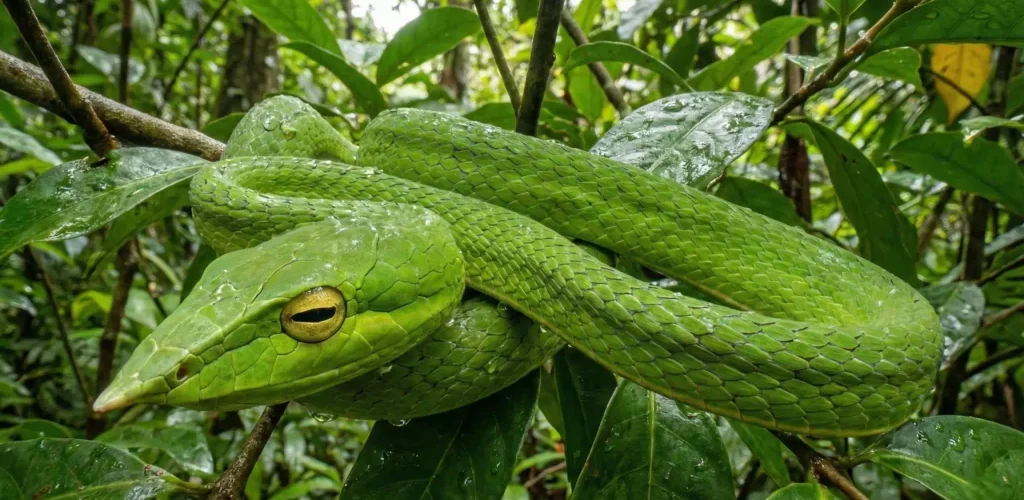
Green Vine Snake near Chukkimane

Keeping the Food Chain Balanced

Snakes occupy a critical middle layer in the food chain.

They are:

  • Predators of frogs, insects, lizards, and rodents

  • Prey for birds of prey, mongooses, and wild boars

This dual role keeps energy flowing through nature. Removing snakes would cause overpopulation of pests below and food shortages for predators above.

A healthy forest always includes snakes.

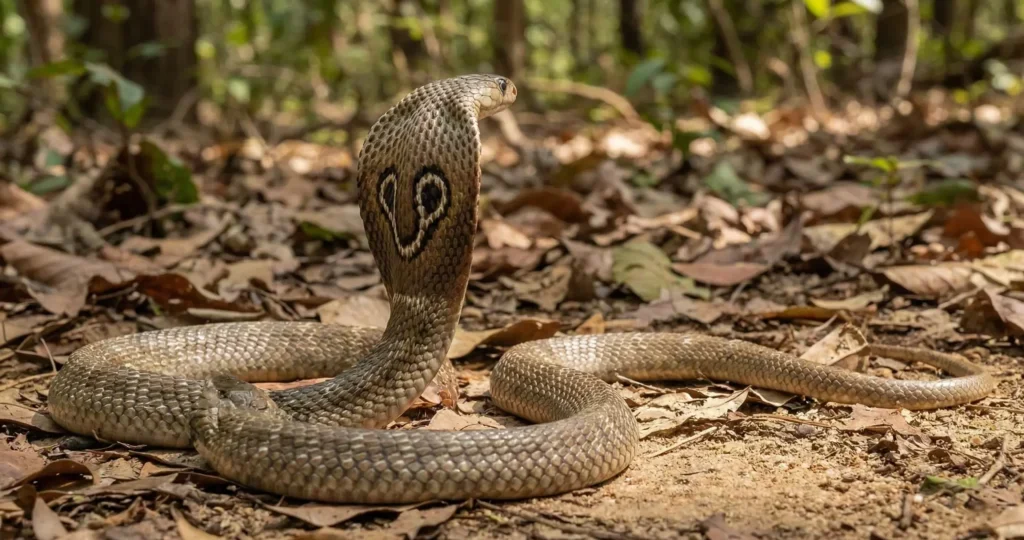
Spectaled Cobra near Chukkimane

Keeping Nature in Balance

Supporting Soil Health

As snakes move through forest floors and farm edges, they naturally aerate soil and control burrowing pests. This helps maintain loose, fertile earth — essential for healthy roots and thriving agroforestry at Chukkimane.

Connecting the Food Chain

Snakes form a crucial link between small prey and larger predators. They ensure energy flows smoothly through the ecosystem — sustaining birds of prey, mammals, and reptile life around Chukkimane.

Indicators of Climate Balance

Snakes are highly sensitive to temperature and habitat changes. Their steady presence around Chukkimane signals stable microclimates, consistent forest cover, and resilient natural systems.

Indicators of a Healthy Environment

Snakes thrive only where:

  • Soil and water are clean

  • Vegetation is abundant

  • Chemical pollution is low

  • Natural prey is available

Their presence around ChukkiMane signals an undisturbed and thriving habitat. In the Kaveri river basin region, snakes indirectly protect:

  • Forest regeneration

  • Young saplings from rodent damage

  • Soil stability

  • Natural water cycles

By keeping small-animal populations balanced, snakes help maintain the long-term health of forests and river ecosystems surrounding ChukkiMane.

“Spotting a snake here is proof that the ecosystem remains alive and balanced”
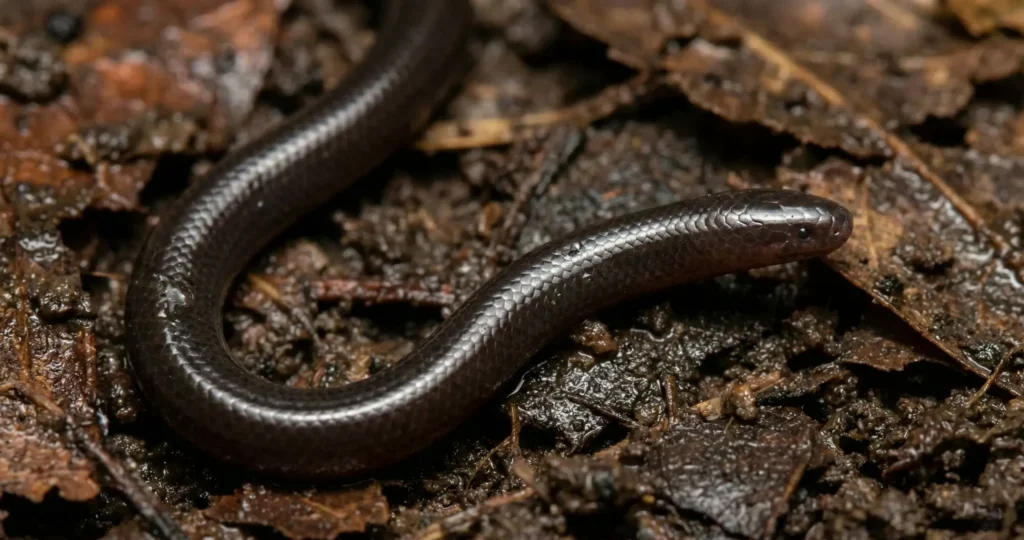
Brahminy Blind Snake near Chukkimane

Coexisting Safely With Snakes near ChukkiMane

ChukkiMane respects natural wildlife and encourages peaceful coexistence.

Guests are guided to:

  • Stay calm if a snake is spotted

  • Keep a safe distance

  • Never attempt to touch or disturb wildlife

  • Inform staff if a snake is seen near guest areas

Understanding removes fear. Respect allows nature to thrive.

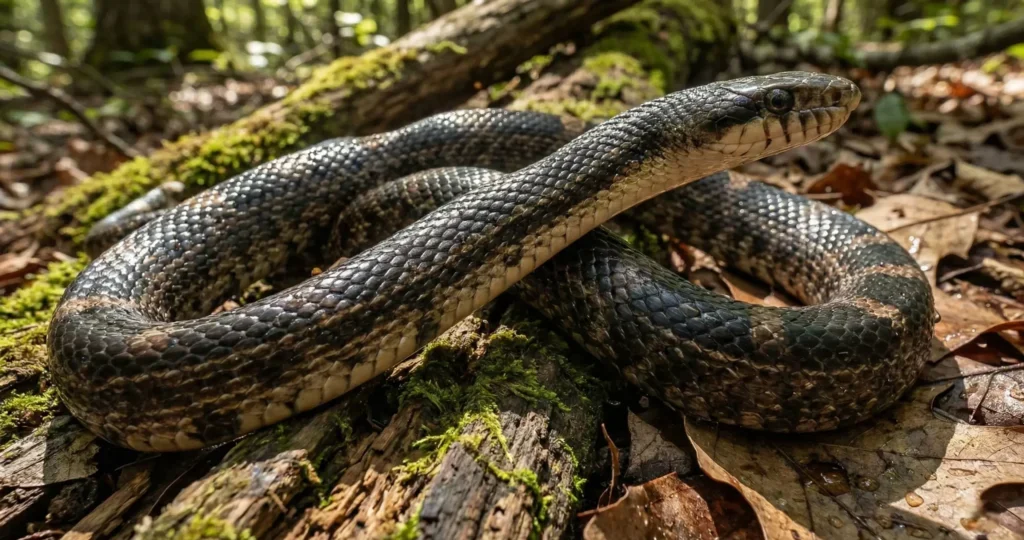
Rat Snake near Kaveri River

Common Snakes Found Near ChukkiMane

The natural surroundings of ChukkiMane provide shelter for several native snake species. Most are shy, non-aggressive, and avoid human interaction.
-Indian Rat Snake
A fast-moving, non-venomous snake that feeds mainly on rodents. A farmer’s best friend in natural pest control.
-Checkered Keelback
Often found near water bodies and paddy fields. Non-venomous and feeds on frogs and small fish.
-Green Vine Snake
A slender tree-dwelling snake that blends perfectly with forest foliage. Mildly venomous but harmless when left undisturbed.
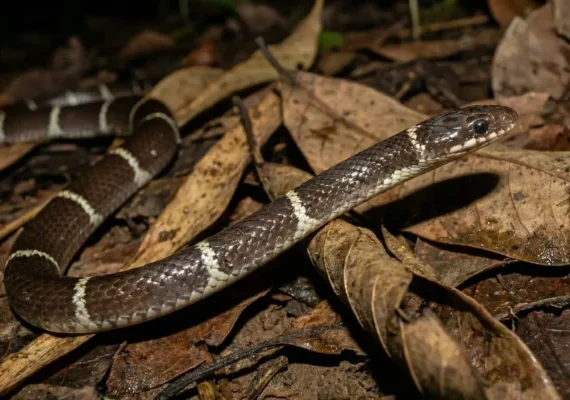
-Common Wolf Snake
Frequently seen near rural homes at night. Non-venomous and feeds on lizards and insects.
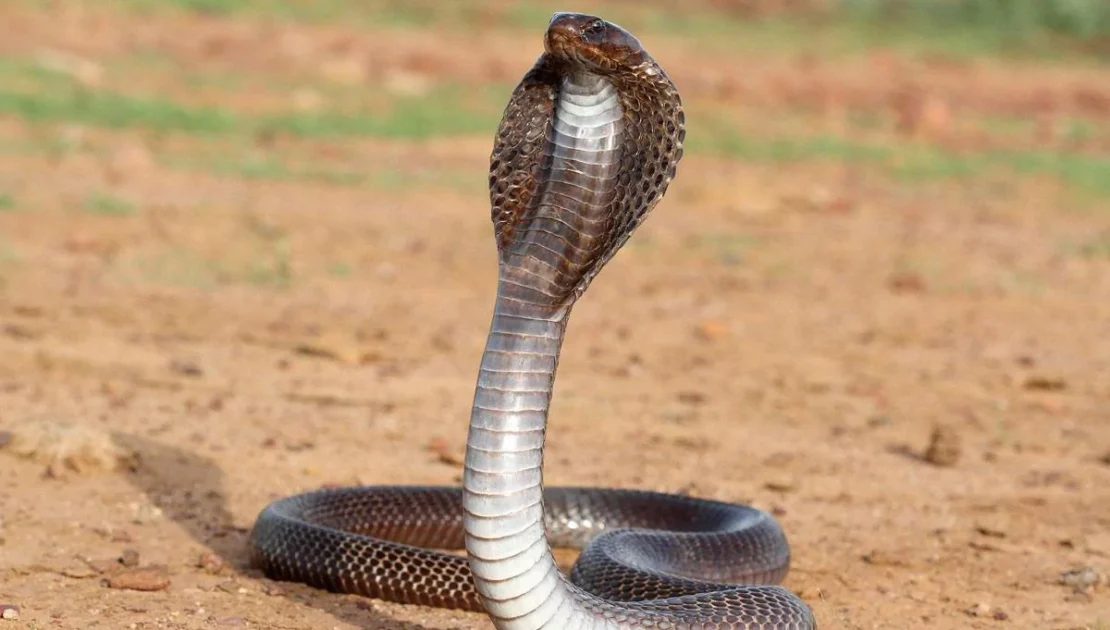
-Spectacled Cobra
Occasionally found in forest edges. Venomous but highly shy and avoids humans unless threatened.
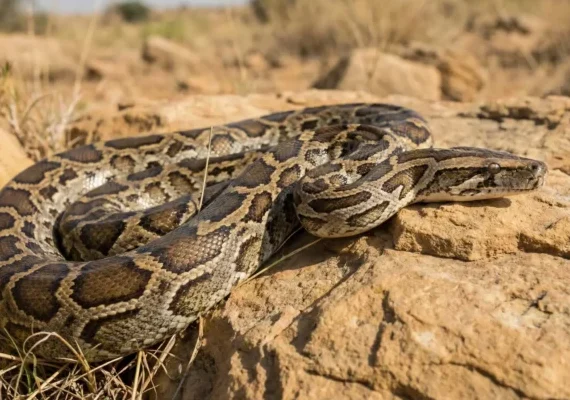
Indian Rock Python
Indian Wolf Snake near Chukkimane

At ChukkiMane, snakes remind us that every creature has a role in nature’s grand design.

Not every protector of nature roars or flies. Some move silently beneath leaves — keeping forests, farms, and rivers in perfect balance.

Snakes — Keepers of Natural Harmony

Moving silently across forest floors and farm edges, native snakes around Chukkimane play a vital role in keeping nature in balance. Their quiet presence strengthens biodiversity, soil vitality, and the self-sustaining rhythm of our forest ecosystem — making snakes true guardians of ecological harmony.

Frequently Asked Questions

Are snakes dangerous at ChukkiMane?
Most snakes here are non-aggressive and avoid humans. Bites occur only if provoked.

Will guests see snakes often?
Rarely. Snakes remain hidden and prefer undisturbed areas.

Do snakes benefit farmers?
Yes. They naturally control rodent populations that damage crops.

Why protect snakes?
Because they keep ecosystems balanced and indicate healthy nature.

What should I do if I see a snake?
Stay still, keep distance, and allow it to move away peacefully.