
facebook
  • ChukkiMane
  • No Comments
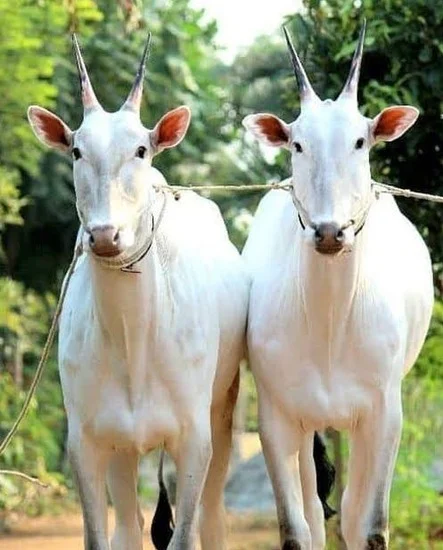
Hallikar pair for pulling Bullock Cart

Get To Know About ChukkiMane’s Goshala Residents

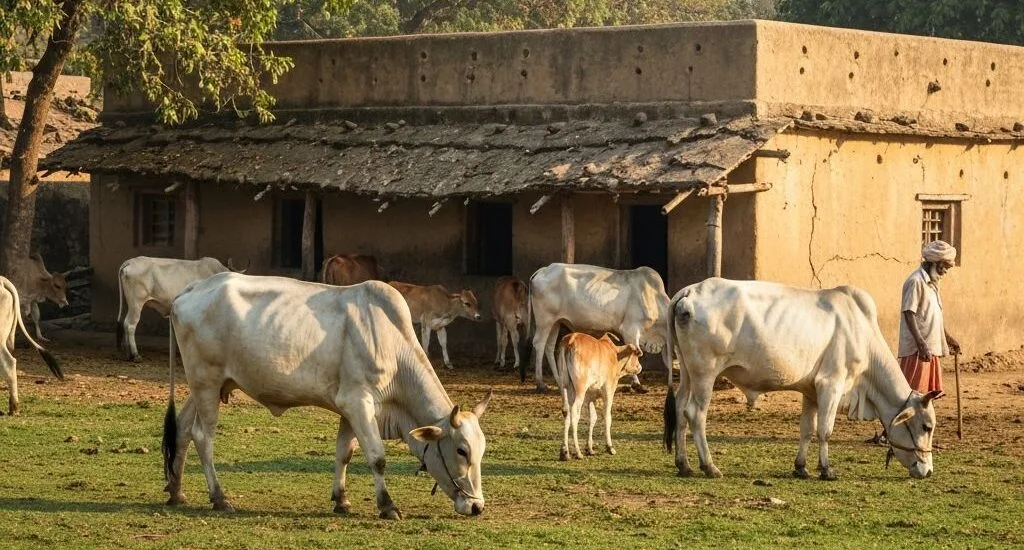
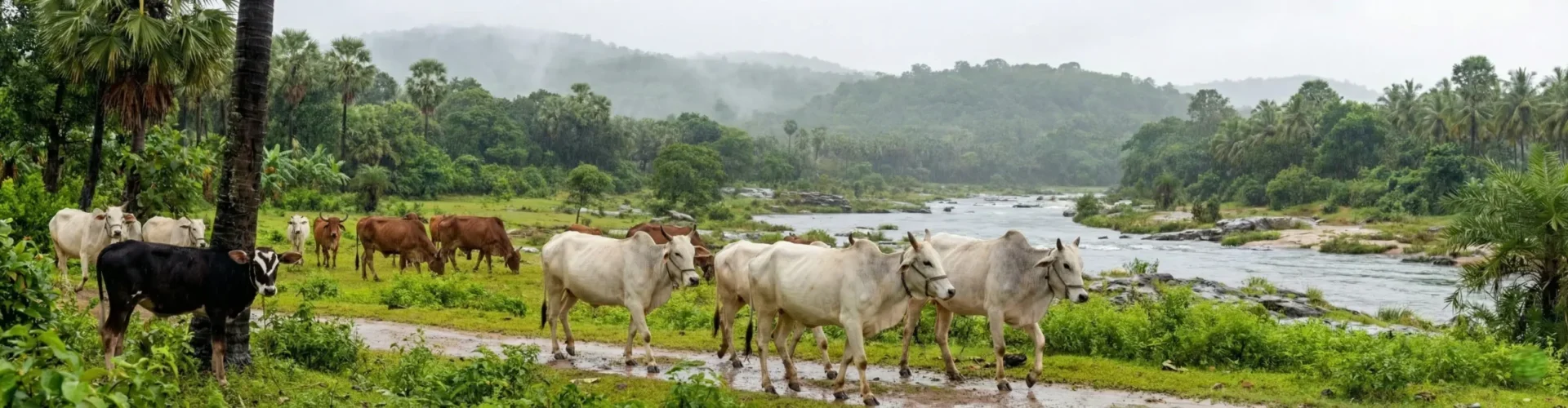
Indian Native Cows Grazing near ChukkiMane

Get To Know About ChukkiMane’s Goshala Residents

ChukkiMane, Karnataka
In the peaceful rural landscape of ChukkiMane, where agroforestry blends with open fields and the Kaveri river basin nurtures the land, the Goshala stands as a living symbol of India’s agricultural heritage.
More than a shelter for cows, ChukkiMane’s Goshala represents a conscious effort to preserve Indian native breeds, promote ecological balance, and sustain traditional farming wisdom. When indigenous cows are protected, the soil grows richer, biodiversity strengthens and farming becomes sustainable. This is the deeper philosophy behind maintaining a Goshala.

Why Indian Native Breeds Are Important?

Indian native cow breeds evolved over centuries in harmony with India’s diverse climates and landscapes. Unlike high-yield commercial breeds, indigenous cows are naturally adapted to local environments.

Their strengths include:

  • High resistance to local diseases

  • Adaptability to heat and dry climates

  • Lower water and fodder requirements

  • Ability to graze on native vegetation

  • Strong immunity and longevity

These traits make them ideal for sustainable rural ecosystems. Native breeds reduce dependency on chemical inputs and expensive maintenance, making farming resilient and self-sufficient.

Preserving them means preserving ecological intelligence developed over generations.
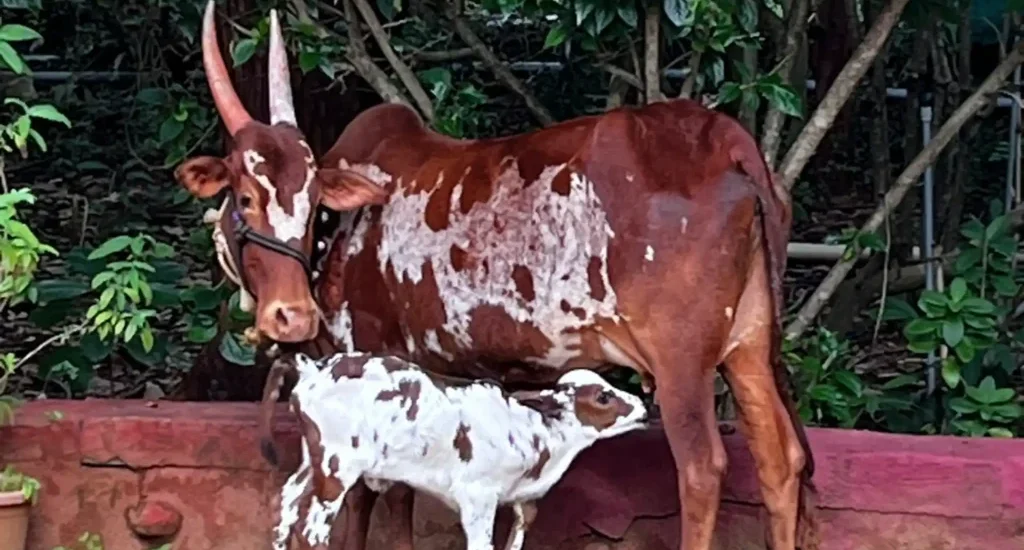
Native Cows at ChukkiMane Goshala

Major Types of Indian Native Cow Breeds

India is home to many recognized indigenous cow breeds, each suited to specific regions and purposes.

Some important native breeds include:

Gir – Originating from Gujarat, known for high-quality A2 milk and calm temperament.

Sahiwal – From Punjab region, valued for strong milk production and heat tolerance.

Tharparkar – Adapted to desert climates, highly resilient and hardy.

Ongole – Large and powerful breed from Andhra Pradesh, known for strength and disease resistance.

Kankrej – Dual-purpose breed used for both milk and draught work.

Hallikar – Karnataka’s traditional draught breed, deeply connected to regional agriculture.

Punganuru – One of the smallest indigenous breeds, requiring minimal maintenance and producing nutrient-dense milk.

Malnad Gidda – Native to Karnataka’s Western Ghats, known for resilience and high medicinal value milk.

Each of these breeds carries unique genetic traits that support biodiversity, climate resilience, and sustainable agriculture.

ChukkiMane’s Goshala reflects the importance of conserving such native heritage.

Hallikar Cattle near Chukkimane

Ecological Benefits of Indigenous Cows

Sustainable Grazing & Land Balance

Indigenous cows follow gentle and balanced grazing patterns that prevent overgrazing and soil erosion. Unlike intensive commercial systems, they integrate smoothly into agroforestry and natural farming models.

Soil Fertility & Microbial Life

Their dung and urine enrich the soil naturally — enhancing fertility, increasing microbial life, supporting organic farming, and producing nutrient-rich compost that reduces chemical fertilizer dependence.

Biodiversity & Ecological Protection

Healthy soil leads to healthier crops, improved water retention, and stronger biodiversity. In regions like the Kaveri river basin, this ecological balance plays a vital role in protecting land and water systems.

Nutritional and Health Benefits of Native Cow Milk

Milk from Indian native breeds is known for containing A2 beta-casein protein, which is traditionally considered easier to digest.

Benefits include:

  • Better digestibility

  • Higher nutritional density

  • Richer ghee quality

  • Traditional medicinal uses

Unlike industrial dairy systems focused purely on volume, indigenous breeds offer milk aligned with holistic nutrition and natural living.

“At ChukkiMane’s Goshala, the emphasis is not on maximum output, but on mindful nourishment”
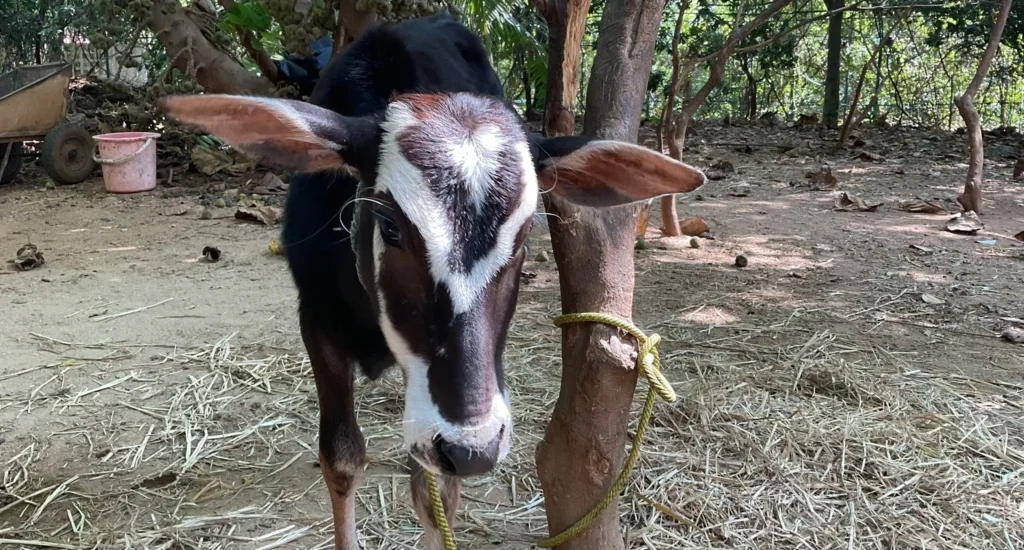
Native Calf at ChukkiMane

Goshala as a Model of Sustainable Rural Ecosystem

The Goshala at ChukkiMane functions as part of a larger ecological cycle that includes: Agroforestry, Native tree plantations, Bird habitats, Natural farming systems
The cycle is simple yet powerful: Cows enrich soil → Soil nourishes plants → Plants support wildlife → Biodiversity strengthens the ecosystem. By preserving Indian breeds, ChukkiMane supports a self-sustaining rural model rooted in harmony rather than exploitation. The Goshala becomes not just a shelter, but a classroom — teaching guests about ecological responsibility and traditional sustainability.
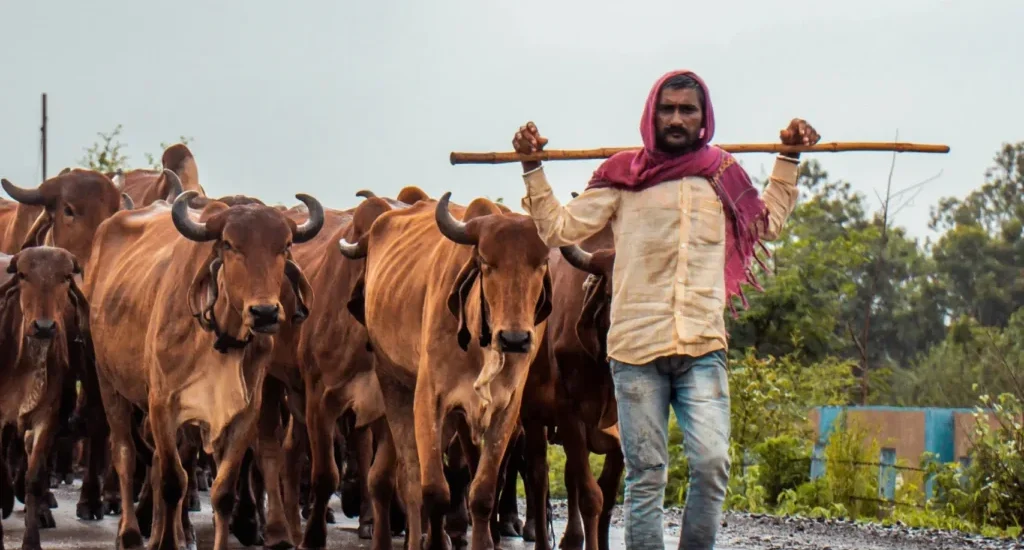
Cows returning to ChukkiMane after grazing

True sustainability begins with respecting the wisdom of nature

At ChukkiMane’s Goshala, Indian native breeds stand as living guardians of soil, culture, and ecological balance.

Sacred Cattle, Sustainable Land

Witness how our indigenous cows protect the land and enrich the earth—feel the living rhythm of nature at Chukkimane.

FAQs — ChukkiMane’s Goshala & Indian Native Breeds

Why are Indian native cow breeds important?
They are climate-adapted, disease-resistant, and essential for sustainable agriculture.

What is special about A2 milk from indigenous cows?
It contains A2 protein, which is traditionally considered easier to digest and nutritionally beneficial.

How do cows help soil health?
Their dung enhances microbial activity and naturally fertilizes farmland.

Are native breeds better for the environment?
Yes, they require fewer resources and integrate well into ecological farming systems.

Why does ChukkiMane maintain a Goshala?
To preserve indigenous breeds, promote ecological farming, and educate visitors about sustainable living.