
facebook
  • ChukkiMane
  • No Comments
Insects around Chukkimane

Why Monsoon Is the Busiest Season for Insects at ChukkiMane

Insects come alive during Monsoon

Why Monsoon Is the Busiest Season for Insects at ChukkiMane

ChukkiMane, Karnataka
The first monsoon rain changes more than just the landscape.
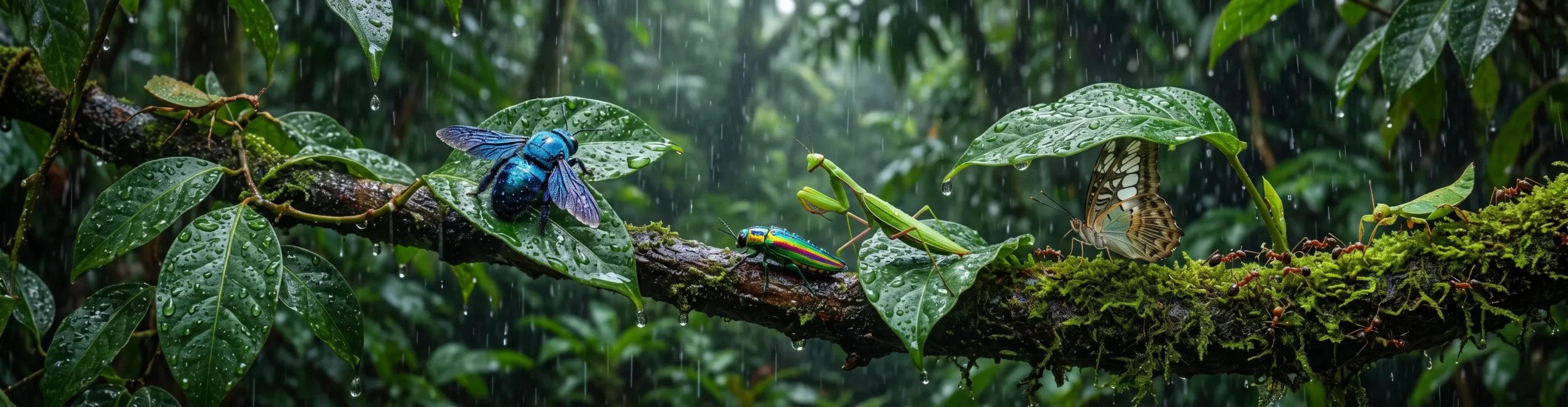
The earth smells richer. Streams begin to flow. Trees burst into vibrant shades of green. And almost overnight, another world awakens—one that most people notice only in passing. Butterflies flutter through gardens, dragonflies skim over ponds, ants build busy trails, and crickets fill the evening with their songs. At ChukkiMane, the monsoon is not just a beautiful season—it is a living classroom where nature reveals one of its most fascinating transformations. What may seem like an increase in insects is actually nature doing exactly what it was designed to do.

The Rain Doesn't Bring Insects—It Awakens Them

Have you ever wondered why insects suddenly seem to appear everywhere after the first rains?

The truth is, they were always around.

Many insects spend the hot summer months hidden beneath the soil, inside tree bark, or in dormant stages waiting for the right conditions. As rain cools the earth, increases humidity, and fills natural water sources, countless species begin feeding, breeding, and rebuilding their populations.

At ChukkiMane, surrounded by forests, open fields, fruit trees, and the Kaveri landscape, guests witness this remarkable transformation every monsoon.

It isn’t an invasion—it’s nature beginning another cycle of life.
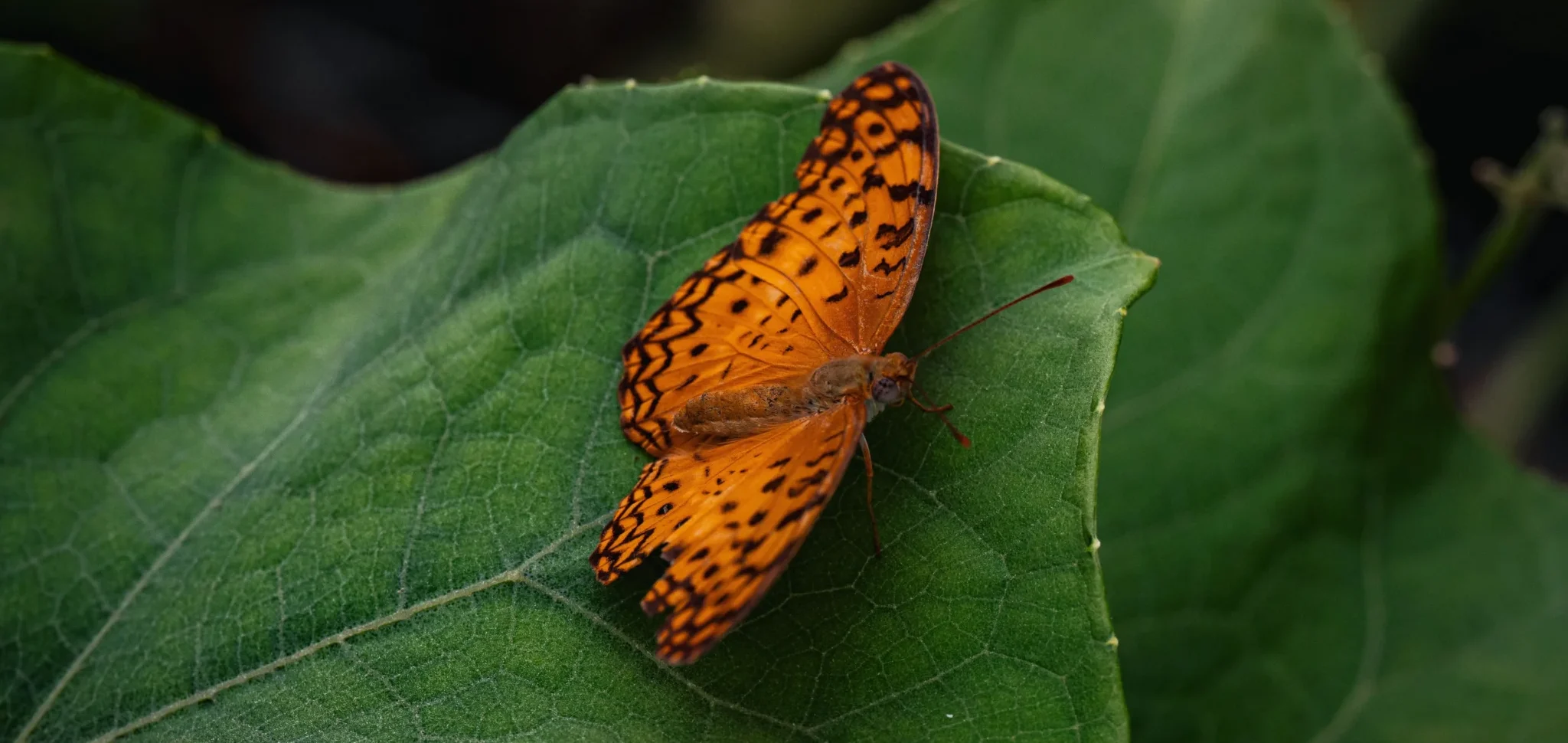
A butterfly around ChukkiMane

Every Tiny Insect Has a Big Role in Nature

It’s easy to think insects are simply part of the rainy season.

In reality, they quietly perform some of the most important jobs in every healthy ecosystem.

Bees pollinate flowering plants. Butterflies help reproduce wildflowers. Dragonflies naturally control mosquito populations. Ants recycle nutrients by breaking down organic matter.

Without these tiny workers, forests would struggle to regenerate, crops would decline, and countless birds and animals would lose an essential food source.

At ChukkiMane, every buzzing insect becomes a reminder that even the smallest creatures help keep nature in balance.

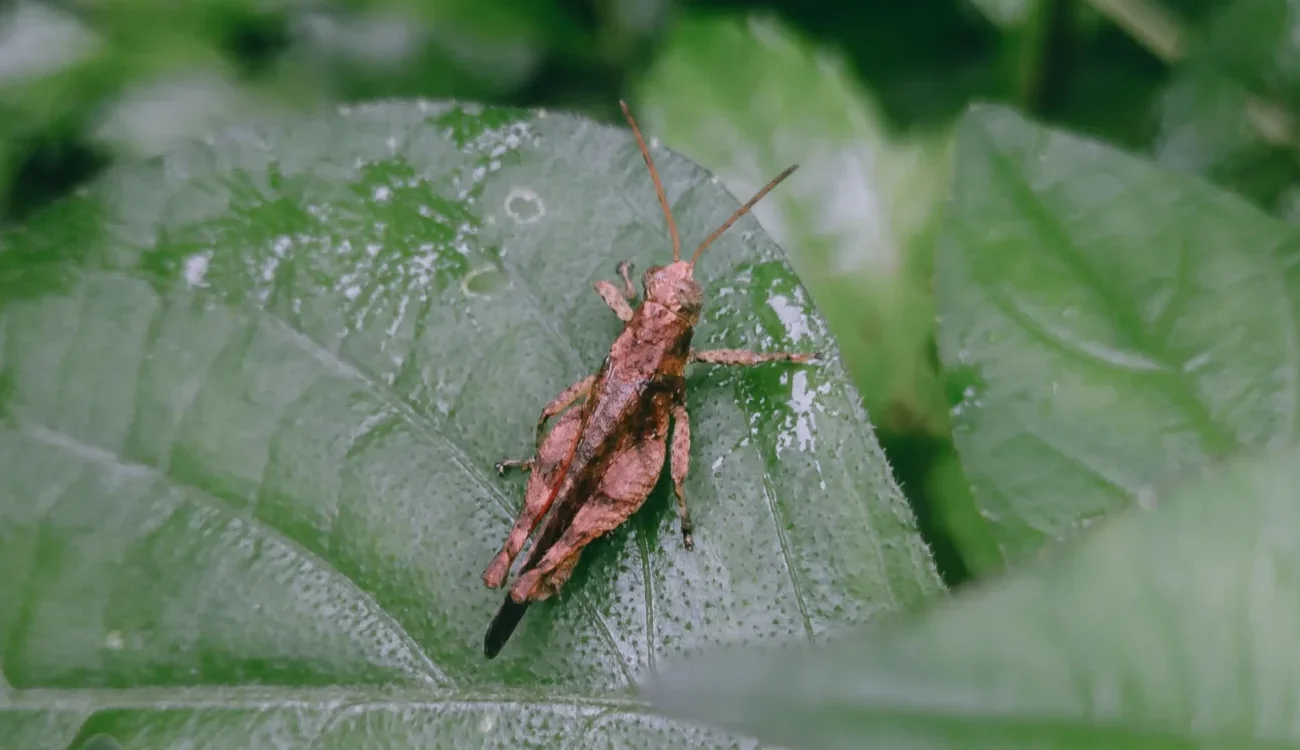
An insect resting on a leaf

What Makes Monsoon the Perfect Season for Insects?

Rain Creates New Life

Moist soil becomes ideal for breeding.

Small ponds and puddles support aquatic insects.

Fresh vegetation provides abundant food.

Nature Becomes a Giant Buffet

Flowering plants attract bees and butterflies.

Decaying leaves nourish decomposer insects.

Dense greenery offers shelter and protection.

The Entire Food Chain Comes Alive

Birds become more active while feeding.

Frogs and reptiles find abundant prey.

Healthy insect populations strengthen biodiversity.

Monsoon at ChukkiMane Is a Living Nature Documentary

Many visitors arrive expecting beautiful waterfalls and lush greenery.

What surprises them most is everything happening beneath the trees.

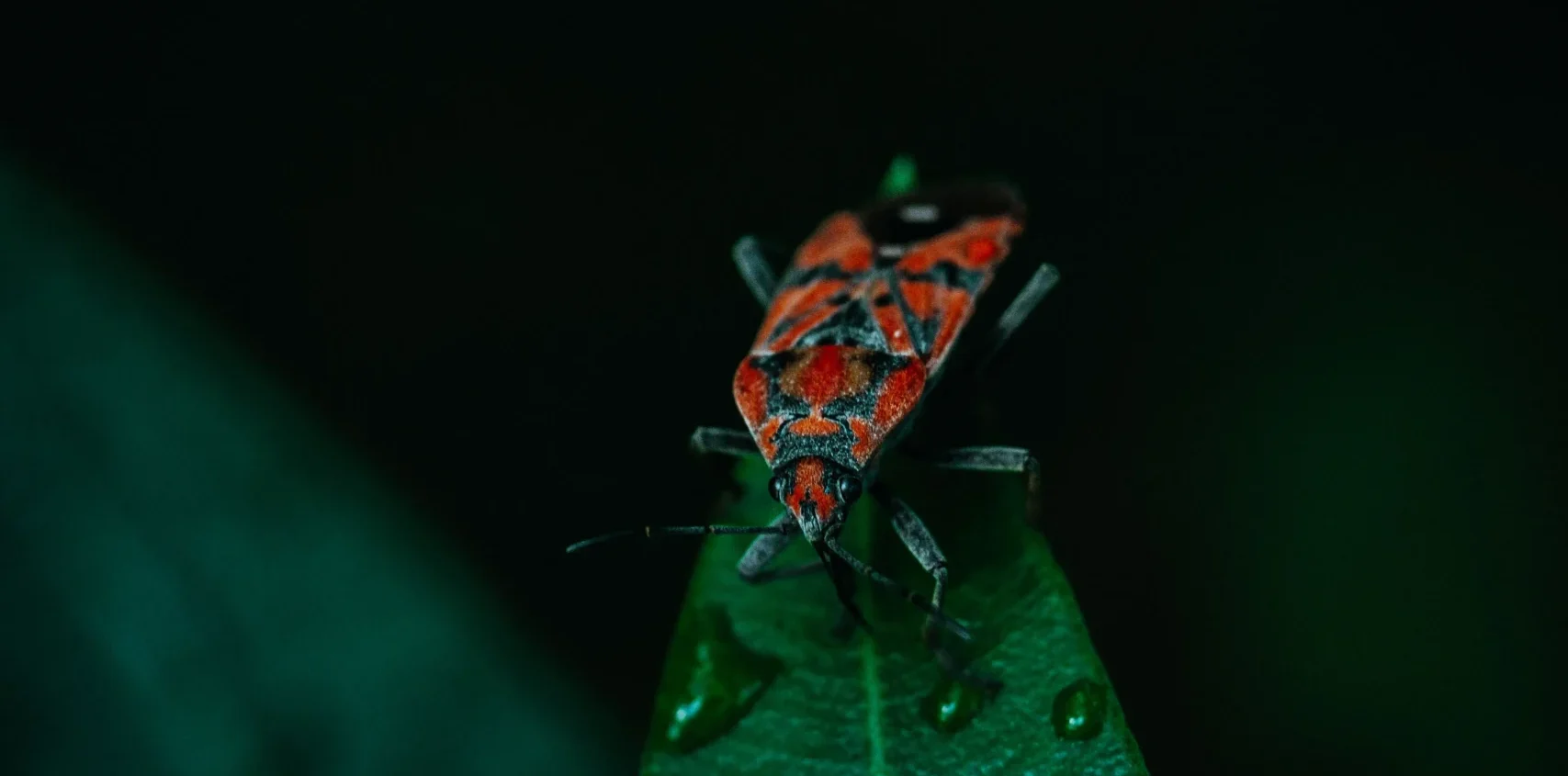
Children become fascinated watching butterflies land on flowers. Dragonflies hover over water. Bright beetles appear after gentle showers. Fireflies sometimes light up the evening during the right conditions.

Instead of simply seeing insects, guests begin noticing how every small creature plays an important role in the landscape around them.

“It transforms a simple walk into an unforgettable nature experience.”
Insects around Chukkimane

Sometimes the Smallest Creatures Tell the Biggest Stories

Monsoon teaches us something remarkable. Nature isn't measured by size.
  • A butterfly pollinates flowers.
  • An ant enriches the soil.
  • A dragonfly protects wetlands by feeding on mosquitoes.
  • Together, millions of tiny insects quietly sustain the forests, rivers, and fields surrounding ChukkiMane. Once you begin noticing them, you'll never look at the rainy season the same way again.
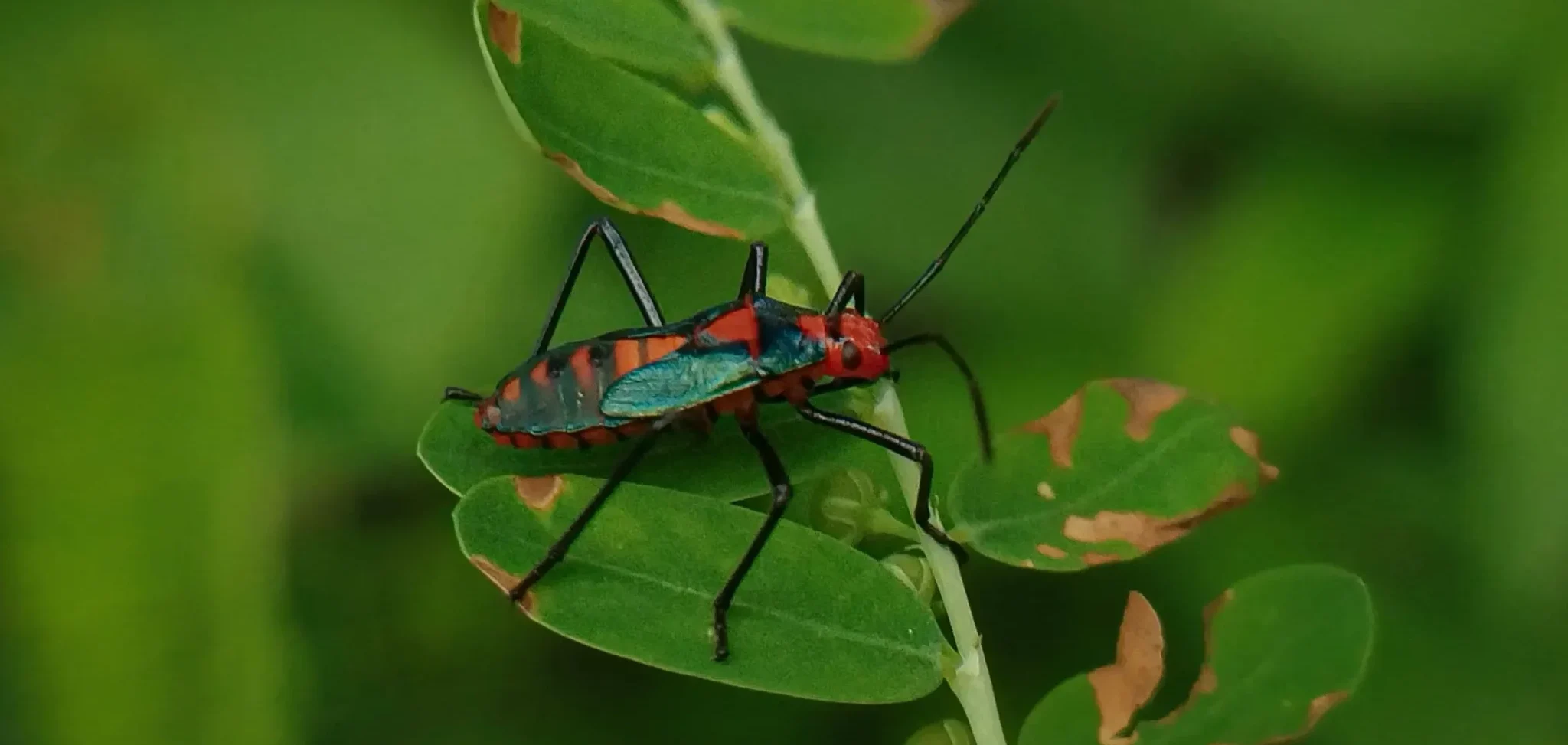
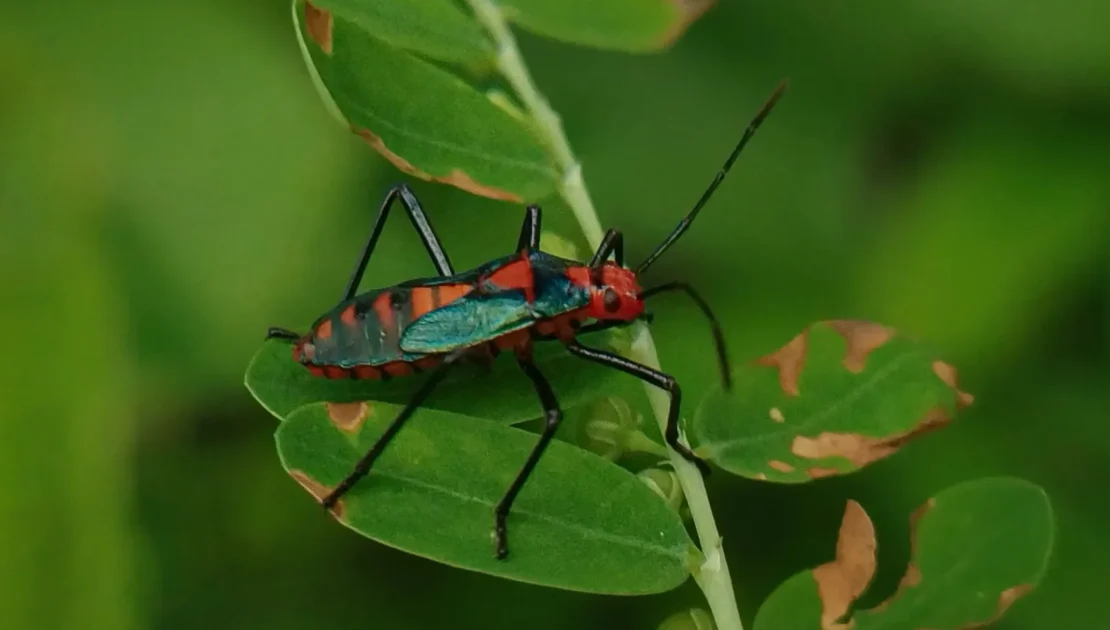
  • Bug on a leaf after a rain

    The Rain Awakens More Than Greenery

    With every monsoon shower, forests, flowers, and insects begin one of nature’s most extraordinary seasons. Experience this beautiful transformation at ChukkiMane.

    The Smallest Creatures Keep Nature Alive

    Every butterfly, dragonfly, bee, and ant plays a vital role in keeping forests, flowers, and wildlife thriving. At ChukkiMane, the monsoon reveals this hidden world in its most beautiful form.

    Frequently Asked Questions

    1. Why do insects suddenly appear during the monsoon?

    Rain provides moisture, food, and breeding conditions that encourage insects to become active after the dry summer months.

    2. Are all insects harmful?

    No. Most insects are beneficial and help with pollination, decomposition, and maintaining healthy ecosystems.

    3. Why are there more butterflies during the rainy season?

    Monsoon encourages plants to flower and produce fresh leaves, providing food and breeding habitats for butterflies.

    4. Do dragonflies help control mosquitoes?

    Yes. Dragonflies are natural predators that feed on mosquitoes and other small insects.

    5. Can children learn about insects at ChukkiMane?

    Absolutely. The natural surroundings provide an excellent opportunity to observe insects safely while learning about biodiversity.

    6. Why is biodiversity important during monsoon?

    Healthy insect populations support birds, reptiles, amphibians, and plant reproduction, creating balanced ecosystems.

    7. Is the monsoon the best season to experience nature at ChukkiMane?

    Yes. The rainy season brings lush greenery, active wildlife, colorful insects, flowing water, and vibrant natural landscapes.