
facebook
  • ChukkiMane
  • No Comments
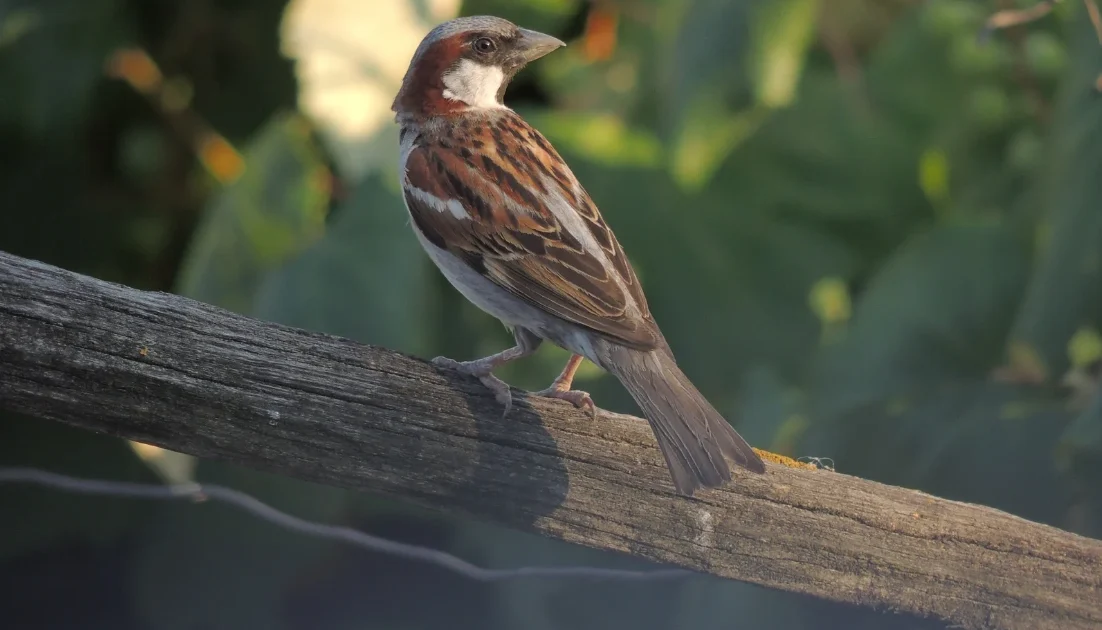
Sparrow on a branch

The Return of the Indian Sparrow

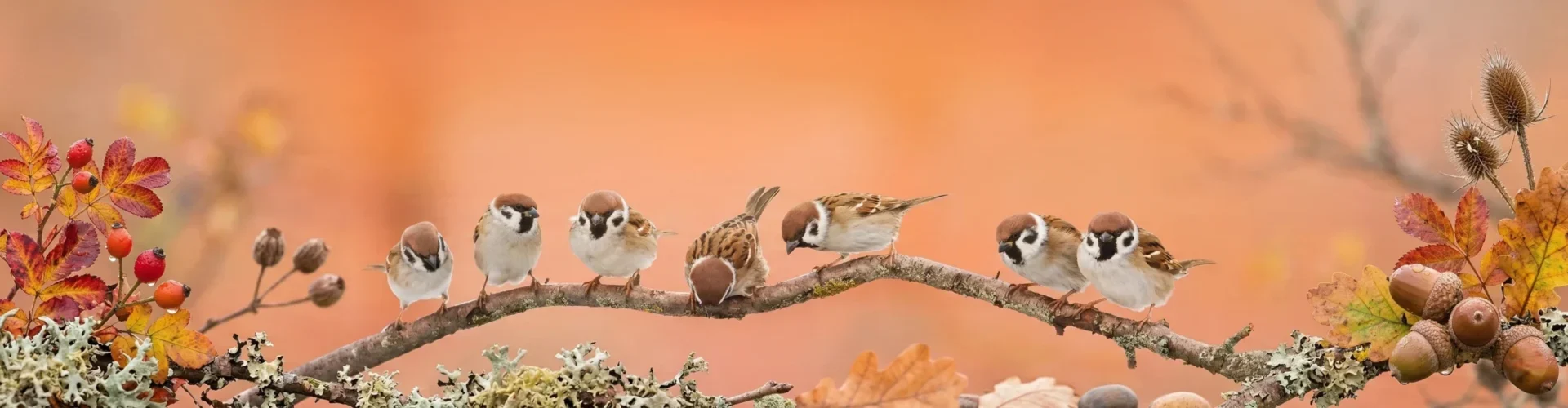
Sparrows lined up on a branch in the evening

The Return of the Indian Sparrow

A Small Bird with a Big Ecological Story
Once one of the most familiar birds across Indian homes, the Indian House Sparrow (Passer domesticus indicus) was a constant companion of everyday life. Its cheerful chirping echoed in courtyards, rooftops, farms, and village streets.
However, over the past few decades, sparrows have become noticeably rare in many cities. Urban development, pollution, modern construction, and changes in lifestyle have disrupted their natural habitats. At ChukkiMane, surrounded by farms, trees, and natural landscapes, sparrows continue to thrive. Observing these small birds reminds us how important it is to protect natural environments that support biodiversity.

A Familiar Bird of Indian Homes

The Indian House Sparrow is a small brown-grey bird that has lived alongside humans for thousands of years. Traditionally, sparrows built their nests in:

  • roof tiles

  • small wall openings

  • wooden beams

  • thatched houses

  • village barns and grain storage areas

Because of this close relationship with human settlements, sparrows were once extremely common across India.

They feed mainly on:

  • seeds and grains

  • small insects

  • food scraps around homes

  • agricultural crops

In rural areas like ChukkiMane, sparrows still find the perfect environment with natural vegetation, traditional structures, and abundant food sources.
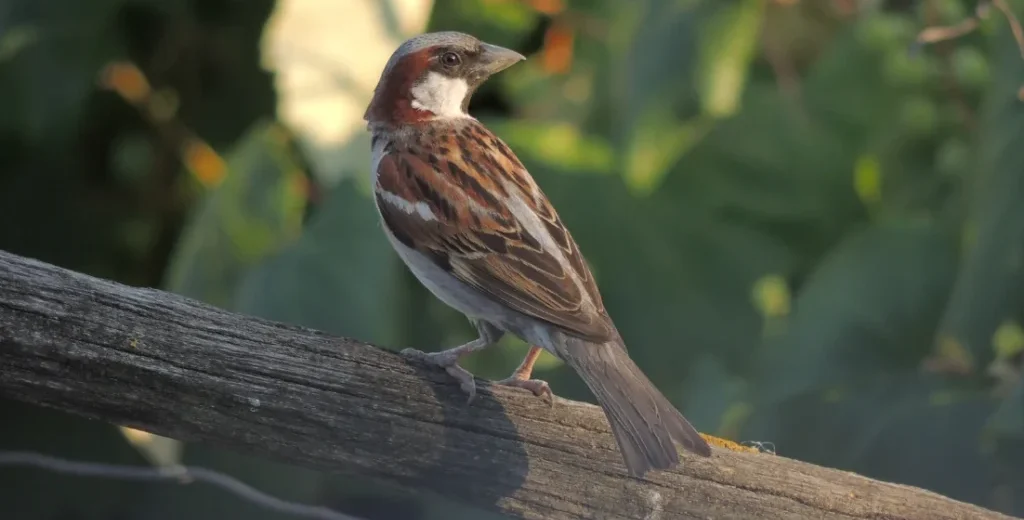
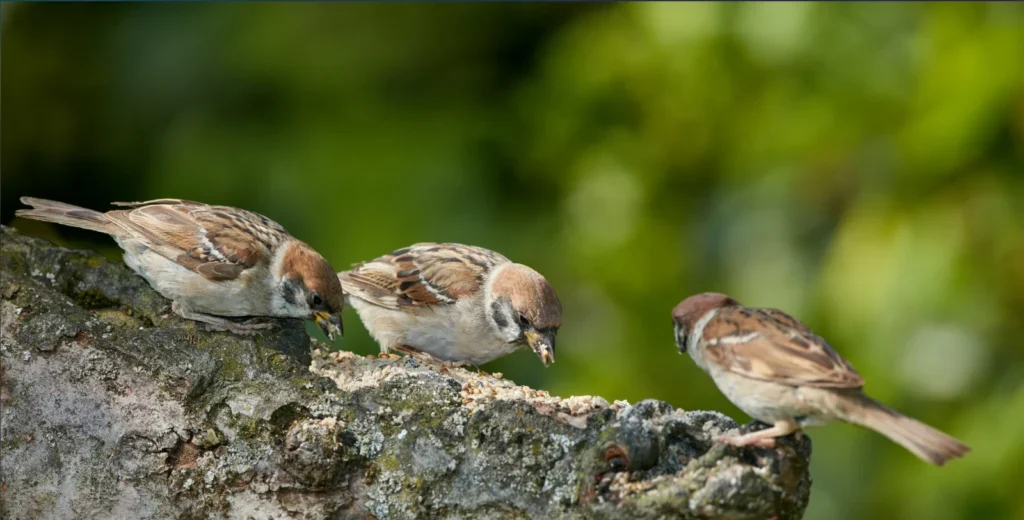
Sparrow on a branch

Why Sparrows Disappeared from Many Cities

In many Indian cities, sparrow populations have declined significantly over the last two decades. Several environmental changes contributed to this decline.

Loss of Nesting Spaces

Modern buildings use sealed glass, steel, and concrete designs that leave no small cavities or openings for sparrows to build nests.

Reduced Food Sources

Urban landscaping replaced native plants with decorative plants that produce fewer seeds and insects.

Pollution and Noise

Air pollution and high noise levels disrupt the natural behavior of many bird species, including sparrows.

Mobile Towers and Radiation Debate

Some researchers and conservationists believe electromagnetic radiation from communication towers, including those introduced during the 4G and 5G expansions, may disturb bird navigation and breeding behavior. While scientific research is still ongoing, habitat loss remains the primary cause of sparrow decline.

Indian Sparrow feeding on grains

Nature-Friendly Environments That Support Sparrows

Natural Food Sources

Sparrows thrive in environments where seeds, grains, and insects are easily available. Farms, gardens, and natural vegetation provide them with abundant food throughout the year. At ChukkiMane, organic farming and native plants create a healthy ecosystem where sparrows can feed naturally.

Safe Nesting Spaces

Unlike modern cities, rural environments still provide safe nesting places for sparrows. They build nests in tree branches, wooden structures, farm buildings, and natural crevices. These secure nesting spaces help sparrow populations survive and grow.

Balanced Ecosystems

Sparrows are an important part of natural ecosystems. By feeding on insects, they help control pest populations naturally. Healthy environments with diverse plants and insects support bird species like sparrows and maintain ecological balance.

Are Sparrows Still Alive in India?

Yes, sparrows are still very much alive in India, but their populations vary depending on the environment.

They remain common in:

  • rural villages

  • farms and agricultural landscapes

  • nature reserves

  • eco-friendly campuses

  • traditional settlements

Many conservation groups across India now celebrate World Sparrow Day (March 20) to raise awareness about protecting sparrows and their habitats.

“Simple steps like installing bird feeders, planting native plants, and building nest boxes can help sparrows return to urban environments”
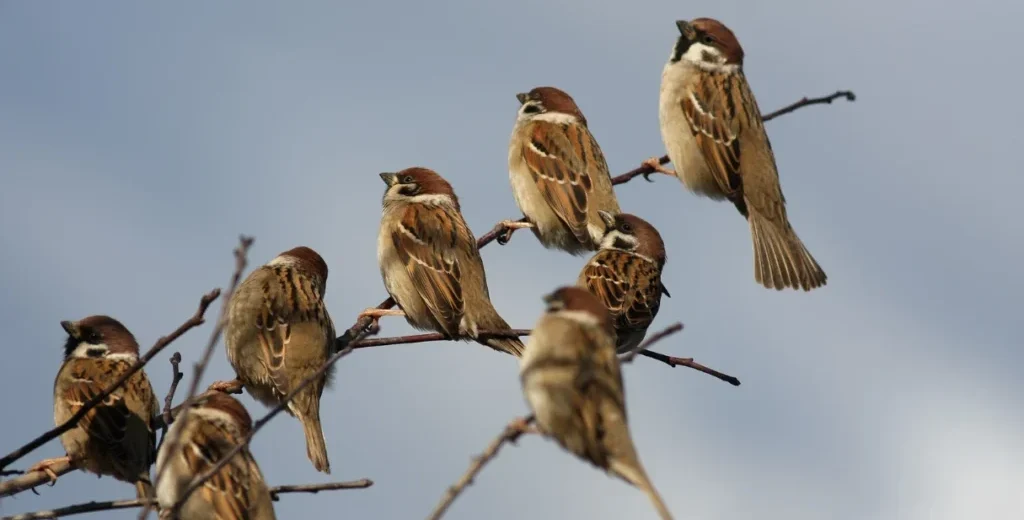
Sparrow group on a tree branch

Protecting the Sparrow for Future Generations

Saving sparrows is not just about protecting one bird species — it is about restoring healthy ecosystems.
Sparrows thrive where natural vegetation exists, pesticides are limited, traditional architecture supports nesting, biodiversity is protected. Places like ChukkiMane demonstrate how rural landscapes, organic farming, and nature-friendly environments can support bird life and ecological balance.
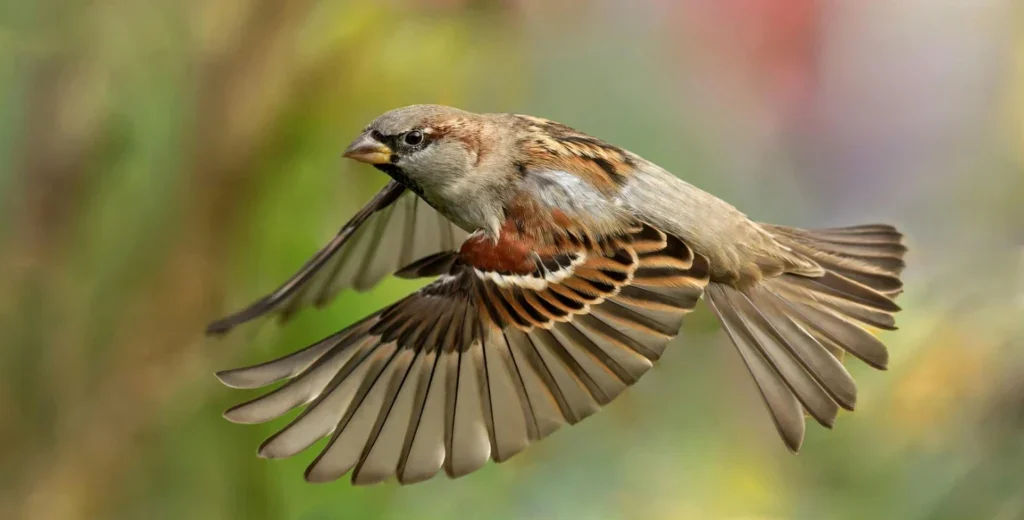
Flying sparrow in action

The Return of a Familiar Chirp

Protecting sparrows reminds us that even the smallest creatures play an important role in sustaining nature.

A Bird That Grew Up With Us

Though tiny, sparrows play an important role in maintaining ecological balance by feeding on insects and spreading seeds. Protecting their habitats helps restore healthy ecosystems.

Frequently Asked Questions

1. Why did sparrows disappear from many cities?

Urban development, loss of nesting spaces, pollution, and reduced food sources caused sparrow populations to decline.

2. Are sparrows still found in India?

Yes. Sparrows are still common in rural areas, farms, and nature-rich environments.

3. What do sparrows eat?

Sparrows mainly eat seeds, grains, and small insects.

4. Why are sparrows important for ecosystems?

They help control insect populations and contribute to biodiversity.

5. How can we help sparrows return?

Plant native plants, install bird feeders, and provide nesting boxes.