
facebook
  • ChukkiMane
  • No Comments
Ugadi Pachadi

Ugadi at ChukkiMane — Celebrating New Beginnings in Harmony with Nature

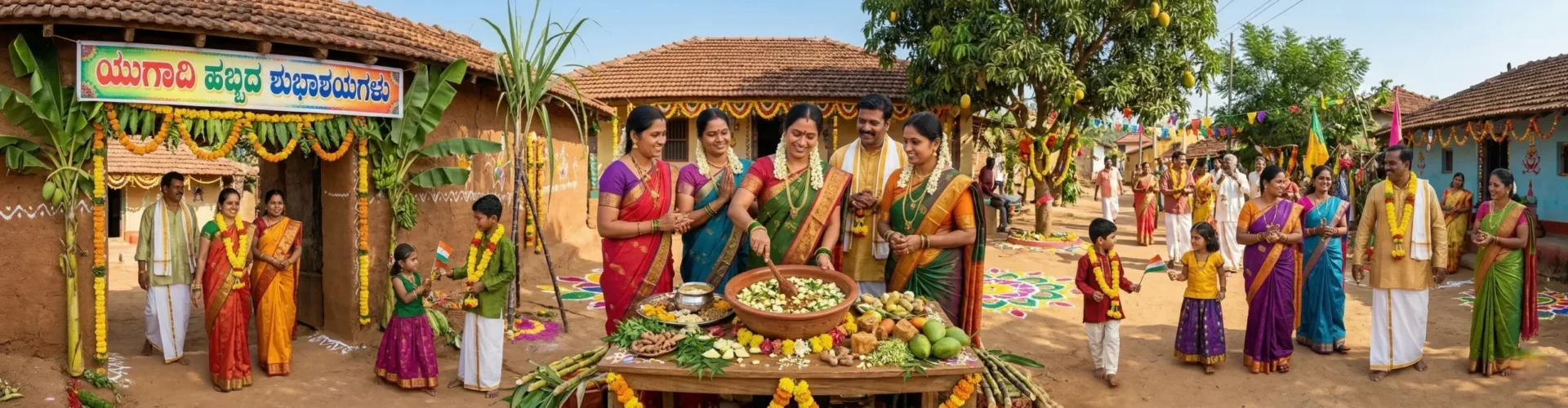
Ugadi festival in village

Celebrating New Beginnings in Harmony with Nature

ChukkiMane, Karnataka
As spring gently arrives across the Cauvery river basin, nature awakens with fresh blossoms, tender leaves, and the promise of a new agricultural cycle. In this season of renewal, families across Karnataka celebrate Ugadi, the traditional New Year that marks the beginning of a new era and a fresh chapter of life.
At ChukkiMane, Ugadi is not just a festival — it is an opportunity to reconnect with nature, honor ancient traditions, and celebrate the wisdom of seasonal living. Through rituals, traditional foods, and community gatherings, Ugadi reminds us that life, like nature, moves in cycles of growth, change, and renewal.

The Meaning of Ugadi: Beginning of a New Era

The word Ugadi comes from the Sanskrit words Yuga (era) and Adi (beginning), symbolizing the start of a new year in the Hindu lunar calendar.

The festival falls on the first day of the lunar month of Chaitra, usually in March or April, marking the arrival of spring across southern India.

Traditionally celebrated in Karnataka, Andhra Pradesh, and Telangana, Ugadi represents:

• Renewal and fresh beginnings
• Spiritual awakening
• Gratitude for the previous year
• Hope and prosperity for the coming year

Just as nature renews itself with blooming flowers and new leaves, Ugadi symbolizes a chance for people to renew their thoughts, intentions, and aspirations.
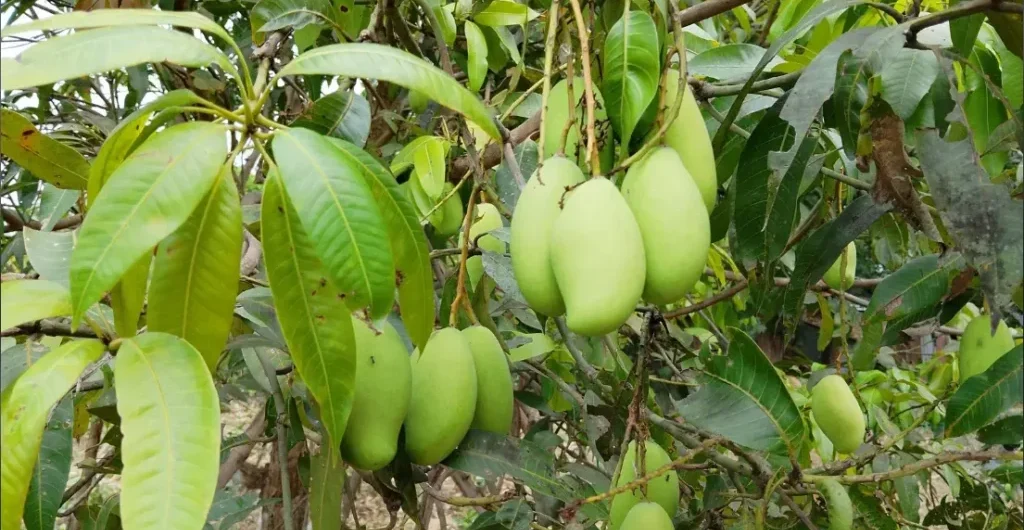
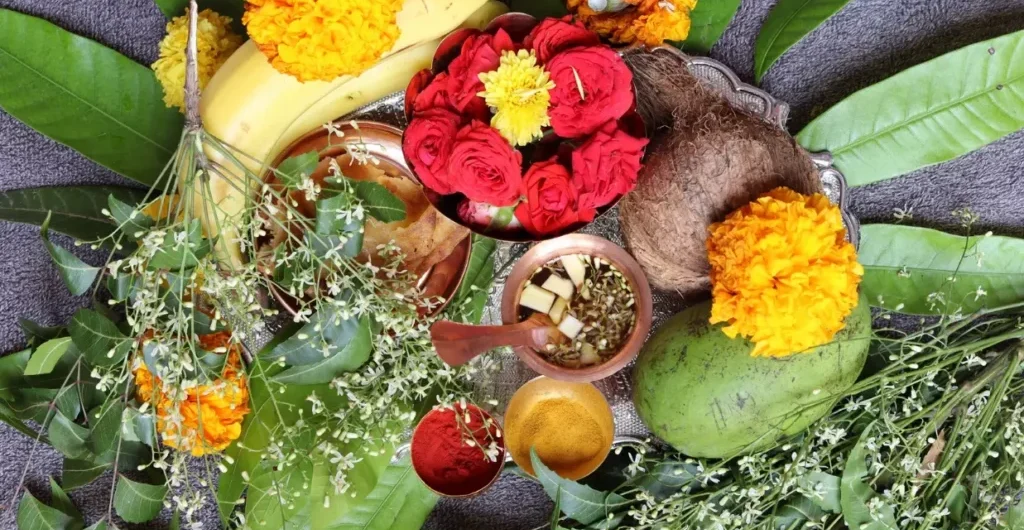
Raw mangoes for Ugadi festival

Rituals and Traditions of Ugadi

Preparations for Ugadi begin days before the festival. Homes are cleaned and decorated to welcome positive energy and prosperity.

Common Ugadi traditions include:

Cleaning and Decorating Homes

Doorways are adorned with fresh mango leaf toranas, believed to bring prosperity and protect the household from negativity.

Rangoli Designs

Colorful rangoli patterns are drawn at the entrance of homes, symbolizing joy and auspicious beginnings.

Oil Bath and New Clothes

Families begin the day with an oil bath (Abhyanga Snanam) followed by wearing new clothes, representing purification and renewal.

Temple Visits and Panchanga Reading

Many families visit temples where priests read the Panchanga (astrological almanac) for the new year, forecasting seasonal changes and fortunes.

These rituals create a deep sense of cultural continuity and spiritual reflection.

Special recipe of Ugadi

Ugadi at ChukkiMane — Culture, Food & Nature Together

Traditional Ugadi Celebrations

At ChukkiMane, Ugadi is celebrated with authentic rituals, cultural storytelling, and village traditions that reflect the true spirit of the festival. The celebration brings people together to welcome the new year with gratitude, joy, and hope.

Seasonal Ugadi Festive Foods

Traditional Ugadi dishes like Holige, Kosambari, Puliyogare, and fresh mango preparations celebrate the flavors of the season. These meals reflect centuries of nutritional wisdom rooted in seasonal, locally grown ingredients.

Celebrating Ugadi in Nature

Surrounded by farms, forests, and the Cauvery basin landscape, Ugadi at ChukkiMane connects culture with nature. Visitors can enjoy peaceful nature walks while celebrating the new year in harmony with the environment.

Ugadi Pachadi: The Philosophy of Life in a Bowl

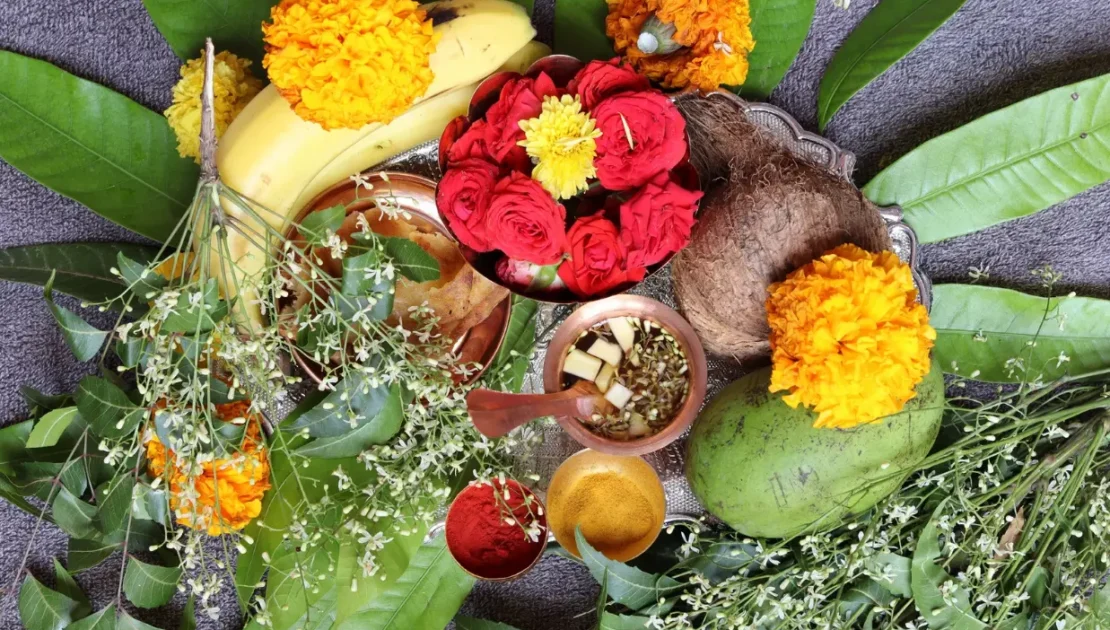
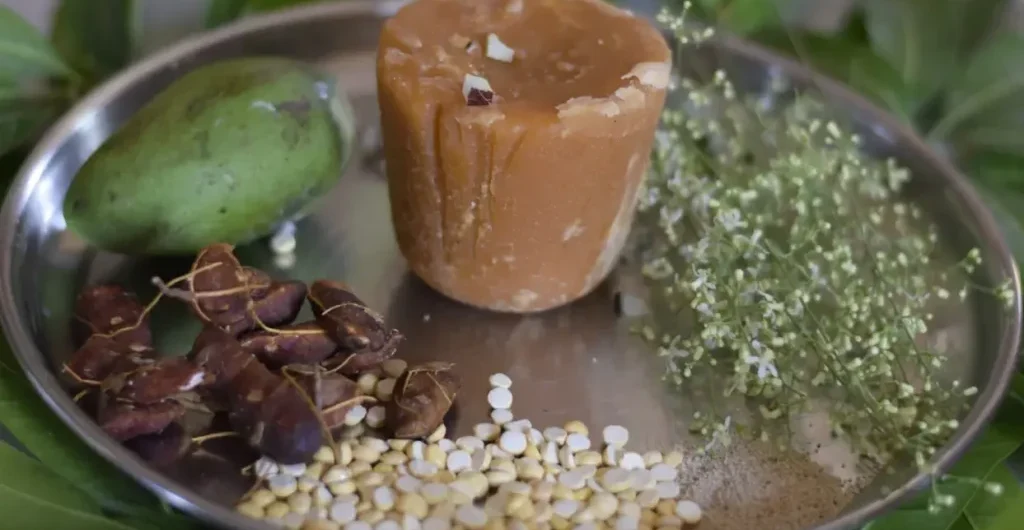
One of the most unique traditions of Ugadi is the preparation of Ugadi Pachadi, a special dish made from six ingredients representing six flavors of life.

Ingredients include:

• Neem flowers — bitterness
• Jaggery — sweetness
• Tamarind — sourness
• Raw mango — tanginess
• Chili — spice
• Salt — balance

Together they symbolize the six emotions of life: happiness, sadness, anger, fear, surprise, and disgust.

This dish teaches a profound life lesson:

Life is not made only of sweet moments — it contains many flavors, and each experience helps us grow stronger.

“In Karnataka, a similar preparation called Bevu Bella (neem and jaggery) is shared among families to represent the balance of sweet and bitter experiences in life”
Ugadi Pachadi

Ugadi and Nature: A Festival of Seasonal Living

Ugadi is deeply connected to the rhythms of nature.
The festival arrives during spring, when:
• Mango trees begin flowering
• Fresh vegetables appear in farms
• Fields prepare for a new agricultural cycle
• Birds and pollinators become active again
This seasonal transition reminds us that human life is deeply intertwined with the natural environment. At ChukkiMane, celebrating Ugadi within nature offers a deeper appreciation for: Agroforestry landscape, Traditional farming cycles, Seasonal foods, Biodiversity of the Cauvery basin. The festival becomes not just a cultural event, but a celebration of ecological harmony.
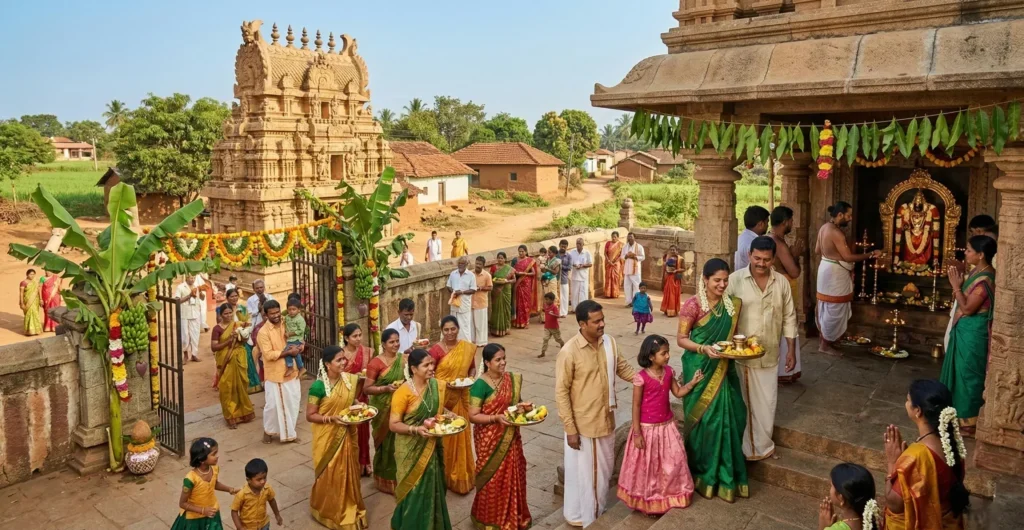
People visiting temple during festival

Ugadi reminds us that every ending carries the seed of a new beginning.

At ChukkiMane, the festival becomes a celebration of culture, community, and the timeless rhythm of nature.

A Festival of Renewal and Gratitude

From Ugadi Pachadi to festive meals prepared with seasonal ingredients, the festival reflects the wisdom of traditional living. Celebrating Ugadi at ChukkiMane reconnects us with food, culture, and nature in the most meaningful way.

Frequently Asked Questions

1. What does Ugadi signify?

Ugadi marks the beginning of the Hindu New Year and symbolizes renewal, prosperity, and hope.

2. Why is neem and jaggery eaten on Ugadi?

The mixture represents the sweet and bitter experiences of life, reminding people to accept all phases with balance.

3. Which states celebrate Ugadi?

It is widely celebrated in Karnataka, Andhra Pradesh, and Telangana.

4. What is Ugadi Pachadi?

A traditional dish combining six flavors that symbolize the various emotions of life.

5. Why is Ugadi celebrated in spring?

The festival aligns with the beginning of the Chaitra month and the arrival of spring in the Hindu lunar calendar.