Recognized by the Department of Karnataka Tourism  Rural Tourism Enterprise
Rural Tourism Enterprise

 Rural Tourism Enterprise
The days spent swinging on Banyan roots, hunting for fallen mangoes, or listening to stories under the cool shade of a massive tree?
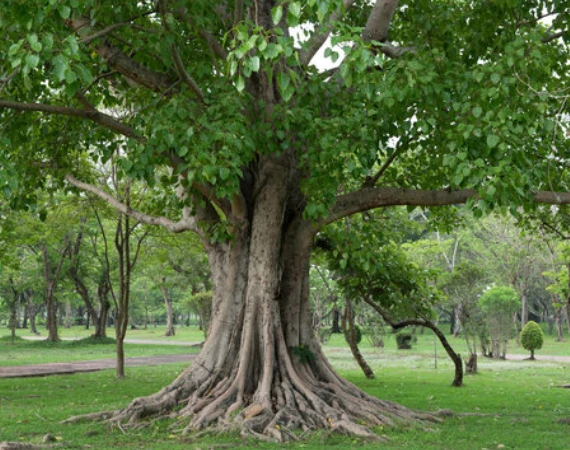
Remember the Ashwath Katte in old villages? The Peepal tree was always at the center, a place where elders gathered to settle disputes or just share the day's news.
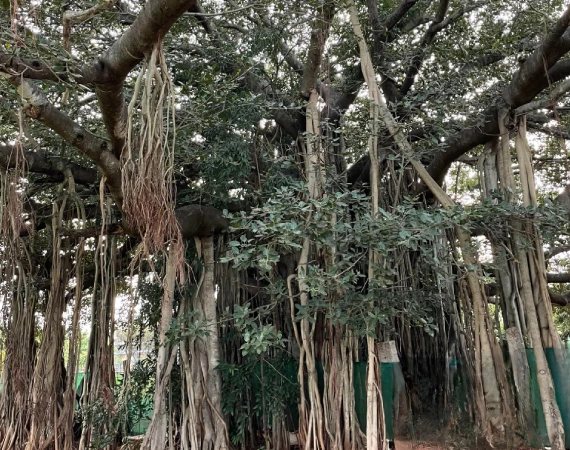
For many of us, this tree was the ultimate natural gym. Its hanging aerial roots were swings, and its massive canopy was a fortress against the sun.
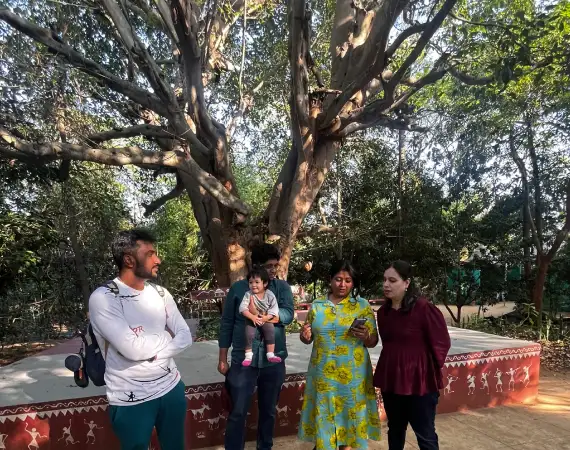
Often mistaken for its cousins, the Basari is the unsung hero of rural roads. Travelers would plan their journeys to stop specifically under a Basari tree.
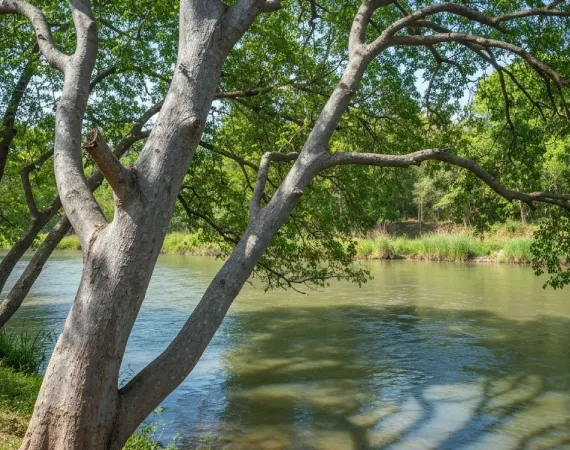
You might recognize this tree by its smooth, grey, unparalleled bark. It stands tall and resilient, symbolizing strength and emotional courage.
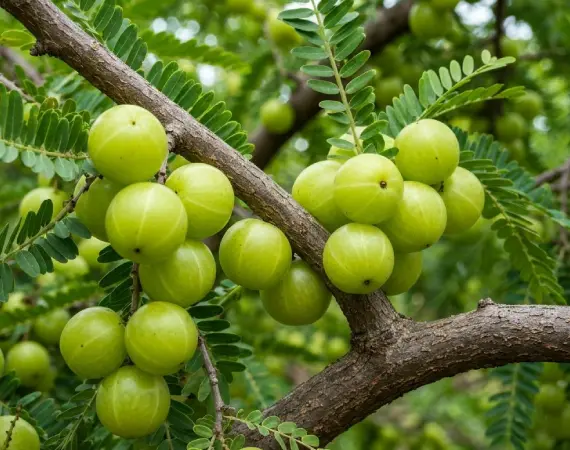
Remember making a face when you bit into a raw Amla, only to drink water immediately after to feel the sudden, magical sweetness?
This is the tree deeply connected to the divine. In every village temple, the three-leaf cluster (Bilva Patre) is offered to Lord Shiva.
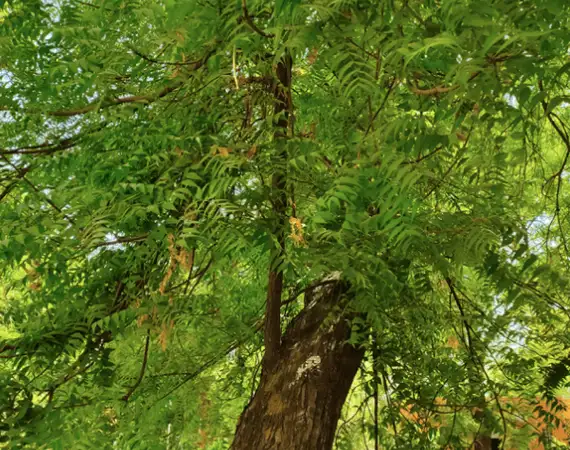
From the bitter Bevu-Bella on Ugadi to leaves in hot bathing water, the Neem has been the ultimate healer in Indian homes.
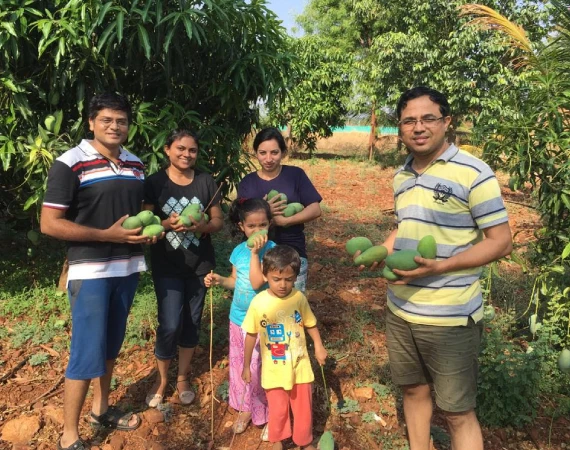
Nothing screams 'childhood summer holidays' like the smell of a mango tree. Whether throwing stones or waiting for ripe fruit, this tree is pure joy.
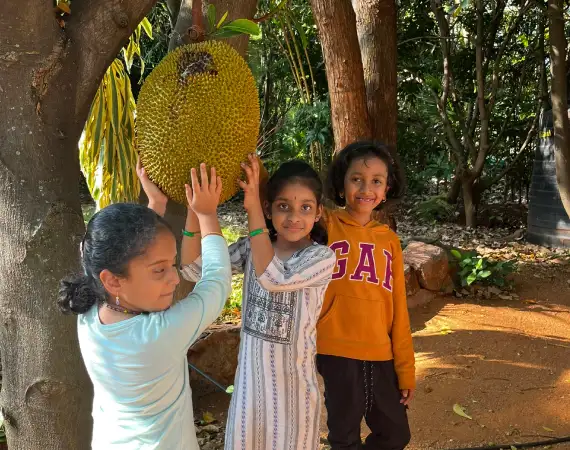
Every traditional home had one in the backyard. The sticky gum, the giant fruit, and the delicious seeds roasted on a coal fire.
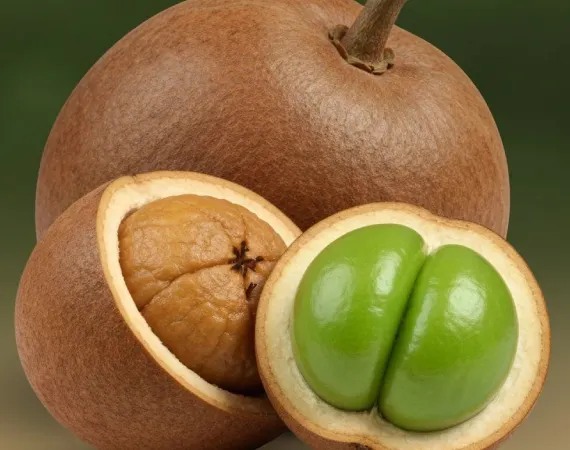
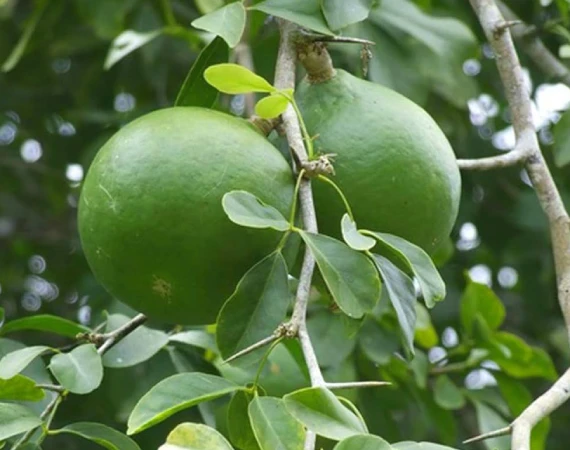
Not to be confused with sacred Bilva! This is the fun, edible one with the rock-hard shell. Remember trying to crack it open?
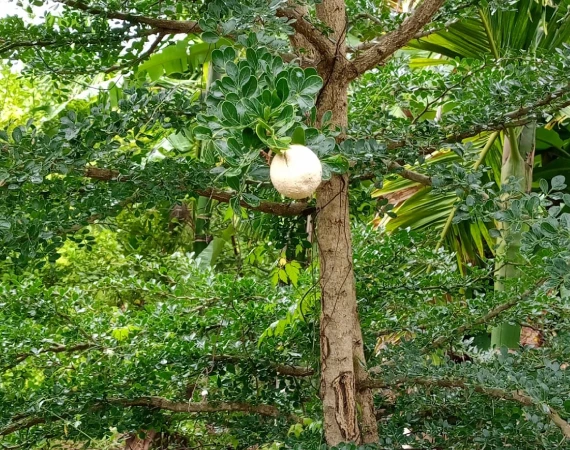
In our culture, this is the true Kalpavriksha—the tree that gives everything. From the thatch on the roof to the oil in our hair and the chutney on our plate, no village home functions without it. Seeing a tall coconut tree swaying in the breeze is the ultimate sign of 'home.'
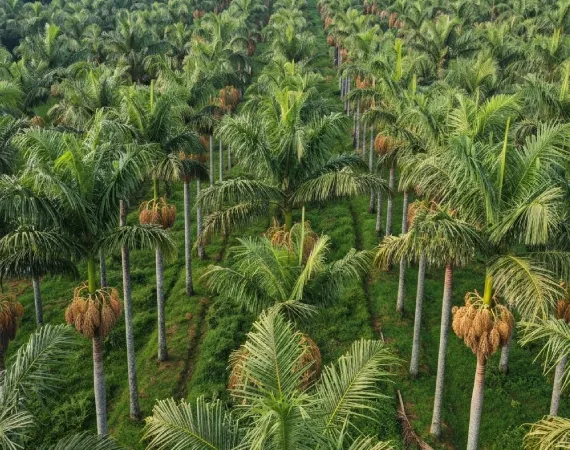
If you have roots in the Malnad region, the sight of these slender, tall trees is pure nostalgia. The Areca nut is the heart of Indian hospitality. No wedding, festival, or guest visit is complete without the offering of Tambula (betel leaf and nut).
This tree holds the funniest childhood memory: showing off your purple-stained tongue to your friends! We would wait for the monsoons, shake the branches, and collect the fallen purple fruit that tasted sweet, sour, and astringent all at once.
If the Coconut tree is for daily needs, the Teak tree is the 'Fixed Deposit' of the village. Our grandfathers planted these trees with a vision—not for themselves, but for their grandchildren. Walking past a Teak tree reminds us of the grand ancestral homes of Malnad, where the pillars and heavy doors have stood strong for hundreds of years.
You are not alone! It's a common confusion.
Only if the caretaker confirms it is safe, comfortable and respectful for the animal.
Not at all. This is a gentle, flat walk suitable for everyone—from toddlers to grandparents. It's about "slow travel," not burning calories.
While you can walk alone, we highly recommend our storyteller guide. They don't just give you botanical names; they tell you the folklore, the grandmother's remedies, and the hidden stories behind every tree.
If they are in season and ripe, absolutely! But please ask your guide first—some fruits need to be washed or prepared (like the Wood Apple) before eating.
Come, let the trees tell you their stories. Book your stay at ChukkiMane and step back into the embrace of nature.
Meet the trees. Relive the memories.