
facebook
  • ChukkiMane
  • No Comments
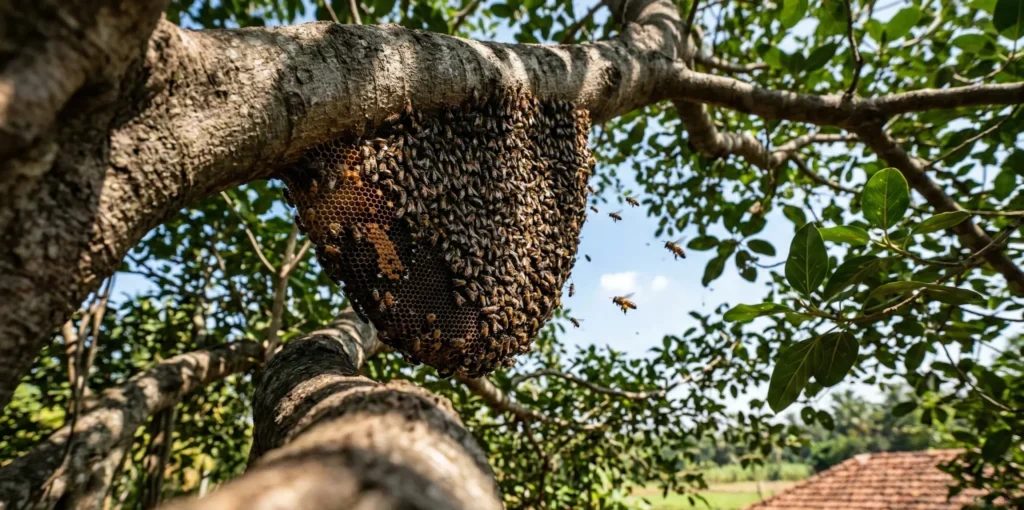
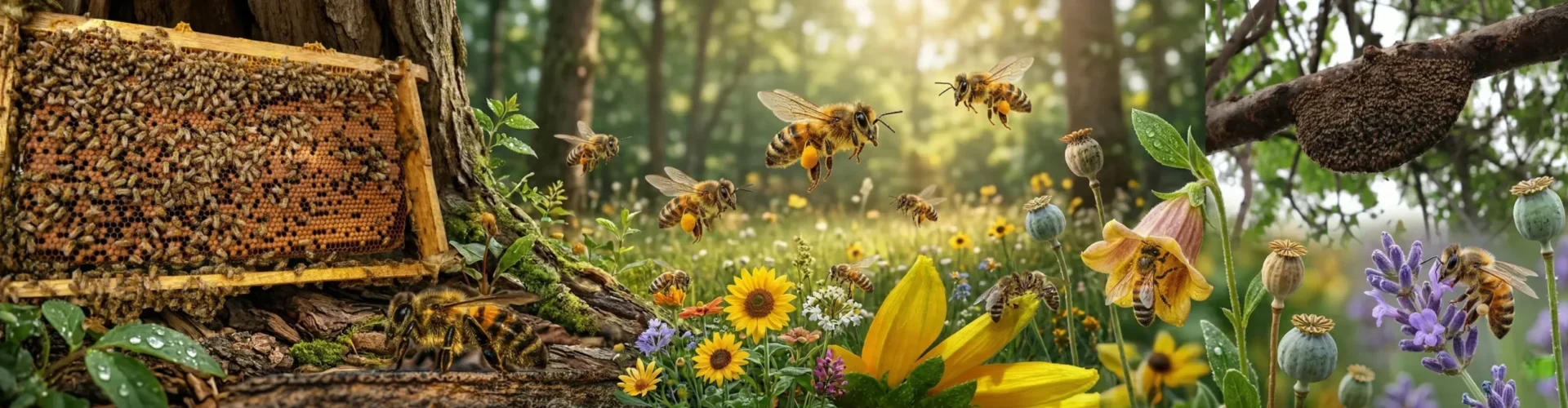
Rock Honey Bees around Chukkimane

Do You Know How Important Bees Are at ChukkiMane

Types of bees and their importance

Do You Know How Important Bees Are at ChukkiMane

ChukkiMane, Karnataka
In the lush landscapes surrounding ChukkiMane, where the Cauvery River nourishes forests, farms, and flowering trees, a quiet workforce moves tirelessly from bloom to bloom. Bees.
Small in size yet vast in impact, bees are among the most important species sustaining agriculture, biodiversity, and ecological balance in southern Karnataka. Around the Cauvery river basin, their presence ensures that trees fruit, crops flourish, forests regenerate, and life continues in harmony. Understanding bees is understanding the invisible foundation of nature itself.

Types of Bees Found near ChukkiMane Ecosystem

The southern part of India, especially Karnataka’s river basin ecosystems, supports several native bee species.

1. Indian Honey Bee (Apis cerana indica)

  • Commonly domesticated

  • Medium-sized colonies

  • Excellent pollinators of fruit crops and vegetables

  • Produce high-quality medicinal honey

These bees are well adapted to tropical climates and are vital for small-scale farming.

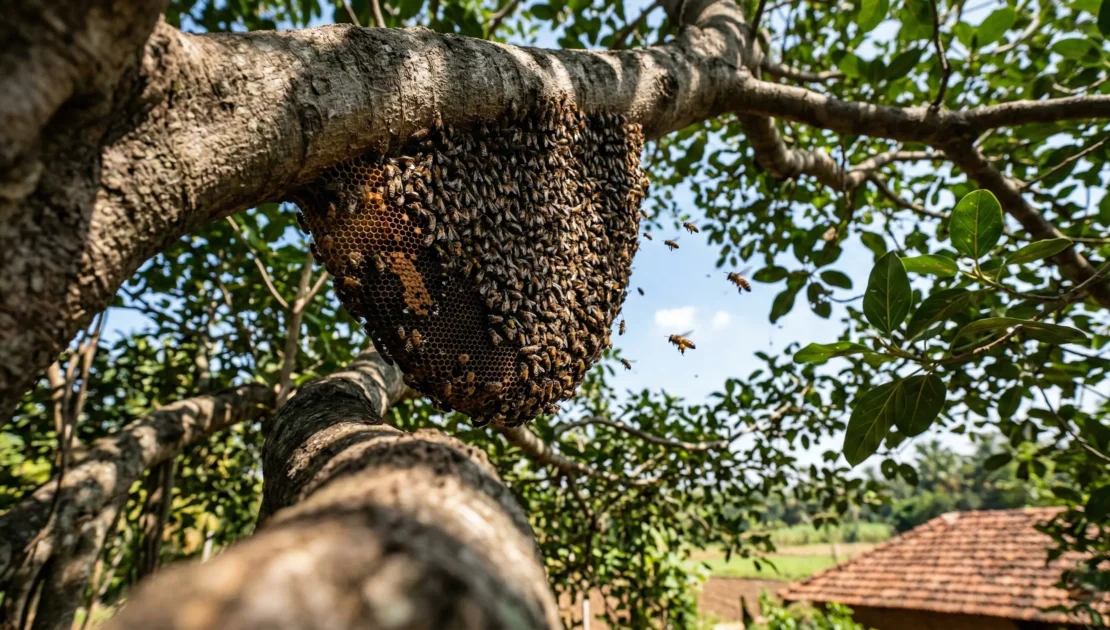
2. Rock Bee (Apis dorsata)

  • Large wild bee species

  • Build massive open hives on tall trees and cliffs

  • Produce large quantities of forest honey

  • Critical pollinators for wild forest trees

Rock bees are essential for forest biodiversity in the Cauvery basin.

3. Little Bee (Apis florea)

  • Smaller colonies

  • Build small exposed combs

  • Highly active pollinators of shrubs and wild plants

  • Important for biodiversity in rural landscapes

4. Stingless Bees (Trigona species)

  • Very small, non-aggressive

  • Produce small quantities of highly medicinal honey

  • Exceptional pollinators of native flowering plants

  • Important in agroforestry systems

Stingless bees are especially valuable in natural farming and biodiversity conservation.
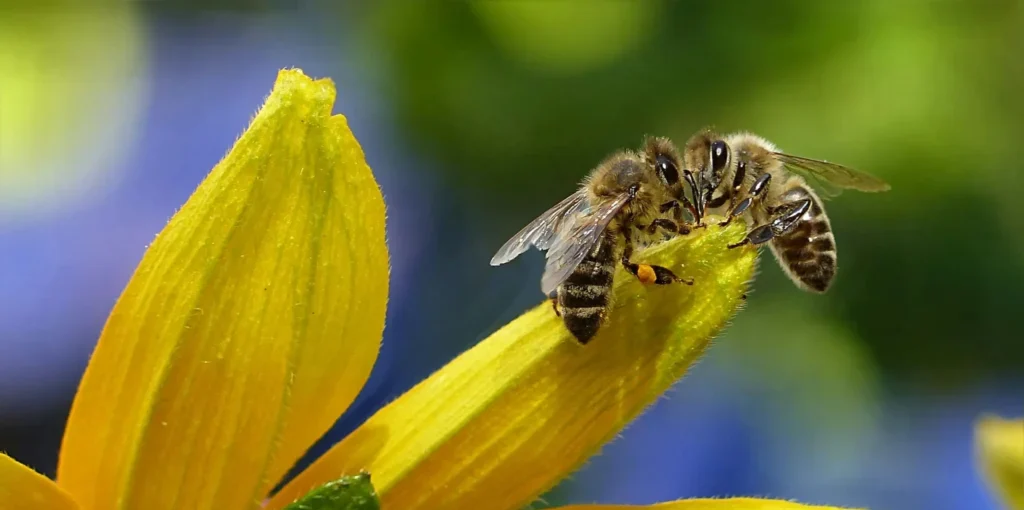
Honey Bees on a flower

Importance of Bees in Agriculture

Bees are natural pollinators. Pollination is the process where pollen is transferred between flowers, allowing plants to produce fruits and seeds.
Without bees:

  • Fruit trees would produce fewer fruits

  • Vegetable yields would drop

  • Oilseeds and pulses would decline

  • Crop quality would reduce

In the Cauvery basin region, bees support crops such as:

  • Coconut

  • Arecanut

  • Mango

  • Banana

  • Vegetables

  • Millets

Bees increase crop yield, improve fruit size, and enhance seed production — all naturally, without chemicals.Farmers may not always see them, but bees are working partners in agriculture.

Rock Honey Bees around Chukkimane

Ecological Importance of Bees

Forest Regeneration & Biodiversity

Bees pollinate forest trees, shrubs, wildflowers, and medicinal plants, ensuring natural regeneration. Their work sustains wildlife food chains and preserves biodiversity across the Cauvery river basin.

River Health & Soil Protection

By pollinating flowering plants along riverbanks, bees help prevent soil erosion and support water retention. Healthy plant growth strengthens the stability of the Cauvery basin ecosystem.

Indicators of Environmental Balance

Bees thrive only in clean, balanced environments. Their presence signals low pollution, healthy flowering plants, and sustainable farming practices across southern Karnataka.

What Happens If Bees Disappear?

If bee populations decline, the consequences are severe.

  • Reduced crop yields

  • Loss of fruit-bearing trees

  • Decline in wildlife food sources

  • Weakening of biodiversity

  • Increased food insecurity

The ecological chain begins to break.

Plants fail to reproduce effectively.
Animals lose food.
Soil health declines.
Ecosystems become fragile.

“Bees are not just honey producers. They are ecosystem stabilizers. Protecting bees means protecting food, forests, and future generations”
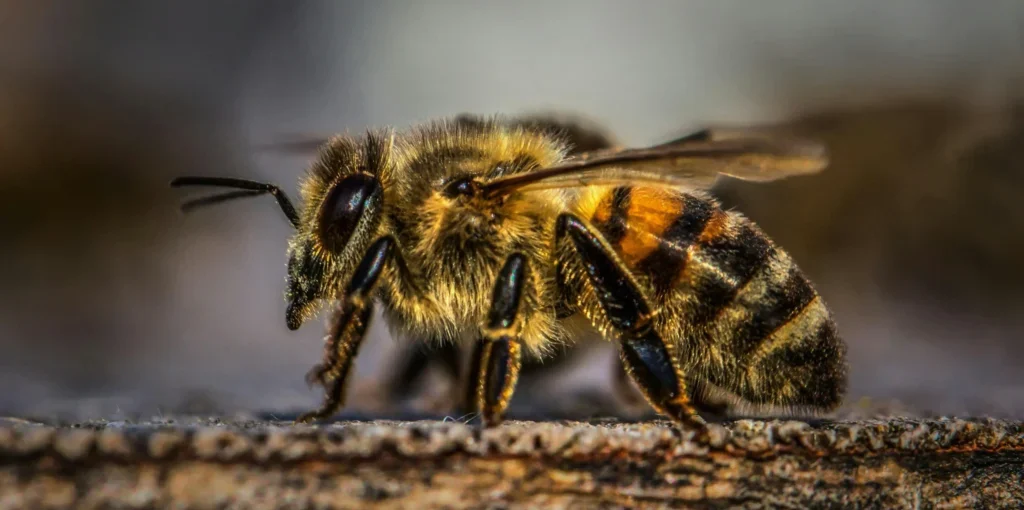
Close up shot of a Honey Bee

Health Benefits of Honey from Native Bees

Honey produced by native bees in Karnataka offers significant health benefits.
Raw Forest Honey (Rock Bee)
Rich in antioxidants, Supports immunity, Anti-inflammatory properties, Helps in respiratory wellness.
Indian Honey Bee Honey
Easily digestible energy source, Natural antibacterial properties, Supports wound healing.
Stingless Bee Honey
Highly medicinal, Used in traditional healing systems, Supports gut health, Strong antimicrobial benefits.
Unlike processed sugar, natural honey provides enzymes, minerals, and beneficial compounds that support overall wellness.
At places like ChukkiMane, understanding bees deepens appreciation for natural living.
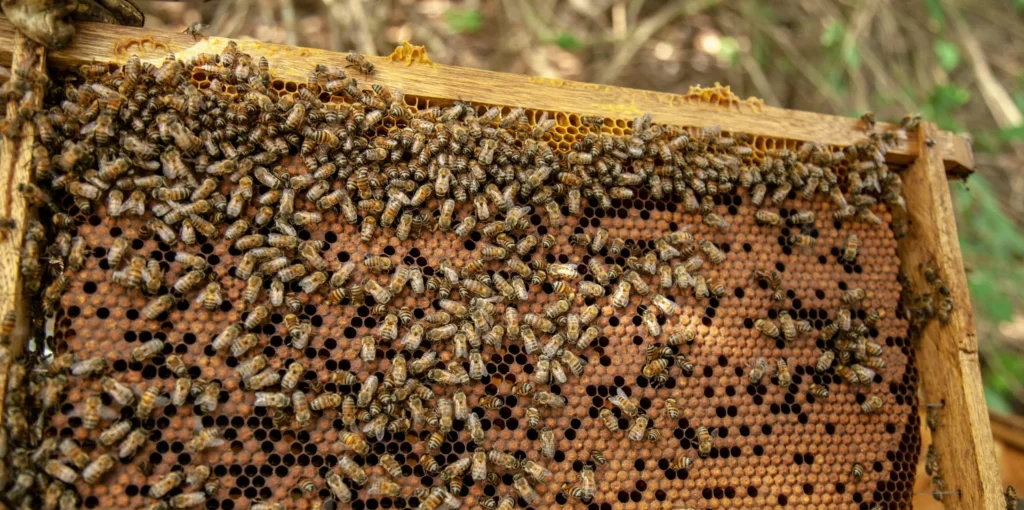
Pure Honey extraction from bee hive

Tiny wings.
Silent labor.
Endless impact.

In the flowering fields and forest edges of the Cauvery basin, bees are the invisible architects of abundance.

At ChukkiMane, their gentle hum is the sound of ecological harmony.

The Invisible Workforce of Our Region

Bees may be small, but their role in sustaining forests, riverbanks, and farmlands is immense. In the Cauvery basin ecosystem, they enable flowering plants to reproduce, protect soil stability, and support the intricate web of life that keeps nature thriving.

FAQs — Bees of the Cauvery Basin

Why are bees important for agriculture?
They pollinate crops, increasing yield, fruit size, and seed production naturally.

Which bees are found near the Cauvery River?
Indian Honey Bees, Rock Bees, Little Bees, and Stingless Bees.

Is forest honey healthier?
Yes, it contains higher antioxidant levels and medicinal properties.

Do bees help forests?
Yes, they pollinate wild plants and trees, ensuring forest regeneration.

What happens if bees disappear?
Crop production declines, biodiversity weakens, and ecosystems become unstable.