

facebook
  • ChukkiMane
  • No Comments
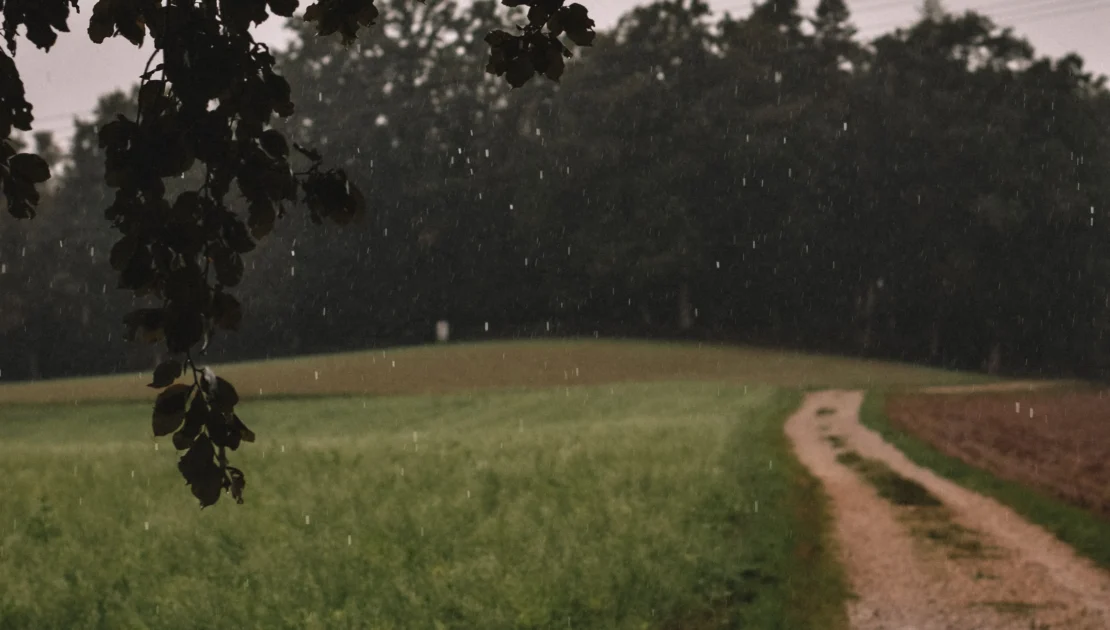
Rain falling over lush countryside at ChukkiMane

The Fresh Smell of Rain & the Fields of ChukkiMane

Raindrops creating ripples on rain-soaked ground

The Fresh Smell of Rain & the Fields of ChukkiMane

ChukkiMane, Karnataka
The first drops of rain fall gently on the dry earth...
Within moments, the air fills with a fragrance so familiar that almost everyone pauses to breathe it in. It feels calming, nostalgic, and strangely magical. For many, it brings back memories of childhood monsoons, walks through villages, and the joy of watching nature come alive. At ChukkiMane, this experience is even more special. Surrounded by fertile farmlands, traditional crops, and the lush landscapes near Shivanasamudra, the arrival of rain transforms the entire countryside. The scent isn't just pleasant—it's nature's way of announcing a new beginning. But have you ever wondered why rain has a smell at all?

Nature's Hidden Perfume: The Science Behind Petrichor

Scientists call this beautiful earthy fragrance Petrichor—a term derived from Greek words meaning “stone” and “the fluid of the gods.”

During long dry periods, certain plants release natural oils into the soil. At the same time, tiny microorganisms called Actinomycetes produce a compound known as Geosmin as they break down organic matter.

When the first raindrops hit the ground, millions of microscopic air bubbles burst, releasing these natural compounds into the atmosphere. That distinctive earthy aroma you breathe is a combination of plant oils and Geosmin carried by the fresh rain.

At ChukkiMane, where the landscape is rich with healthy soil, trees, crops, and open countryside, this natural fragrance becomes even more intense—creating one of the most memorable experiences of the monsoon season.
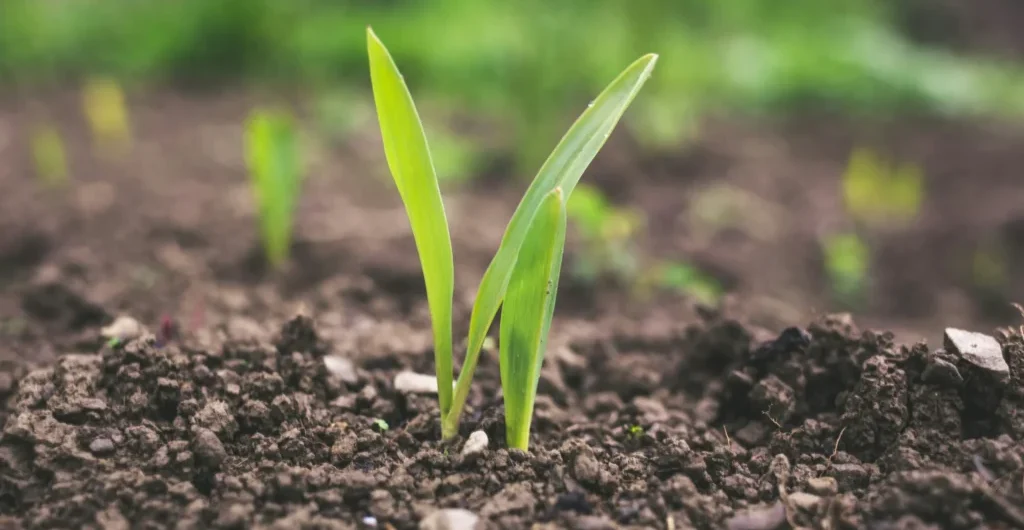
Fresh green seedling emerging from healthy soil

The Monsoon's Most Beautiful Welcome

Before the waterfalls roar and the fields burst into shades of green, the rain announces its arrival with the unforgettable scent of fresh earth. It’s a fragrance that speaks of healthy soil, flourishing crops, and nature preparing for another season of life. At ChukkiMane, this simple moment becomes one of the most memorable parts of the monsoon experience.

As the countryside awakens, every raindrop nourishes the land, every breeze carries the soothing aroma of petrichor, and every walk through the rain-kissed fields becomes a reminder of nature’s incredible ability to renew itself. It’s an experience that stays with you long after the rain has passed.

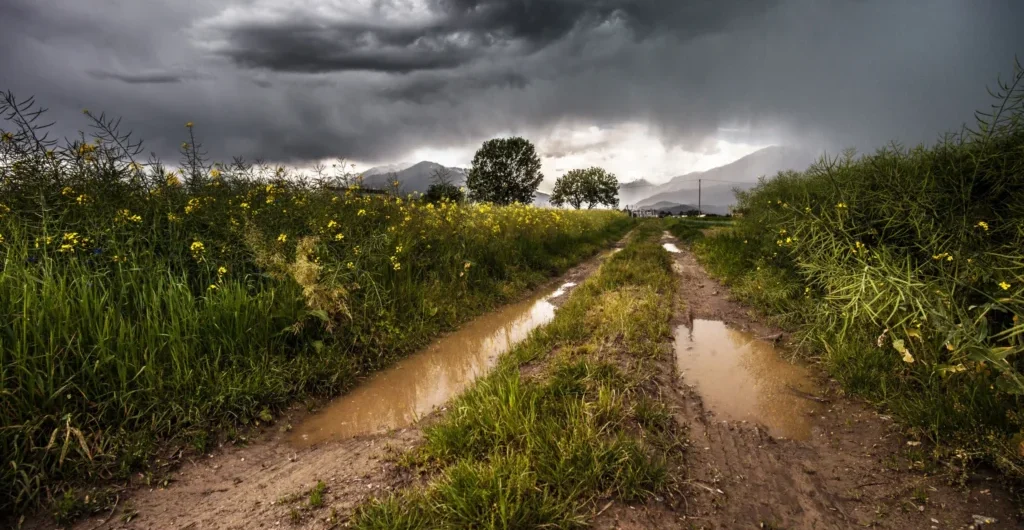
Storm clouds over green rural farmland

Why Monsoon Makes ChukkiMane's Landscape Come Alive

Healthy Living Soil

Rich microorganisms create the signature petrichor aroma.

Moist soil supports healthy crops and biodiversity.

Nutrient-rich earth prepares fields for a new growing season.

Thriving Traditional Crops

Oilseeds begin fresh growth after the first rains.

Legumes absorb moisture for healthy germination.

Millets and seasonal crops flourish in rain-fed fields.

A Feast for Nature Lovers

Birds become more active after rainfall.

Butterflies, dragonflies, and insects return.

The countryside turns lush, vibrant, and refreshing.

The Crops That Welcome the Rain

Monsoon is more than beautiful scenery—it marks the beginning of life for countless crops that sustain rural communities.

Around ChukkiMane, visitors can witness fields preparing for cultivation with crops such as:

  • Millets that thrive with minimal water
  • Groundnut (Peanut) fields beginning new growth
  • Sesame (Til) with its delicate flowering plants
  • Sunflower preparing for vibrant blooms
  • Horse Gram and Green Gram enriching the soil naturally
  • Black Gram, Red Gram, and other traditional legumes
  • Seasonal vegetables growing alongside mixed farming practices
“Every shower nourishes these crops, supporting local farmers while preserving Karnataka's rich agricultural traditions.”
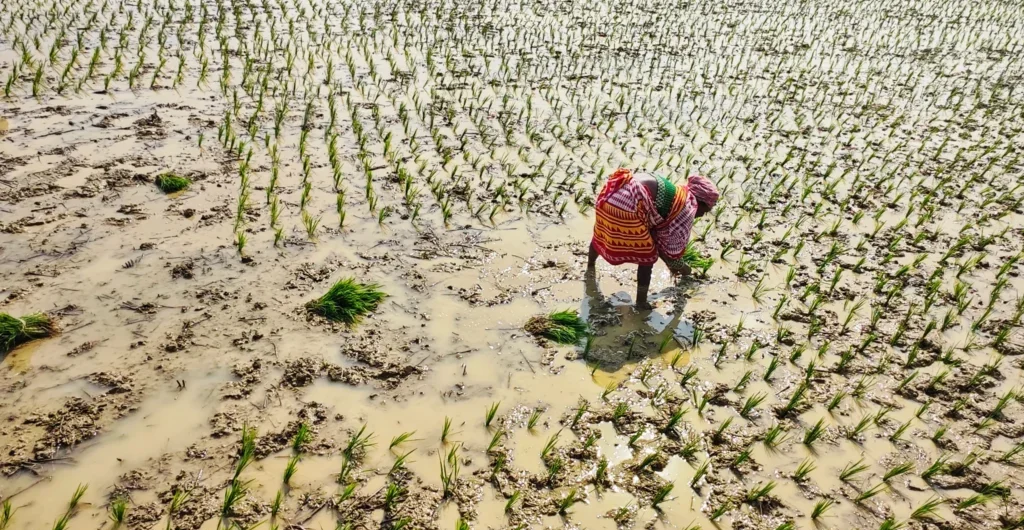
Farmer planting crops in a monsoon field

Experience the First Rain at ChukkiMane

Some places let you watch the rain. At ChukkiMane, you experience it with all your senses.
  • You hear raindrops dancing on leaves...
  • You see mist rising over green fields...
  • You breathe in the unmistakable fragrance of petrichor...
  • And you witness crops, birds, butterflies, and forests awakening together.
  • It reminds us that the most beautiful experiences are often the simplest—standing in nature, breathing deeply, and appreciating the quiet miracle happening beneath our feet.
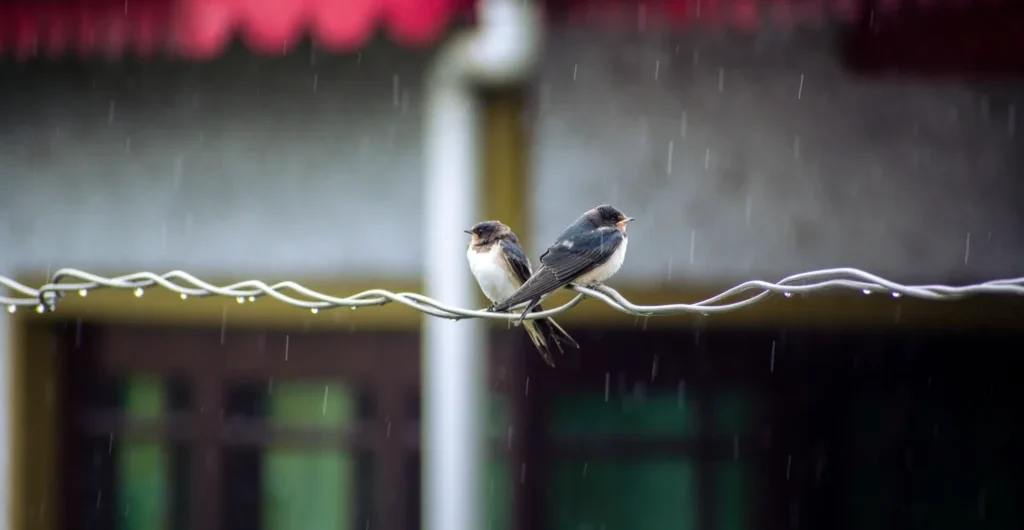
    Birds resting peacefully during the monsoon rain

    Come during the monsoon, and you'll discover that the smell of rain is more than just a scent.

    It’s the smell of life beginning again.

    Breathe in Nature's First Welcome

    Before the waterfalls flow and the fields turn lush green, the rain introduces itself with the refreshing scent of living soil. Discover the magic of petrichor at ChukkiMane, where every monsoon brings nature's most comforting fragrance to life.

    Frequently Asked Questions

    1. What is the fresh smell after rain called?

    The pleasant earthy smell after the first rain is called Petrichor.

    2. What causes petrichor?

    It is created when rain releases natural plant oils and a compound called Geosmin, produced by beneficial soil bacteria.

    3. Why is the smell stronger after the first rain?

    After a long dry period, plant oils and Geosmin accumulate in the soil. The first rainfall releases them into the air.

    4. Which crops grow well during the monsoon around ChukkiMane?

    Millets, oilseeds, legumes, groundnuts, sesame, horse gram, green gram, black gram, and seasonal vegetables thrive during the rainy season.

    5. Why is healthy soil important for farming?

    Healthy soil supports beneficial microorganisms, improves crop growth, retains moisture, and enhances biodiversity.

    6. Can visitors experience petrichor at ChukkiMane?

    Yes. During the monsoon, guests can enjoy the earthy fragrance while exploring the surrounding farmlands, forests, and natural landscapes.

    7. Why does petrichor make people feel nostalgic?

    Studies suggest that the scent is strongly associated with memories of nature, childhood, and seasonal change, making it emotionally comforting.