
facebook
  • ChukkiMane
  • No Comments
Moringa health benefits

Moringa — The Miracle Tree Growing in Our Backyards

Moringa Tree and it's uses

Moringa — The Miracle Tree Growing in Our Backyards

ChukkiMane, Karnataka
Across villages and farms in southern India, one tree quietly stands out for its extraordinary nutritional value and versatility — the Moringa tree, commonly known as the drumstick tree. For generations, this humble tree has been a part of Indian kitchens, traditional medicine, and rural agriculture.
From its nutrient-rich leaves to its flavorful drumsticks used in cooking, almost every part of the moringa tree offers health benefits. In many cultures it is often called the “Miracle Tree” because of its powerful nutritional and medicinal properties. At places like ChukkiMane, moringa reminds us that some of the most valuable superfoods grow naturally around us, requiring very little care yet offering immense benefits to health and nutrition.

What is the Moringa Tree?

Moringa, scientifically known as Moringa oleifera, is a fast-growing tree native to the Indian subcontinent. It thrives in warm climates and is commonly grown in home gardens, farms, and rural landscapes across India.

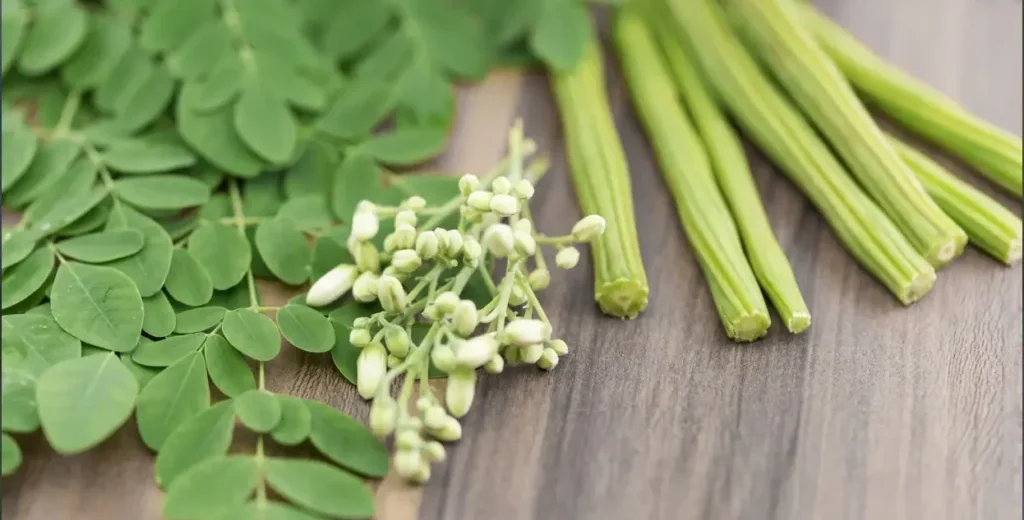
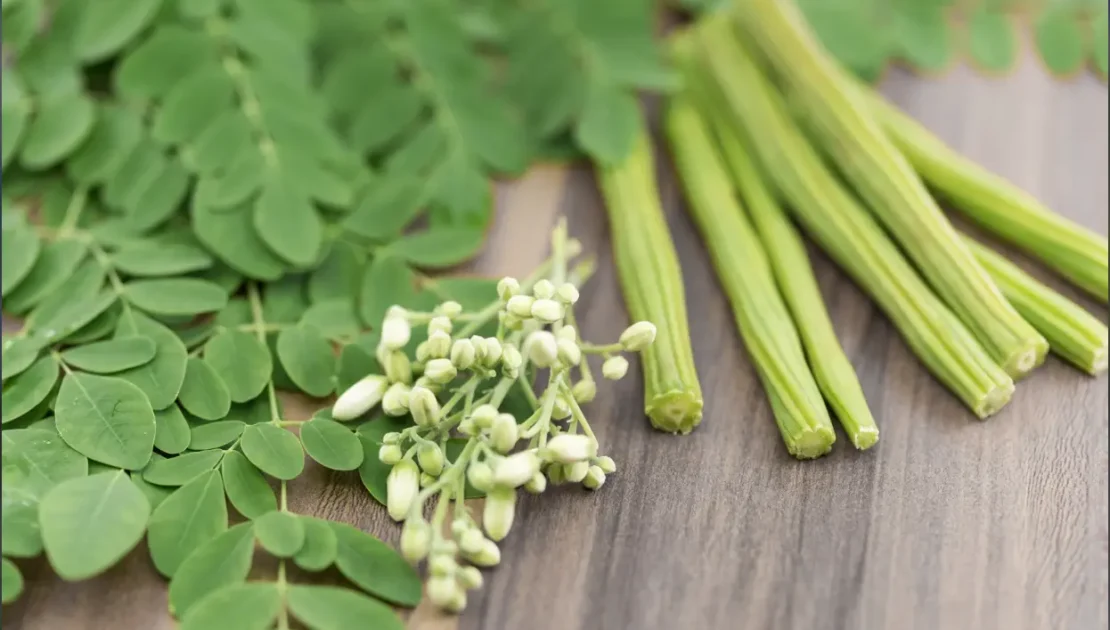
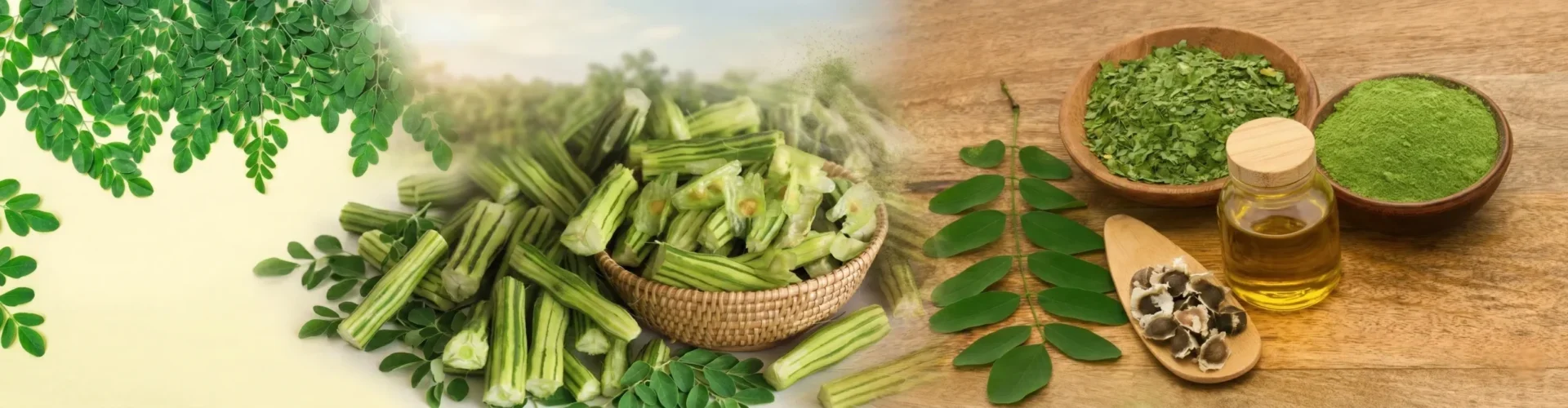
The tree is easily recognizable by its long drumstick-shaped pods, delicate green leaves, and fragrant white flowers. Every part of the tree is considered useful — including the leaves, pods, flowers, and seeds.

In traditional Indian households, moringa trees are often planted in backyard gardens because they grow quickly, require minimal maintenance, and provide a steady supply of nutritious leaves and pods throughout the year.

This accessibility makes moringa not just a plant, but a sustainable food source that supports rural nutrition and food security.
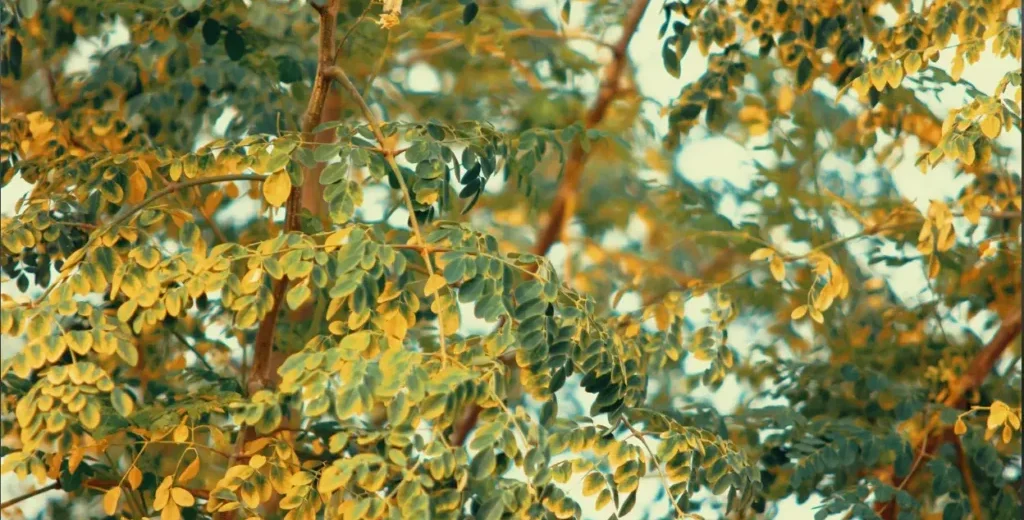
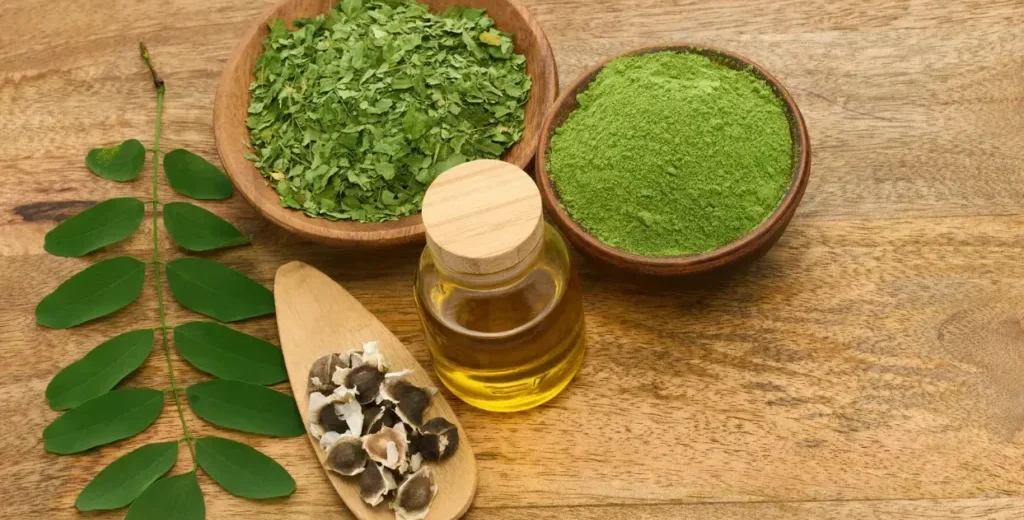
Ripen Moringa leaves on a tree

Nutritional Powerhouse: Health Benefits of Moringa Leaves

Moringa leaves are packed with essential nutrients that support overall health and well-being.

They contain:

• Vitamin A for healthy vision
• Vitamin C for immunity
• Calcium for strong bones
• Iron for blood health
• Antioxidants that reduce inflammation

Because of this dense nutritional profile, moringa leaves are often referred to as a natural multivitamin.

Regular consumption of moringa leaves may help support:

• Improved immunity
• Better digestion
• Healthy blood sugar balance
• Reduced inflammation
• Increased energy levels

In many traditional health systems, moringa leaves are valued not only as food but also as a natural remedy that strengthens the body over time.

Moringa benefits

Moringa in Indian Kitchens — Tradition, Flavor & Nutrition

Drumstick in Traditional Dishes

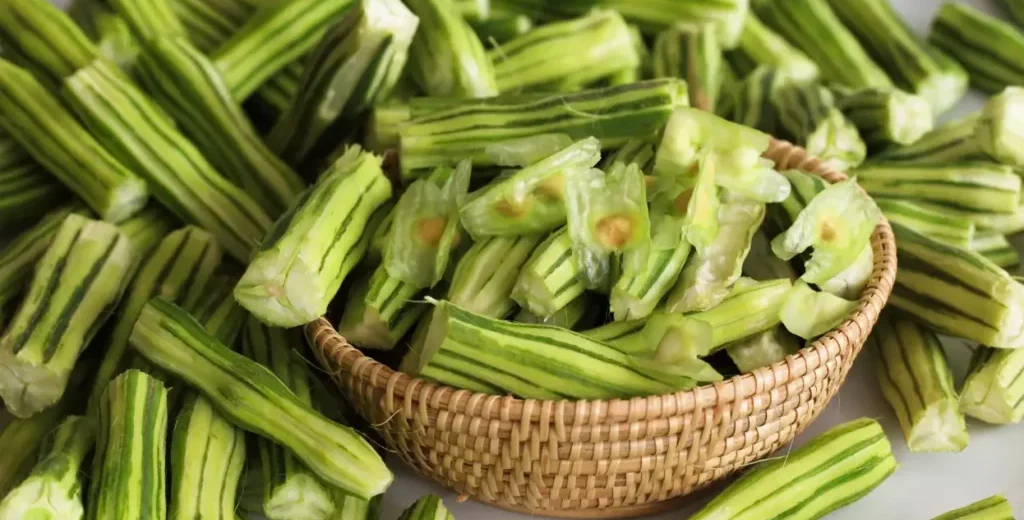
Drumstick pods are widely used in Indian cooking, especially in dishes like sambar and curries. Their unique flavor and soft texture enrich lentil stews and tamarind-based gravies across South Indian cuisine.

Nutritious Moringa Leaves

Moringa leaves are commonly cooked with lentils or sautéed with spices and coconut. These nutrient-rich greens provide essential vitamins and minerals while adding flavor to traditional Indian meals.

Versatile Culinary Uses

In many homes, moringa leaves are dried and powdered for easy use in soups, curries, and health drinks. These traditional cooking methods highlight the deep connection between nutrition and everyday Indian cuisine.

Medicinal Uses of Moringa in Traditional Knowledge

For centuries, moringa has been valued in traditional medicine systems such as Ayurveda and folk remedies.

Different parts of the tree have been used for various health purposes.

Examples include:

• Leaves used to boost immunity and energy
• Seeds used for water purification
• Flowers used in herbal preparations
• Bark and roots used in traditional remedies

Modern research continues to study moringa for its antioxidant, anti-inflammatory, and antimicrobial properties.

“This blend of ancient wisdom and modern science highlights how traditional plants like moringa continue to play an important role in natural health practices”
Moringa health benefits

Moringa and Sustainable Living

Beyond its health benefits, moringa is also a highly sustainable plant. It grows well in dry climates, requires very little water, and produces leaves quickly after pruning. This makes it an ideal tree for sustainable agriculture and home gardening.
Benefits of growing moringa include:
• Continuous supply of nutritious leaves
• Natural shade and soil enrichment
• Support for biodiversity and pollinators
• Low-maintenance farming
Planting moringa trees in home gardens can help families access fresh, nutrient-rich food while supporting a more resilient and sustainable food system. At ChukkiMane, trees like moringa remind us that healthy living often begins with simple, locally grown foods that grow naturally around us.
Chopped Drumstick for cooking

Local trees offer natural nourishment

Moringa reminds us that nature has already provided powerful solutions for health, nutrition, and sustainability — if we learn to recognize and value them.

The Miracle Tree in Our Backyards

From nutrient-packed leaves to drumsticks used in traditional dishes, moringa has supported health and nutrition in Indian kitchens for generations. Experience how this remarkable tree connects food, farming, and natural living.

Frequently Asked Questions

1. Why is moringa called the miracle tree?

    Because nearly every part of the tree provides nutritional or medicinal benefits.

2. Can moringa leaves be eaten daily?

     Yes, when consumed in moderate amounts, moringa leaves are considered highly nutritious and safe.

3. How are drumstick pods used in cooking?

     They are commonly used in curries, sambars, and soups for their flavor and nutritional value.

4. Is moringa good for immunity?

     Yes, its high vitamin and antioxidant content helps support immune function.

5. Can moringa grow easily at home?

     Yes, the tree grows quickly and requires minimal care, making it suitable for home gardens.